Introduction
A living room without a centerpiece often feels unfinished. The moment you shop coffee table options with intention, everything changes—your seating area suddenly looks grounded, functional, and inviting. It’s amazing how one piece of furniture can shift the entire mood of a room.
Whether you’re decorating a new apartment, upgrading your family lounge, or redesigning a luxury villa, choosing the right table matters more than most people realize. When you shop coffee table collections today, you’re not just buying furniture—you’re investing in style, practicality, and daily comfort. In reality, this small decision shapes how guests experience your home and how you relax every evening.

Table of Contents
Why the Right Coffee Table Matters
How to Shop Coffee Table Options for Your Space
Popular Materials and Their Pros & Cons
Shop Coffee Table Styles: From Minimal to Luxury
Sizing, Placement, and Proportion Rules
Storage, Functionality, and Multi-Purpose Designs
Coffee Table Styling Tips
Budget Guide: From Affordable to Premium Picks
Industry Insights and Market Trends
FAQ
Conclusion
Why the Right Coffee Table Matters
A coffee table is more than a surface for your mug. It anchors your seating layout, balances visual weight, and often becomes the focal point of your living room. According to furniture retail reports, living room furniture accounts for nearly 30–35% of total home furniture spending globally. Within that category, center tables consistently rank among the top five most purchased items.
However, many homeowners rush the process. They shop coffee table designs based only on appearance, overlooking height, proportion, or material durability. The result? A table that looks good online but feels awkward in real life.
In practical terms, your coffee table should:
- Sit approximately 16–18 inches high (close to sofa seat height)
- Be about two-thirds the length of your sofa
- Leave 12–18 inches of walking space around it
These small measurements make a significant difference in comfort and flow.
How to Shop Coffee Table Options for Your Space
Before you shop coffee table collections impulsively, pause and evaluate your space. Ask yourself three simple questions:
- How large is my seating area?
- Do I need storage?
- What’s the overall style of my room?
If you live in a compact apartment, a bulky wooden trunk may overpower the room. On the other hand, a large sectional sofa paired with a tiny glass table can look visually disconnected.
In reality, balance is everything. Designers often recommend sketching a quick floor plan or using painter’s tape to outline dimensions on your floor before purchasing. It sounds simple, but it prevents costly mistakes.
Popular Materials and Their Pros & Cons
When you shop coffee table options, material selection is one of the biggest decisions. Each material brings a different personality and maintenance requirement.

Wood
Solid wood remains the most timeless choice. Oak, walnut, and mango wood are particularly popular.
Pros:
- Durable
- Warm, natural aesthetic
- Long lifespan
Cons: - Heavier
- Can scratch or stain if untreated
Glass
Glass coffee tables create a modern, airy look.
Pros:
- Makes small spaces feel bigger
- Easy to clean
Cons: - Shows fingerprints
- Less family-friendly for homes with kids
Metal
Often used in industrial or contemporary interiors.
Pros:
- Strong and durable
- Sleek appearance
Cons: - Can feel cold or harsh visually
Marble & Stone
Luxury at its finest.
Pros:
- Elegant and high-end
- Unique natural patterns
Cons: - Expensive
- Heavy and fragile
Shop Coffee Table Styles: From Minimal to Luxury
When people shop coffee table styles today, variety is endless. Let’s break down the most popular categories.
Modern Minimalist
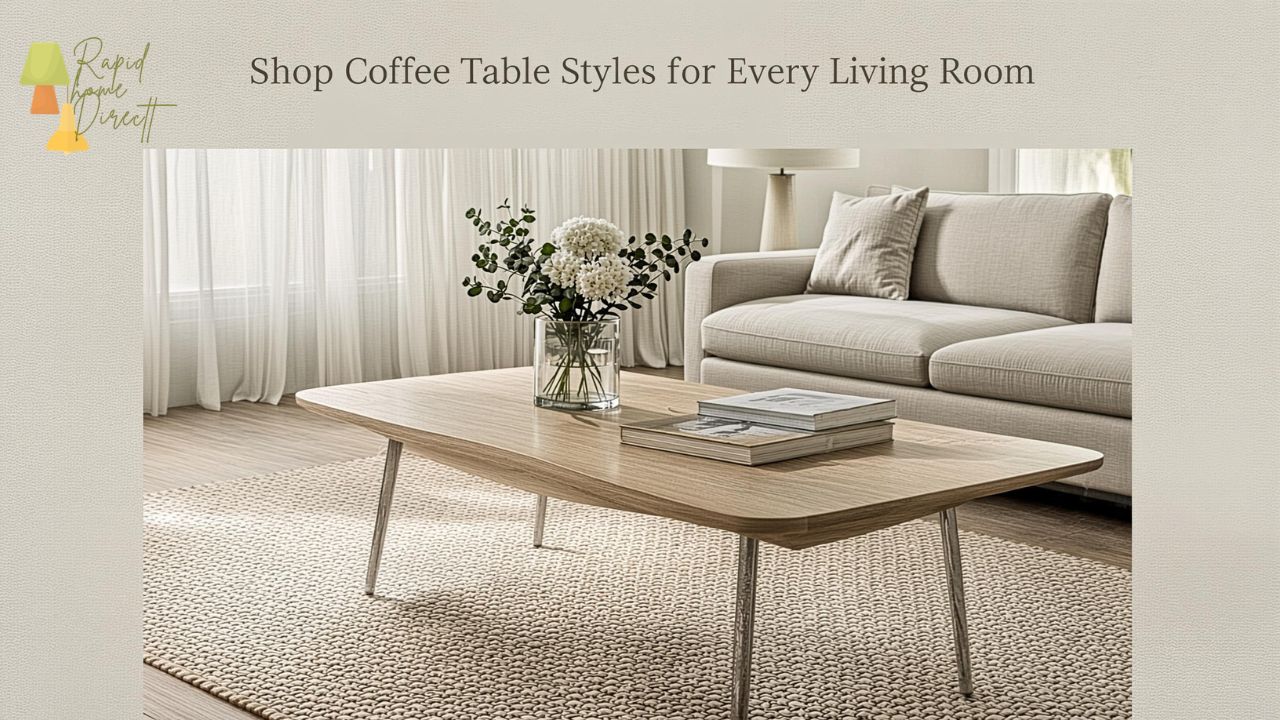
Clean lines, neutral colors, and simple geometry define this category. Ideal for Scandinavian and contemporary homes.
Rustic & Farmhouse
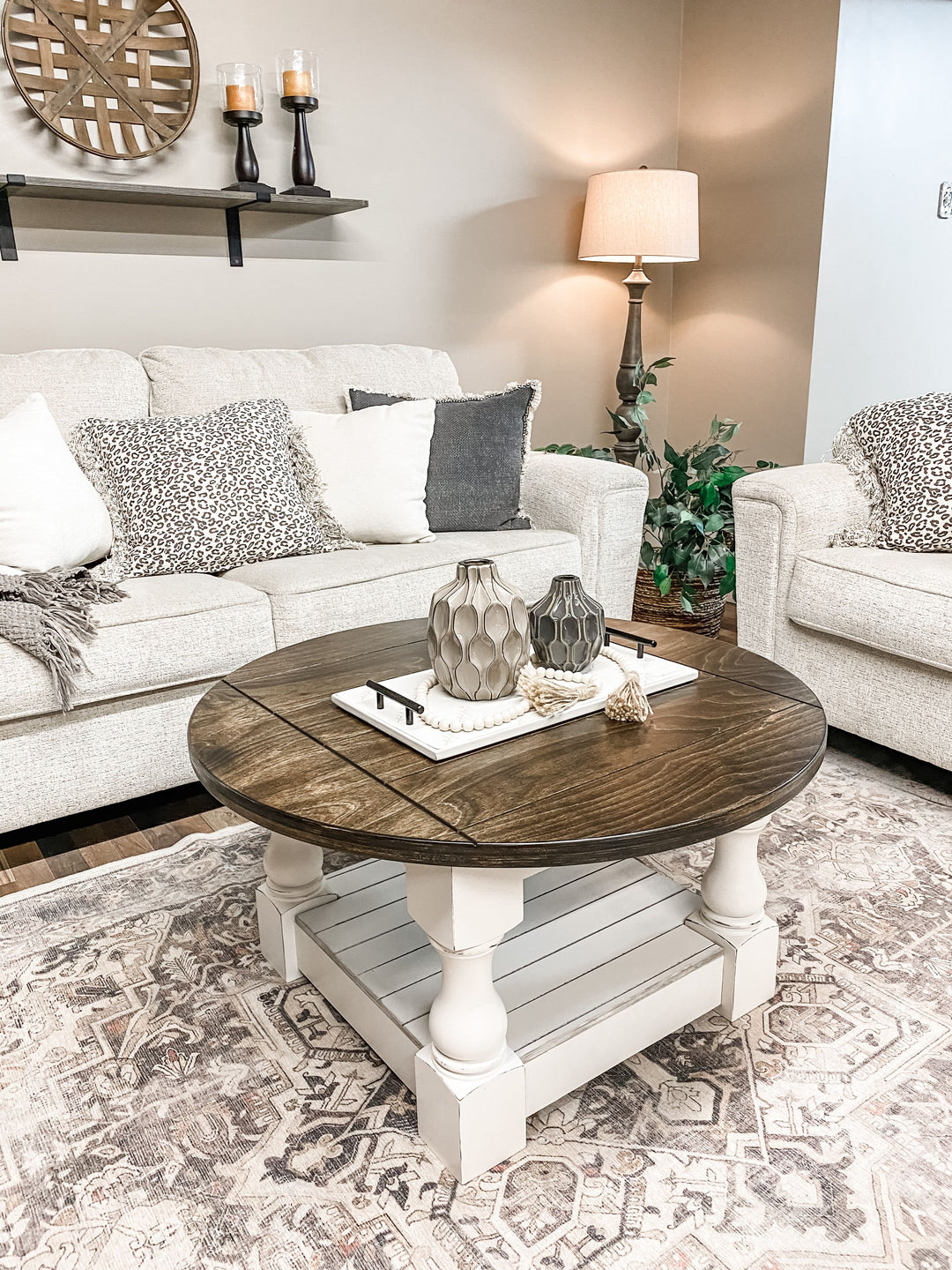
Distressed wood, chunky legs, and vintage charm. Perfect for cozy interiors.
Industrial
Metal frames paired with reclaimed wood. Popular in loft apartments.
Luxury Designer
High-gloss finishes, marble tops, gold accents. These tables often become statement pieces.
Mid-Century Modern
Tapered legs, organic curves, walnut tones—this retro aesthetic has made a strong comeback.
Sizing, Placement, and Proportion Rules
One of the biggest mistakes homeowners make when they shop coffee table products is ignoring proportion.
Here’s a quick reference table:
| Sofa Length | Ideal Coffee Table Length | Ideal Shape |
|---|---|---|
| 60–72 in | 36–48 in | Rectangle |
| 72–90 in | 48–60 in | Rectangle/Oval |
| Sectional | Large square or round | Round/Square |
Round tables work beautifully in tight spaces and homes with children (no sharp corners). Rectangular ones suit traditional layouts.

Storage, Functionality, and Multi-Purpose Designs
Modern living demands flexibility. That’s why many homeowners now shop coffee table models with hidden storage.
Common functional features include:
- Lift-top mechanisms (perfect for laptops)
- Built-in drawers
- Lower shelves
- Nested tables
For small apartments, a lift-top table can double as a work desk. That said, if you rarely use storage, a lighter open-frame table may keep the room visually uncluttered.
Coffee Table Styling Tips
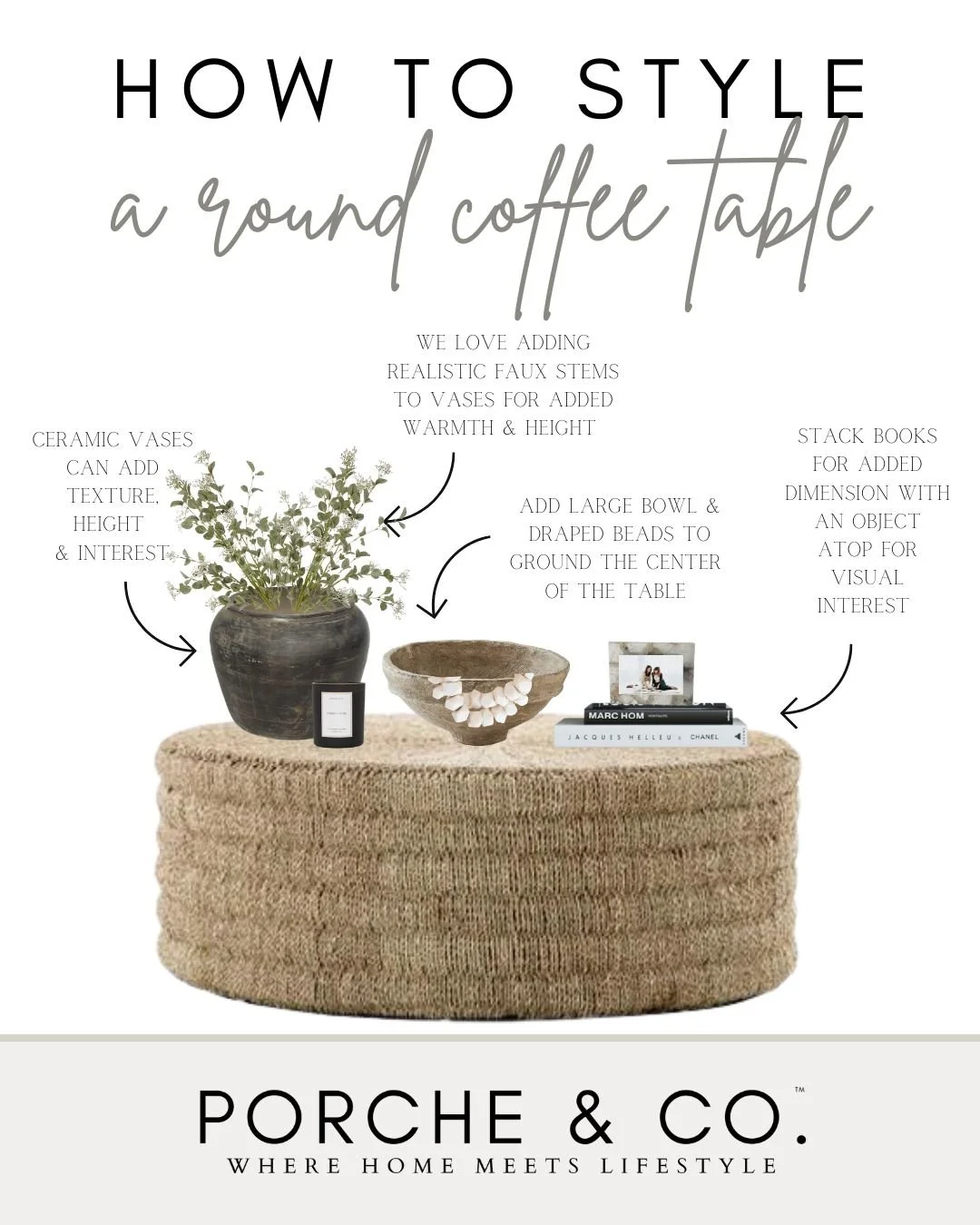
Buying the table is only half the story. Styling makes it shine.
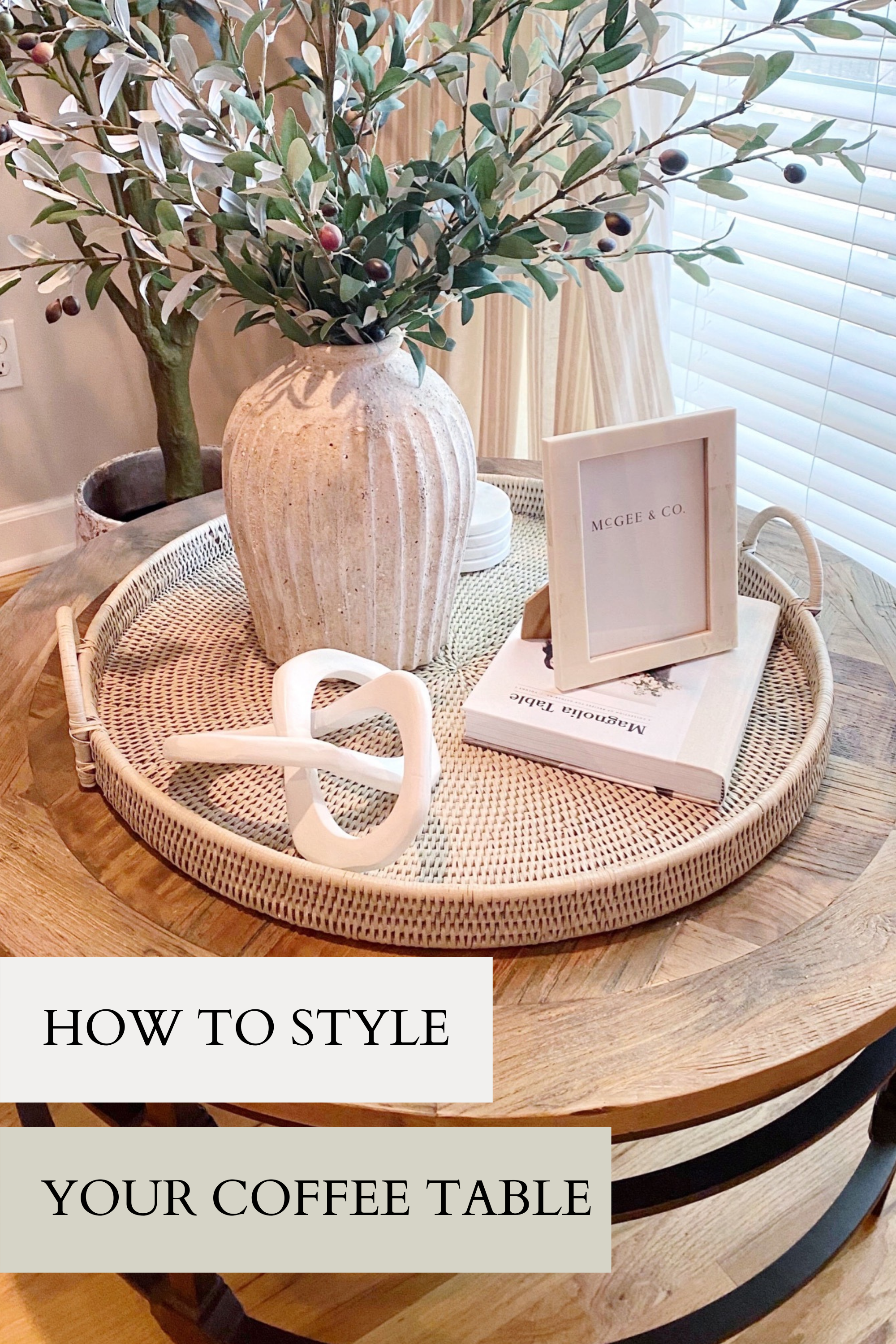
Here’s a simple formula designers swear by:
- A stack of books
- A decorative tray
- A candle or vase
- A small plant
Odd-number groupings feel more natural. Vary heights and textures for visual interest. However, avoid overcrowding—the table should still function.
Budget Guide: From Affordable to Premium Picks
Price ranges vary significantly when you shop coffee table collections online or in-store.
| Budget Range | What to Expect |
|---|---|
| $50–$150 | Engineered wood, simple designs |
| $150–$500 | Solid wood, better craftsmanship |
| $500–$1500 | Designer finishes, marble, metal accents |
| $1500+ | Luxury brand, artisan craftsmanship |
In reality, price often reflects material quality and brand reputation. However, you can still find stylish and durable options within mid-range budgets.
Industry Insights and Market Trends
The global furniture market is projected to surpass $650 billion in the coming years. Coffee tables continue evolving in response to lifestyle changes.
Current trends include:
- Sustainable and reclaimed wood
- Multifunctional furniture
- Neutral earthy tones
- Curved silhouettes
- Minimalist Scandinavian influence
Interestingly, online furniture sales now account for over 25% of purchases in many regions. That means more consumers prefer to shop coffee table products digitally, comparing dimensions, materials, and reviews before buying.
FAQ
How high should a coffee table be?
Ideally, it should match or be 1–2 inches lower than your sofa seat height, typically 16–18 inches.
What shape works best for small rooms?
Round or oval tables are safer and visually lighter for compact spaces.
Is a glass coffee table durable?
Tempered glass is strong, but it requires careful handling and regular cleaning.
How do I maintain a wooden coffee table?
Use coasters, wipe spills immediately, and polish occasionally to preserve the finish.
Can a coffee table be larger than the sofa?
Generally, no. It should be about two-thirds the sofa’s length to maintain proportion.
Are lift-top tables worth it?
Yes, especially for small apartments or multipurpose living rooms.
What color coffee table is most versatile?
Natural wood, black, and white remain the most adaptable choices.
Should I match my coffee table with my TV unit?
Not necessarily. Complementary tones work better than exact matches.
Conclusion
When you shop coffee table designs thoughtfully, you elevate more than just your décor—you enhance everyday living. From choosing the right material to understanding proportion and styling, each step shapes your home’s comfort and personality. Take your time, measure carefully, and trust your instincts. The perfect coffee table isn’t just furniture—it’s the heart of your living room.