
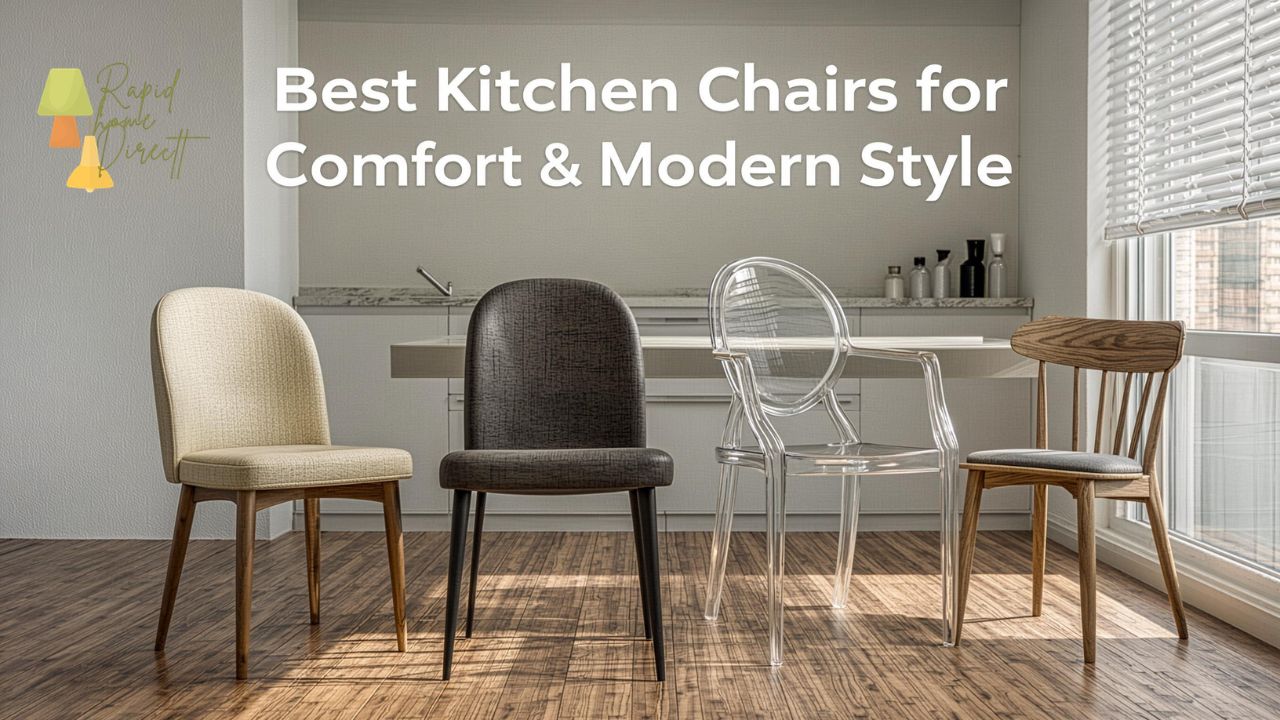
Pull up a chair and think about this for a moment: how much of life happens around your kitchen table? Morning coffee. Homework battles. Late-night conversations. The laughter during birthdays. It’s no exaggeration to say that kitchen chairs quietly witness some of the most meaningful moments in a home.And yet, choosing the right kitchen chairs often becomes an afterthought—something picked quickly to match a table. In reality, the right seating can transform not only how your kitchen looks but how it feels. Comfort, durability, posture support, and aesthetic harmony all come into play.When you invest in seating that fits your lifestyle, you’re not just decorating. You’re shaping daily experiences.

Table of Contents
Why Kitchen Chairs Matter More Than You Think
Types of Kitchen Chairs
Materials, Build Quality & Durability
Comfort & Ergonomics Explained
Design Trends & Style Pairing
Choosing Kitchen Chairs for Small Spaces
Personal Background: Designers Who Shaped Modern Seating
Buying Guide & Budget Breakdown
FAQs
Conclusion
Why Kitchen Chairs Matter More Than You Think
We often focus on countertops, cabinets, and appliances. However, seating determines how long people stay. If chairs are uncomfortable, guests linger less. If they’re supportive and inviting, meals stretch into conversations.
Quality kitchen chairs provide:
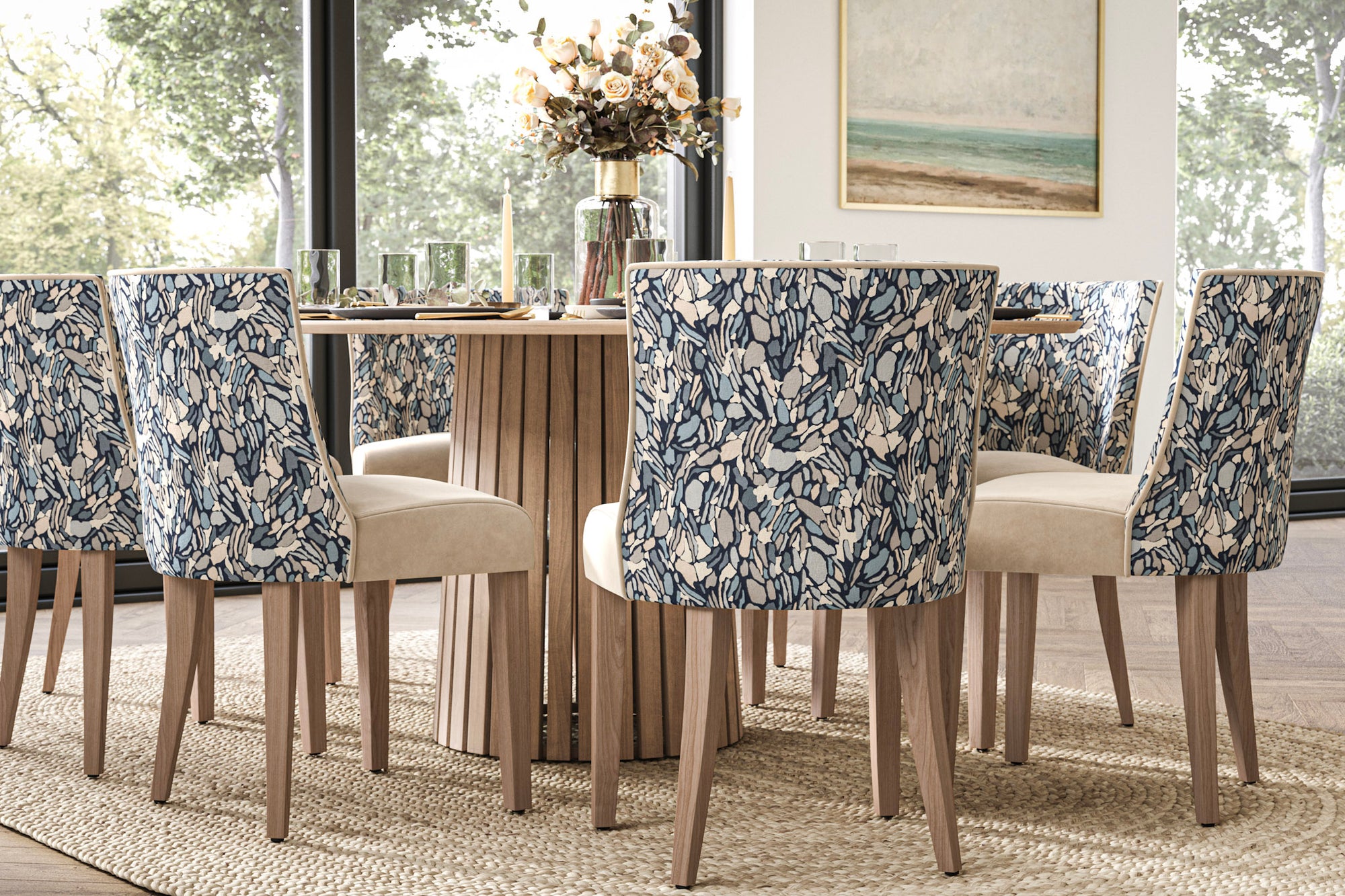
- Proper back support
- Balanced seat height
- Stable structure
- Visual cohesion with the dining area
According to ergonomic studies, an ideal seat height for standard kitchen tables is 17–19 inches. Anything significantly outside this range can strain knees or lower back. These small measurements make a noticeable difference over time.
Types of Kitchen Chairs
Wooden Kitchen Chairs
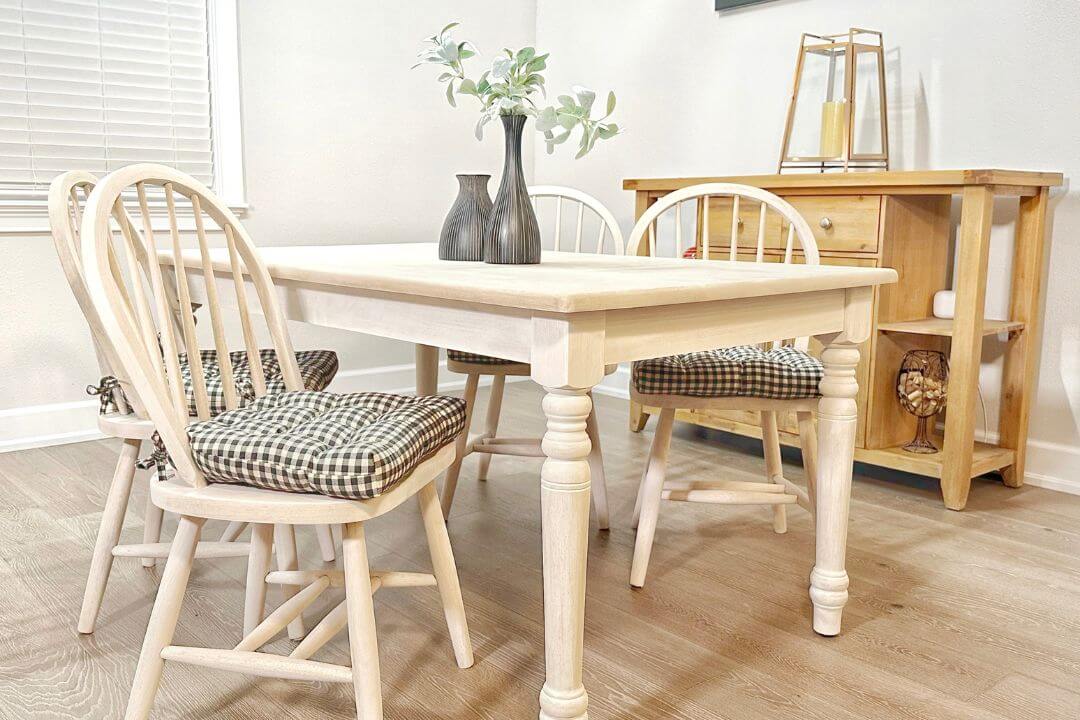
Timeless and versatile, wooden designs remain popular because they adapt to nearly every aesthetic—farmhouse, Scandinavian, modern rustic, or traditional. Solid hardwood options like oak or maple offer longevity, while engineered wood reduces cost.
Upholstered Kitchen Chairs
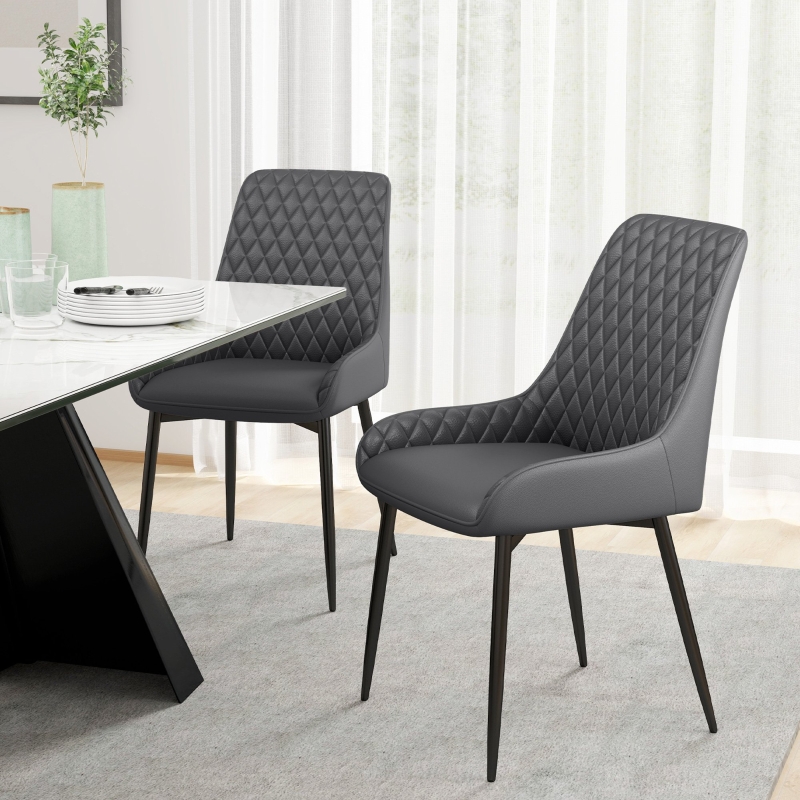
For comfort lovers, padded seating adds warmth and softness. Fabric upholstery creates a cozy feel, while leather or faux leather delivers easy cleaning and a polished look.
Metal & Industrial Styles
Industrial-inspired homes often feature metal frames paired with wood or leather accents. These kitchen chairs are durable and sleek but may require cushions for extended sitting.
Mixed-Material Designs
Modern interiors frequently combine materials—wood legs with upholstered seats, or metal bases with curved plastic shells. These designs balance comfort and contemporary style.
Materials, Build Quality & Durability
When buying seating, material quality determines lifespan.
| Material | Pros | Cons | Best For |
|---|---|---|---|
| Solid Wood | Durable, classic | Higher cost | Long-term investment |
| MDF/Engineered | Budget-friendly | Less durable | Rental homes |
| Metal | Strong, modern | Can feel cold | Industrial kitchens |
| Upholstered | Comfortable | Stains possible | Family dining areas |
| In reality, durability often depends on construction more than material alone. Check for reinforced joints, screwed frames (not glued), and stable legs. |
Comfort & Ergonomics Explained
Comfort is subjective, but ergonomic principles remain universal.
Look for:
- Slightly curved backrests
- Seat depth between 15–18 inches
- Cushioned padding at least 2 inches thick
- Stable, non-wobbly legs
Interestingly, chairs designed for extended dining mimic office seating ergonomics. Subtle lumbar curves reduce lower back pressure.
That said, balance is key. Too much cushioning can look bulky in smaller kitchens.
Design Trends & Style Pairing

Modern Minimalism
Clean lines. Neutral tones. Slim profiles. These kitchen chairs work beautifully with marble countertops and handleless cabinets.
Farmhouse Charm
White-painted wood, cross-back frames, and warm oak finishes define farmhouse seating. They add personality without overwhelming space.
Contemporary Elegance
Velvet upholstery, curved silhouettes, and matte black frames dominate contemporary dining spaces.
However, mixing styles often creates the most interesting result. Pair sleek chairs with a rustic table for contrast.
Choosing Kitchen Chairs for Small Spaces
Small kitchens require smart planning.
- Opt for armless designs to save width.
- Consider stackable options.
- Choose lighter colors to visually expand space.
Compact seating can make even a tiny breakfast nook feel open rather than cramped.

Personal Background: Designers Who Shaped Modern Seating
The evolution of dining seating owes much to designers like Charles and Ray Eames, whose molded plastic chairs revolutionized accessible design. Starting in mid-century America, their innovative approach combined affordability with aesthetic refinement.
Over decades, Eames-inspired seating became a staple in kitchens worldwide. Today, original Eames pieces command high resale values, and design historians estimate the Eames Office brand generates millions annually through licensing agreements.
This legacy shows how thoughtful chair design transcends trends.
Buying Guide & Budget Breakdown
Budget plays a significant role in decision-making.
- $50–$100 per chair: Basic engineered wood or plastic
- $100–$250 per chair: Mid-range wood or upholstered
- $250–$600+ per chair: Premium designer pieces
Invest where it matters most. If your kitchen serves as a social hub, prioritize comfort and durability over temporary trends.

Maintenance & Care Tips
Proper care extends life expectancy:
- Tighten screws every six months
- Clean spills immediately
- Use felt pads to protect floors
- Rotate seating to distribute wear evenly
Even high-quality kitchen chairs benefit from simple upkeep.
FAQs
What height should kitchen chairs be?
Most dining tables pair with seat heights between 17–19 inches for optimal comfort.
Are upholstered kitchen chairs practical for families?
Yes, especially when treated with stain-resistant fabric or covered in easy-clean leather.
How many kitchen chairs should I buy?
Measure table length. Allow 24 inches per seat to prevent crowding.
Can I mix different chair styles?
Absolutely. Mixing materials and finishes can create a curated, designer look.
What material lasts longest?
Solid hardwood frames typically provide the best longevity.
Are metal chairs uncomfortable?
They can be if unpadded. Adding seat cushions improves comfort.
Should chairs match the table?
Not necessarily. Coordinating tones often looks more modern than perfect matching.
How long do kitchen chairs last?
Quality pieces can last 10–20 years with proper care.
Conclusion
Your kitchen isn’t just a cooking zone. It’s a gathering space, a storytelling corner, and sometimes even a workspace. The right kitchen chairs shape how that space functions and feels.
Choosing thoughtfully means considering comfort, design harmony, and durability—not just price tags. When seating invites people to linger, conversations deepen and everyday meals become memories.