Introduction
Step into almost any beautifully designed home, and you’ll notice something instantly: the space has a clear personality. That personality often comes from carefully chosen interior design styles that guide everything from furniture selection to color palettes and textures.
Understanding these styles isn’t just for professional designers. Whether you’re decorating a new apartment, renovating your house, or simply refreshing a single room, knowing how different aesthetics work can help you make confident design choices.
The challenge is that there are dozens of styles—from sleek modern looks to cozy farmhouse spaces—and they often overlap. Without a clear understanding of what defines each one, it’s easy to mix elements in a way that feels chaotic rather than cohesive.
This guide breaks down the most popular design aesthetics, explains what makes them unique, and helps you decide which one suits your home and personality best.
What Are Interior Design Styles?
At their core, interior design styles are recognizable approaches to decorating a space. Each style has its own set of characteristics that shape how rooms look and feel.
These characteristics typically include:
- Color palettes
- Furniture shapes and materials
- Decorative accessories
- Layout and spatial design
- Lighting choices
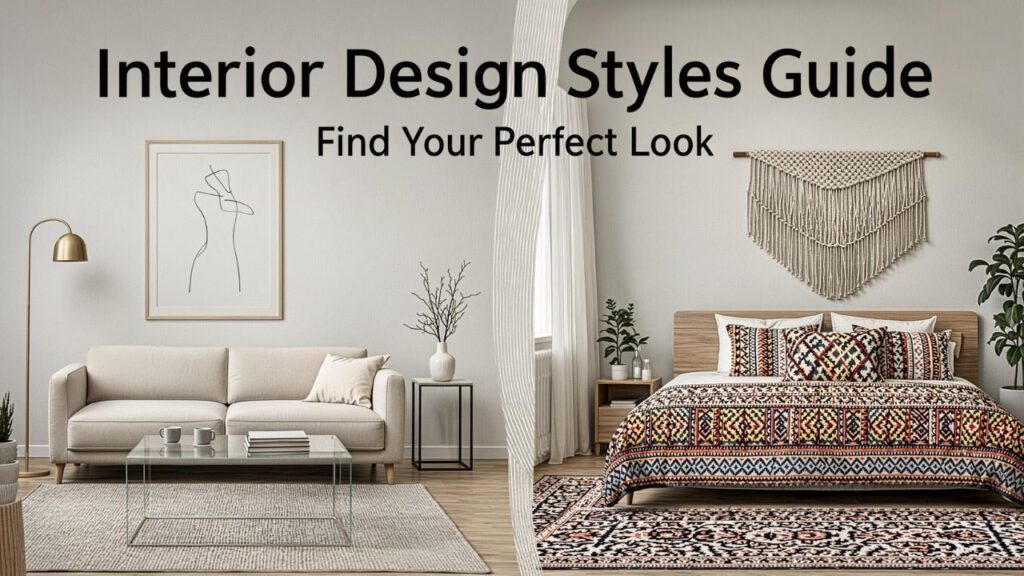
For example, a minimalist space might feature neutral colors, clean lines, and limited décor, while a bohemian space embraces layered textures, vibrant colors, and eclectic pieces.
Design styles act like a blueprint for creating visual harmony. Instead of randomly selecting furniture or decor, a style helps ensure every element contributes to the overall atmosphere.
Why Understanding Design Styles Matters
Choosing a design direction makes decorating easier and more intentional.
Here’s why understanding design styles can transform your home:
1. Creates a cohesive look
A clear style ensures your furniture, colors, and decor work together.
2. Simplifies decision-making
When you know your aesthetic, shopping becomes easier and faster.
3. Reflects your personality
Your home becomes a true expression of your tastes and lifestyle.
4. Improves functionality
Different styles prioritize different living needs—comfort, minimalism, or creativity.
Once you understand how various aesthetics work, you can combine elements thoughtfully rather than randomly.
Most Popular Interior Design Styles Explained
Below are some of the most influential and widely loved aesthetics shaping modern homes.
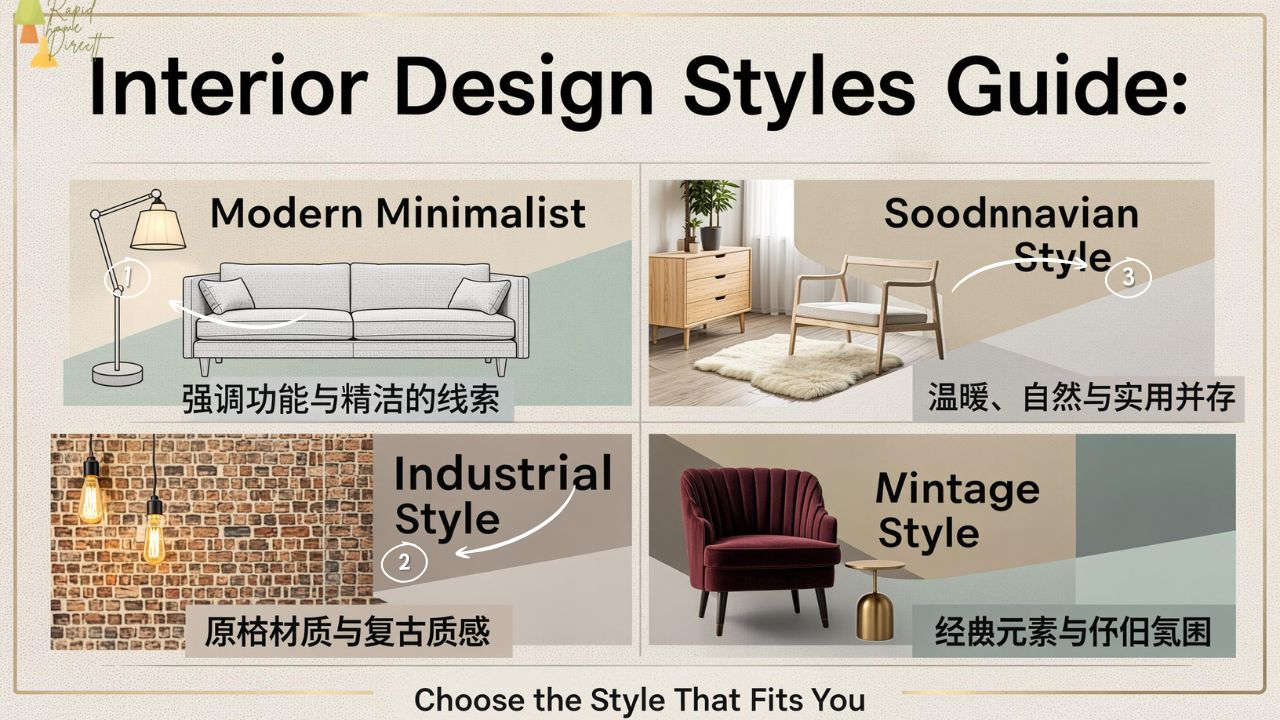
Modern Style
Modern design emerged in the early 20th century and remains one of the most recognizable interior design styles today.
Key characteristics
- Clean lines and simple silhouettes
- Neutral color palettes
- Natural materials like wood and leather
- Open floor plans
- Minimal decorative clutter
Modern interiors focus on functionality and simplicity. Furniture pieces often feature sleek profiles and geometric shapes.
Typical color palette
- White
- Black
- Gray
- Natural wood tones
Contemporary Style
Although often confused with modern design, contemporary style reflects what is trending now.
Contemporary interiors constantly evolve, borrowing elements from multiple aesthetics while maintaining a fresh and sophisticated feel.
Defining features
- Neutral bases with bold accents
- Sculptural lighting fixtures
- Open and airy layouts
- Mixed materials such as glass, metal, and wood
This approach allows homeowners to stay current while still maintaining a cohesive look.
Minimalist Style
Minimalism takes simplicity to the next level. It focuses on reducing visual noise and prioritizing function over decoration.
Minimalist homes often feel calm, spacious, and uncluttered.
Core principles
- “Less is more” philosophy
- Limited color palettes
- Multi-functional furniture
- Clean, uncluttered surfaces
Common materials include natural wood, linen, concrete, and matte metals.
The goal is to create a peaceful environment where every object serves a purpose.
Scandinavian Style
Originating in Nordic countries, Scandinavian interiors combine minimalism with warmth and comfort.
This style is one of the most widely adopted interior design styles because it balances practicality and beauty.
Signature elements
- Light wood tones
- White or soft neutral walls
- Cozy textiles like wool and faux fur
- Simple, functional furniture
- Abundant natural light
Scandinavian spaces are designed to feel bright, welcoming, and lived-in rather than overly polished.
Industrial Style
Inspired by old factories and warehouses, industrial interiors celebrate raw materials and unfinished textures.
Common characteristics
- Exposed brick walls
- Metal beams and piping
- Concrete floors
- Vintage or reclaimed furniture
- Large factory-style lighting
The aesthetic often blends rugged textures with modern comfort, creating spaces that feel edgy yet stylish.
Industrial design is especially popular in loft apartments and urban homes.
Bohemian Style
Bohemian interiors are relaxed, creative, and full of personality.
Unlike more structured interior design styles, boho design thrives on individuality and eclectic combinations.
Typical features
- Rich colors and patterns
- Layered textiles and rugs
- Global-inspired decor
- Handmade or vintage pieces
- Plants and natural materials
Bohemian homes often feel vibrant and artistic, reflecting the owner’s travels, interests, and creativity.
Farmhouse Style
Farmhouse interiors combine rustic charm with modern comfort.
This aesthetic draws inspiration from rural homes and emphasizes warmth and simplicity.
Key design elements
- Natural wood finishes
- Neutral color palettes
- Vintage accessories
- Shiplap walls
- Cozy fabrics like cotton and linen
Modern farmhouse design often blends rustic features with contemporary touches, creating a welcoming yet stylish environment.
Mid-Century Modern Style
Mid-century modern design emerged between the 1940s and 1960s and continues to influence contemporary interiors.
Recognizable features
- Tapered furniture legs
- Organic shapes
- Bold accent colors
- Functional design
- Iconic statement pieces
Furniture from this era often emphasizes simplicity combined with artistic flair.
Many people appreciate this style for its timeless appeal and practical design.
Traditional Style
Traditional interiors draw inspiration from classic European decor.
They emphasize elegance, symmetry, and refined details.
Common characteristics
- Rich wood furniture
- Decorative moldings
- Classic patterns like damask or floral
- Elegant lighting fixtures
- Balanced room layouts
Traditional homes often feel formal yet comfortable, offering a timeless sense of sophistication.
Coastal Style
Coastal interiors capture the relaxed atmosphere of seaside living.
This design style is bright, airy, and refreshing.
Key elements
- Soft blues and sandy neutrals
- Natural materials like rattan and linen
- Light wood finishes
- Nautical accents
- Open, breezy layouts
The goal is to recreate the calming feeling of being near the ocean.
How to Choose the Right Style for Your Home
Selecting among the many interior design styles can feel overwhelming, but a few simple steps can help narrow your options.
1. Identify Your Lifestyle Needs
Your home should support how you live.
Ask yourself:
- Do you entertain often?
- Do you prefer calm, minimal spaces?
- Do you love bold artistic environments?
Your answers will guide your design direction.
2. Look for Inspiration
Design inspiration can come from many places:
- Home design magazines
- Pinterest boards
- Interior design blogs
- Model homes or showrooms
Save images that resonate with you and identify patterns in the spaces you love.
3. Consider Your Existing Architecture
Your home’s structure can influence which styles work best.
For example:
- Industrial looks fit loft spaces
- Farmhouse aesthetics complement rural homes
- Minimalist design suits modern architecture
Working with your home’s natural features helps create harmony.
4. Mix Styles Carefully
While some people prefer a single aesthetic, others enjoy blending multiple interior design styles.
To mix styles successfully:
- Keep a consistent color palette
- Balance contrasting elements
- Use repeating materials or textures
- Choose a dominant style with supporting accents
Thoughtful mixing adds personality without creating visual chaos.
Common Mistakes When Choosing a Design Style
Even with a clear direction, decorating mistakes can happen.
Avoid these common pitfalls:
Following trends blindly
Trendy designs can quickly feel outdated if they don’t match your personality.
Ignoring functionality
A room must work for daily life, not just look good.
Overdecorating
Too many accessories can make spaces feel cluttered.
Buying everything at once
Great interiors often develop gradually over time.
Taking a thoughtful approach ensures your home feels authentic and comfortable.
Frequently Asked Questions
FAQs
What are the most popular interior design styles today?
Some of the most popular styles include modern, Scandinavian, minimalist, industrial, farmhouse, and bohemian. Each offers a distinct aesthetic and atmosphere.
Can you mix different interior design styles?
Yes. Many homes blend multiple styles successfully. The key is maintaining balance through consistent colors, materials, or design elements.
Which design style is best for small homes?
Minimalist and Scandinavian styles work well for small spaces because they emphasize simplicity, light colors, and functional furniture.
How do I find my personal decorating style?
Look at rooms, furniture, and colors you naturally gravitate toward. Creating inspiration boards can help identify patterns in your preferences.
Are interior design styles influenced by culture?
Yes. Many styles reflect cultural traditions and regional influences, such as Scandinavian, Mediterranean, or Japanese design.
Is modern design the same as contemporary design?
No. Modern design refers to a specific historical movement, while contemporary design reflects current trends that evolve over time.
Do I need a professional designer to choose a style?
Not necessarily. Understanding design basics and exploring inspiration can help most homeowners develop a clear style direction.
How often should I update my home’s style?
There is no fixed timeline. Many people refresh décor every few years while keeping foundational furniture pieces longer.
Conclusion
Your home should feel like a reflection of who you are. Exploring different interior design styles allows you to discover the aesthetic that matches your personality, lifestyle, and comfort preferences.
Whether you’re drawn to the clean simplicity of minimalism, the warmth of farmhouse spaces, or the creativity of bohemian interiors, the key is creating an environment that feels authentic and welcoming.
Great design isn’t about following strict rules—it’s about understanding the elements that inspire you and bringing them together in a way that makes your space feel truly yours.