Introduction
Interior design isn’t just about making a room look pretty—it’s about how a space makes you feel when you walk into it. A well-designed home can calm your nerves, boost creativity, and even improve productivity. That’s why so many people search for how to be better at interior design mintpaldecor style rather than following random Pinterest trends.
If you’ve ever rearranged furniture only to feel something was “off,” you’re not alone. Interior design is part art, part psychology, and part practical problem-solving. The good news? It’s a skill you can learn, refine, and master with the right approach.
This guide breaks interior design down into clear, realistic steps—no design degree required. You’ll learn how professionals think, how MintPalDecor-inspired spaces come together, and how to apply those principles confidently in real homes, not showroom fantasies.
Table of Contents
Understanding Interior Design Beyond Aesthetics
How to Be Better at Interior Design MintPalDecor Style
Core Design Principles You Must Master
Room-by-Room Design Strategies
Color Psychology and Material Selection
Common Interior Design Mistakes to Avoid
Personal Background: The Rise of MintPalDecor
Tools, Resources, and Skill-Building Tips
FAQ
Conclusion
Understanding Interior Design Beyond Aesthetics
Interior design is often misunderstood as decorating—buying cushions, choosing paint, and hanging art. In reality, it’s about function first, beauty second.
Good interior design answers questions like:
- How does this space support daily life?
- Does the layout reduce stress or add friction?
- Is the lighting working with the room or against it?
When people struggle with interiors, it’s rarely due to bad taste. It’s usually because they skip foundational thinking: scale, flow, balance, and purpose.
That’s where learning how to be better at interior design mintpaldecor methods helps. MintPalDecor emphasizes intentional design—spaces that look effortless but are carefully planned underneath.
How to Be Better at Interior Design MintPalDecor Style
The MintPalDecor approach isn’t about expensive furniture or copying luxury homes. It’s about clarity, restraint, and cohesion.
At its core, how to be better at interior design mintpaldecor style means:
- Designing around real life, not trends
- Choosing fewer, better pieces
- Letting negative space breathe
- Creating visual calm through consistency
Defining the MintPalDecor Look
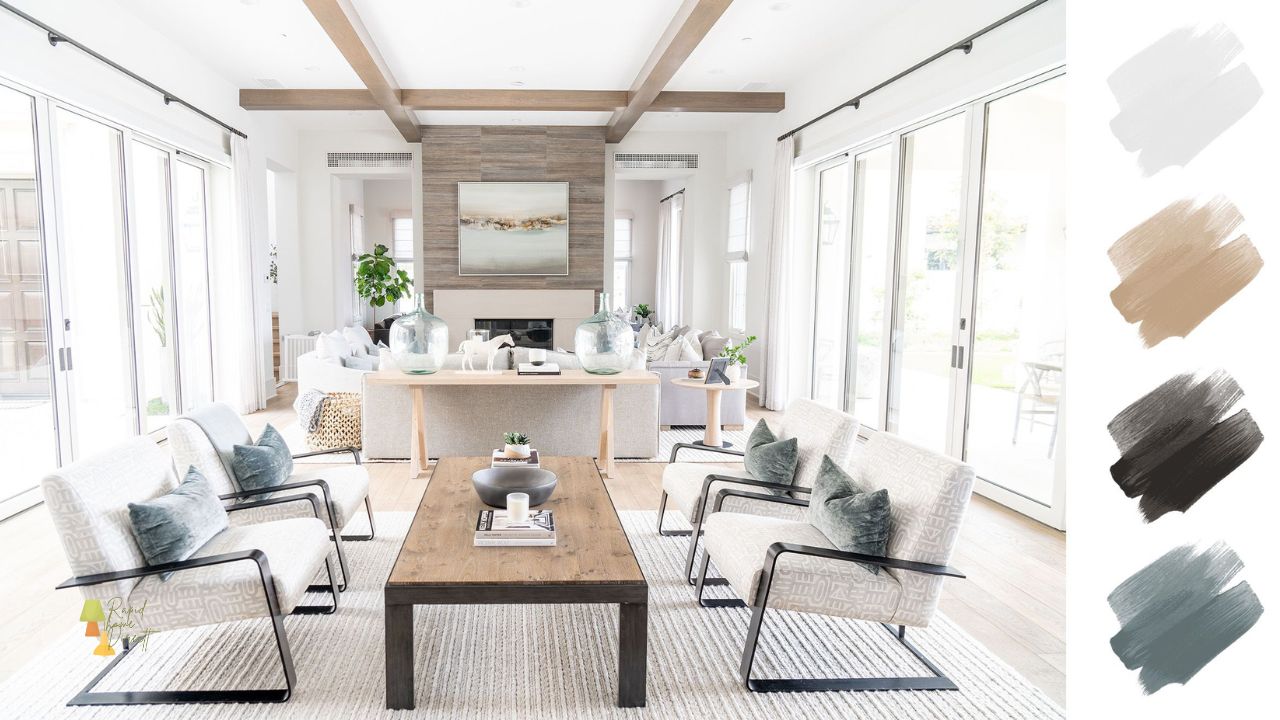
MintPalDecor interiors typically feature:
- Neutral or muted color palettes
- Natural textures (wood, linen, stone)
- Clean lines with soft edges
- Thoughtful lighting layers
- Minimal clutter with meaningful decor
This approach works because it aligns with how humans process visual information—we feel calmer in spaces that aren’t overloaded.
Why This Style Works Long-Term
Trendy interiors age fast. MintPalDecor-inspired spaces age gracefully. They adapt to life changes, family growth, and evolving tastes without needing full redesigns every year.
That’s a huge reason people searching how to be better at interior design mintpaldecor often stay loyal to this philosophy.
Core Design Principles You Must Master
Balance and Visual Weight
Every room has visual weight. A bulky sofa on one side needs visual balance on the other—either through furniture, lighting, or decor.
There are three types of balance:
- Symmetrical (formal, calm)
- Asymmetrical (dynamic, modern)
- Radial (center-focused layouts)
MintPalDecor leans heavily toward asymmetrical balance because it feels natural and lived-in.
Scale and Proportion
One of the most common beginner mistakes is choosing furniture that’s either too big or too small.
Rules that help:
- Large rooms need fewer but bigger pieces
- Small rooms benefit from raised-leg furniture
- Art should fill about 60–75% of wall width above furniture
Understanding scale alone will instantly improve your interiors.
Rhythm and Repetition
Repeating shapes, materials, or colors creates visual rhythm. For example:
- Black accents repeated across lighting, frames, and hardware
- Wood tones echoed in furniture and decor
- Curves repeated in mirrors, chairs, and accessories
This subtle repetition is a signature of how to be better at interior design mintpaldecor spaces.
Room-by-Room Design Strategies
Living Room: Designing for Flow
A living room should support conversation, relaxation, and movement.
Best practices:
- Float furniture when possible (don’t push everything to walls)
- Anchor seating with a properly sized rug
- Use layered lighting: ceiling, task, ambient
Avoid designing around the TV alone—people matter more than screens.
Bedroom: Calm Over Style
Bedrooms should reduce sensory overload.
MintPalDecor-style bedrooms focus on:
- Soft textures
- Muted colors
- Minimal wall decor
- Hidden storage solutions
If your bedroom feels “busy,” remove one-third of visible items and reassess.
Kitchen and Dining: Practical Beauty
In functional spaces:
- Prioritize workflow (triangle rule)
- Use lighting to define zones
- Choose durable materials over trendy finishes
Design that fails under daily use isn’t good design—no matter how pretty it looks online.
Color Psychology and Material Selection
Color affects mood more than most people realize.
Emotional Impact of Colors
- Whites & creams: calm, open
- Beiges & taupes: grounded, warm
- Greens: balance, restoration
- Blues: focus, relaxation
- Blacks: depth, sophistication (use sparingly)
MintPalDecor palettes avoid extremes, creating emotional stability.
Mixing Materials Correctly
A polished room usually includes:
- 1–2 hard materials (wood, metal)
- 1 soft textile (fabric, rug)
- 1 organic texture (plant, stone)
Too many shiny surfaces feel cold. Too many soft ones feel unfinished.
Mastering this mix is central to how to be better at interior design mintpaldecor interiors.
Common Interior Design Mistakes to Avoid
Even stylish people make these mistakes:
- Buying furniture before measuring
- Matching everything exactly
- Overusing accent colors
- Ignoring lighting temperature
- Decorating without a plan
The biggest mistake? Designing room-by-room without a whole-home vision. MintPalDecor interiors flow seamlessly because they’re planned as a system, not isolated spaces.
Personal Background: The Rise of MintPalDecor
MintPalDecor began as a design philosophy rooted in simplicity and intentional living rather than luxury excess. Its approach reflects modern lifestyles—smaller homes, hybrid work, and the need for adaptable spaces.
The brand gained traction by focusing on practical design education, not just visual inspiration. Instead of selling perfection, it teaches people how to be better at interior design mintpaldecor style through understanding fundamentals.
While exact financial figures aren’t public, MintPalDecor’s growth reflects rising demand for sustainable, timeless interior design guidance—especially among first-time homeowners and renters.
Tools, Resources, and Skill-Building Tips
To improve faster:
- Sketch layouts before buying anything
- Use mood boards to limit impulse purchases
- Study real homes, not staged photos
- Photograph your space—it reveals flaws instantly
Interior design is learned through iteration, not theory alone.
FAQ
Is interior design a talent or a skill?
Interior design is primarily a skill. Taste evolves through exposure, while fundamentals are learned through practice and study.
How long does it take to get good at interior design?
With focused learning, most people see noticeable improvement within 3–6 months of intentional practice.
Do I need expensive furniture to design well?
No. Layout, lighting, and proportion matter far more than price.
Can small homes follow MintPalDecor style?
Yes. In fact, smaller spaces benefit most from this approach because it reduces clutter and visual noise.
What’s the fastest way to improve a room?
Fix lighting first, then remove unnecessary items before adding anything new.
How important is lighting in interior design?
Extremely important. Lighting shapes mood, scale perception, and comfort more than color alone.
Can I mix styles with MintPalDecor?
Yes, as long as there’s a unifying palette and consistent materials.
Conclusion
Learning how to be better at interior design mintpaldecor style isn’t about copying images—it’s about understanding why spaces work. When you focus on function, balance, and emotional comfort, your home naturally becomes more beautiful.
Great interior design feels effortless because the thinking happened upfront. Start small, stay intentional, and trust that clarity always beats clutter.