
Introduction
Parenting has never been simple, but in today’s always-connected, always-busy world, it can feel especially overwhelming. Between conflicting advice on social media, pressure to “do it all,” and the fear of making the wrong decision, many parents are quietly searching for guidance they can actually trust. That’s where the fpmomtips parental guide by famousparenting begins to stand out.
At its core, the fpmomtips parental guide by famousparenting speaks to real parents dealing with real-life situations, not idealized parenting moments. It doesn’t promise perfection. Instead, it focuses on balance, emotional intelligence, and practical routines that fit into everyday family life.
What makes this guide matter is its tone. It feels like advice from a friend who’s been there, learned the hard way, and now wants to help others avoid unnecessary stress. For parents who feel stretched thin, unseen, or unsure, this guide offers clarity without judgment.
Parenting advice should empower, not overwhelm. That philosophy is exactly why so many families are turning to this approach for support and reassurance.
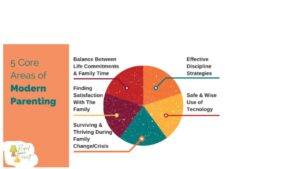
Image: infographic showing modern parenting challenges and solutions
Table of Contents
Understanding the fpmomtips Parental Guide by FamousParenting
The Philosophy Behind FamousParenting
Why Modern Parents Relate to FPMomTips
Core Parenting Principles Explained
Daily Routines That Actually Work
Discipline Without Fear or Shame
Emotional Intelligence in Children
Balancing Work, Home, and Parenting
Common Mistakes Parents Make (and How to Avoid Them)
Personal Background and Growth of FamousParenting
Frequently Asked Questions
Conclusion
Understanding the fpmomtips Parental Guide by FamousParenting
The fpmomtips parental guide by famousparenting is not a rigid rulebook. Instead, it’s a flexible framework designed to support parents through different stages of family life. From toddlers to teens, the advice adapts to real developmental needs rather than one-size-fits-all solutions.
This guide blends research-backed parenting concepts with lived experience. That mix is powerful because it respects both science and intuition. Parents aren’t told to ignore their instincts; they’re encouraged to refine them.
Another defining feature is its accessibility. The language is simple, warm, and practical. You don’t need a background in psychology to understand the guidance, yet the ideas are grounded in well-established child development principles.
Rather than focusing on trends, the guide emphasizes timeless parenting values such as consistency, empathy, and communication.
The Philosophy Behind FamousParenting
FamousParenting is built on the belief that parents don’t need to be perfect to raise emotionally healthy children. What they need is awareness, patience, and support.
This philosophy rejects fear-based parenting. Instead of using punishment as a primary tool, it promotes understanding why a child behaves a certain way. That shift alone changes how parents respond in stressful moments.
The approach also acknowledges parental burnout. It recognizes that exhausted parents can’t show up as their best selves every day. Self-compassion is treated as a parenting skill, not a luxury.
By normalizing struggles, FamousParenting creates a space where parents feel seen rather than judged.
Why Modern Parents Relate to FPMomTips
Modern parenting comes with unique pressures. Social comparison, economic stress, and digital distractions all play a role. The fpmomtips parental guide by famousparenting addresses these realities head-on.
Parents relate to its honesty. It talks openly about guilt, frustration, and doubt without making parents feel like failures. That emotional validation builds trust.
The guide also fits into busy schedules. Advice is broken into small, actionable steps rather than overwhelming overhauls. This makes it easier for parents to apply changes gradually.
In reality, consistency beats intensity. FPMomTips understands that deeply.
Image: parent reading parenting guide on phone while child plays nearby
Core Parenting Principles Explained
Several core principles run through the entire guide. Understanding these ideas helps parents apply the advice more effectively.
First is connection before correction. Children are more likely to cooperate when they feel emotionally safe and understood.
Second is predictability. Clear routines and expectations reduce anxiety for children and parents alike.
Third is modeling behavior. Children learn more from what parents do than what they say.
Finally, the guide emphasizes long-term emotional health over short-term compliance. This perspective reshapes how success in parenting is defined.
Daily Routines That Actually Work
Routines are a cornerstone of the fpmomtips parental guide by famousparenting. Not because routines create control, but because they create security.
Simple morning and bedtime routines help children know what to expect. This reduces power struggles and emotional meltdowns.
The guide suggests starting small. For example, consistent wake-up times or shared family meals a few times a week can make a noticeable difference.
Importantly, routines are meant to serve the family, not stress it. Flexibility is encouraged when life gets unpredictable.
Discipline Without Fear or Shame
Discipline is one of the most misunderstood areas of parenting. The guide reframes discipline as teaching, not punishing.
Instead of asking, “How do I stop this behavior?” parents are encouraged to ask, “What is my child trying to communicate?”
Natural consequences, calm boundaries, and follow-through are emphasized. Yelling, threats, and humiliation are discouraged because they damage trust.
Over time, this approach builds self-regulation in children rather than fear-based obedience.
Emotional Intelligence in Children
Emotional intelligence is a recurring theme throughout the fpmomtips parental guide by famousparenting. Children who can identify and express emotions tend to have stronger relationships and better coping skills.
The guide encourages parents to name emotions openly. Saying things like, “I see you’re frustrated,” helps children feel understood.
It also promotes emotional regulation strategies such as breathing exercises and calm-down spaces. These tools empower children to manage big feelings constructively.
In the long run, emotional intelligence becomes a life skill that benefits children well beyond childhood.
Balancing Work, Home, and Parenting
One of the most relatable aspects of the guide is its honest discussion about balance. Many parents juggle careers, household responsibilities, and emotional labor daily.
The guide doesn’t push unrealistic ideals. Instead, it focuses on prioritization and boundaries. Not everything needs to be perfect to be meaningful.
Parents are encouraged to define success on their own terms. Sometimes, showing up emotionally matters more than checking every box on a to-do list.
This mindset shift reduces guilt and creates space for healthier family dynamics.
Image: infographic showing balance between work, family, and self-care
Common Mistakes Parents Make (and How to Avoid Them)
Even well-intentioned parents fall into patterns that create stress. The guide highlights common pitfalls with compassion rather than criticism.
One mistake is inconsistency. Changing rules frequently confuses children and leads to power struggles.
Another is over-explaining during emotional moments. When emotions are high, logic often doesn’t land.
The guide also warns against ignoring parental needs. Burnout affects patience, empathy, and connection.
By recognizing these patterns early, parents can make small adjustments that lead to big improvements.
Personal Background and Growth of FamousParenting
FamousParenting didn’t emerge from theory alone. It grew from lived experience, observation, and years of engaging with parents from different backgrounds.
The platform’s growth reflects a growing demand for realistic parenting guidance. Its content resonates because it feels human, not polished for perfection.
While exact financial figures are not always publicly detailed, FamousParenting’s success is evident through its expanding audience, partnerships, and influence in the parenting space.
Its true value, however, lies in the emotional impact it has on families who feel supported rather than judged.
Frequently Asked Questions
What is the fpmomtips parental guide by famousparenting about?
It is a practical parenting resource focused on routines, emotional intelligence, and realistic family dynamics.
Is the guide suitable for first-time parents?
Yes, it is especially helpful for new parents seeking gentle, trustworthy guidance.
Does the guide support positive discipline?
Absolutely. It emphasizes teaching and connection over punishment and fear.
Can working parents benefit from this approach?
Yes, the advice is designed to fit into busy, real-life schedules.
Is the content research-based or opinion-based?
It blends research-backed principles with real-world parenting experience.
Does it apply to all age groups?
The guide offers insights adaptable from early childhood through adolescence.
How is this different from other parenting guides?
Its tone is non-judgmental, practical, and emotionally supportive rather than prescriptive.
Is self-care really emphasized in the guide?
Yes, parental well-being is treated as essential, not optional.
Conclusion
Parenting doesn’t come with a universal manual, but the fpmomtips parental guide by famousparenting comes remarkably close to what many parents are truly searching for. It offers clarity without pressure, structure without rigidity, and guidance without judgment.
By focusing on connection, emotional intelligence, and realistic routines, it helps families build healthier relationships over time. Perhaps most importantly, it reminds parents that they are not alone and that doing their best is more than enough.
For parents navigating the complexities of modern family life, this guide feels less like advice and more like support from someone who genuinely understands.