Introduction
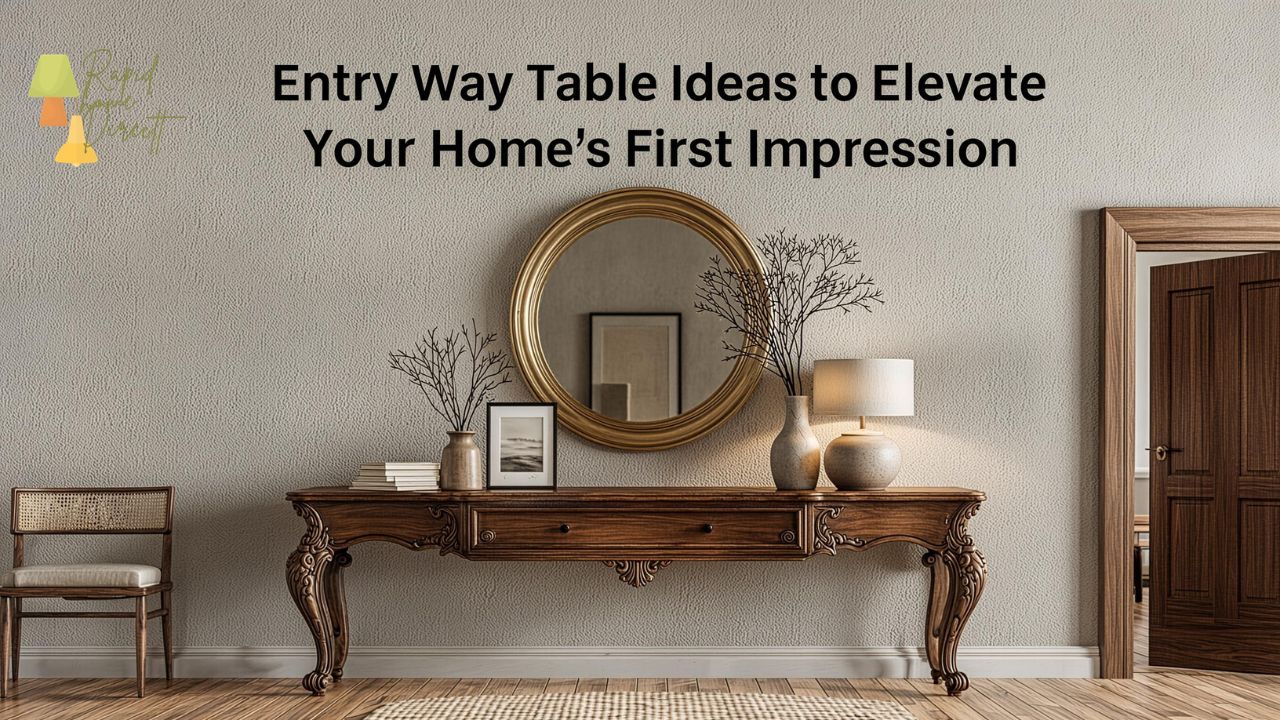
The first few seconds inside a home say more than we realize. Before anyone notices your living room layout or kitchen finishes, their eyes land on one piece of furniture: the entry way table. It quietly sets the tone, hints at your personality, and offers practical storage where you need it most.
An entry way table is more than decorative furniture. It’s the bridge between outside chaos and indoor calm. Shoes drop, keys land, bags rest, and suddenly your home feels organized. In reality, this simple table can elevate functionality, add architectural interest, and create emotional warmth in one small footprint.
Whether your space is narrow and modern or spacious and traditional, choosing the right piece matters. Let’s explore how to select, style, and personalize this essential focal point in a way that feels intentional, beautiful, and completely yours.
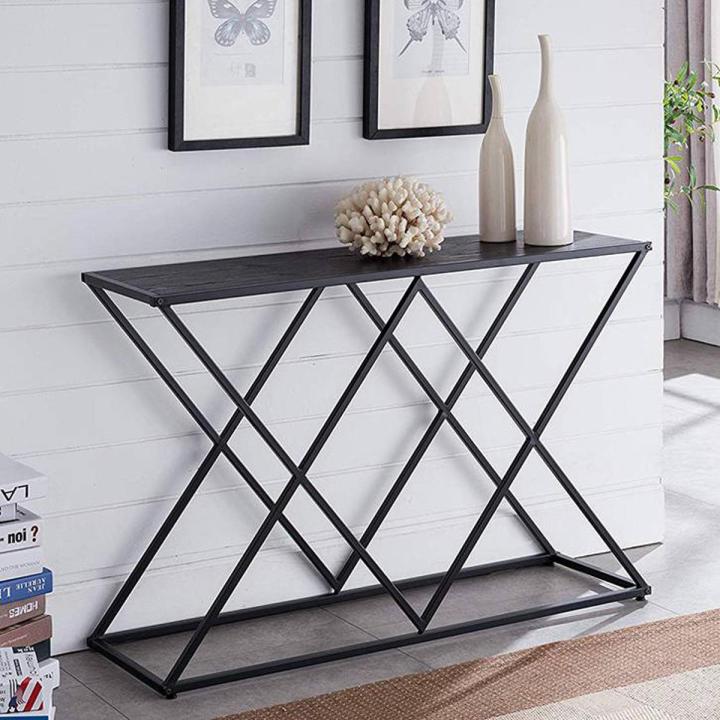
Table of Contents
- Why Every Home Needs an Entry Way Table
- Types of Entry Way Tables
- Choosing the Right Entry Way Table for Your Space
- Materials and Design Styles
- Styling an Entry Way Table Like a Designer
- Storage and Functionality Ideas
- Entry Way Table for Small Spaces
- Personal Background: The Designers Behind the Trend
- Common Mistakes to Avoid
- FAQs
- Conclusion
Why Every Home Needs an Entry Way Table
The entry point of a home is a transitional space. However, without structure, it quickly becomes cluttered. An entry way table acts as both an anchor and an organizer. It gives the eye a focal point while offering a practical surface for daily essentials.
Creates a Visual Focal Point
Interior designers often emphasize the importance of first impressions. A thoughtfully styled table paired with a mirror or artwork creates a balanced composition that draws the eye upward. Instead of focusing on scattered shoes or mail, guests notice intentional design. A well-composed entry can subtly elevate the perceived value and polish of the entire home.
Adds Everyday Functionality
Daily routines require practical landing spots. Keys, sunglasses, wallets, and incoming mail need a consistent home. A slim console provides that drop zone, helping reduce clutter in kitchens and living areas. The result is a smoother morning routine and a calmer visual environment.
Improves Flow and Organization
In open-concept homes, foyers often blend into living spaces. An entry way table defines that transition without constructing physical barriers. It creates a psychological boundary that improves spatial flow and makes the home feel organized and cohesive from the moment you walk in.
Types of Entry Way Tables
Not all entry way tables serve the same purpose. The ideal choice depends on space, storage requirements, and personal style preferences.
Console Tables
Console tables are long and narrow, designed to sit flush against a wall. Many include slim drawers for small-item storage. They are ideal for modern apartments and contemporary homes where space efficiency matters.
Storage Entry Tables
These tables incorporate cabinets, shelving, or basket space. They are especially suitable for families who need concealed storage for shoes, bags, and daily-use items.
Floating Shelves as Entry Tables
For extremely tight spaces, wall-mounted shelves provide the function of an entry way table without occupying floor space. They maintain a minimalist aesthetic while offering practical use.
Statement Tables
Statement tables focus more on design impact than storage. Sculptural bases, marble tops, or bold finishes transform the entry into a design highlight, particularly in luxury interiors.
Choosing the Right Entry Way Table for Your Space
Selecting the correct size and style ensures the table enhances rather than restricts movement.
Measure Before You Shop
Always measure the available space. Leave at least 30–36 inches of walking clearance for comfortable movement. Standard entry table height ranges between 28–32 inches, aligning well beneath mirrors or wall art.
Consider Depth Carefully
Narrow hallways typically require tables 10–14 inches deep. Wider foyers can accommodate 16–20 inches without overwhelming the space.
Match Your Interior Style
The table should complement your overall aesthetic. Modern interiors favor clean lines and metal accents. Farmhouse spaces lean toward distressed wood and cross-beam bases. Traditional homes often feature carved legs and rich wood finishes. Scandinavian designs emphasize light wood tones and minimal hardware.
Materials and Design Styles
Material choice significantly impacts both durability and appearance. Solid wood offers warmth and longevity, while metal frames provide a sleek, industrial feel. Glass tops create visual lightness in smaller areas, and marble surfaces deliver luxury and sophistication. Blending materials—such as wood with brass accents—can add depth and character. Selecting materials that align with your home’s overall design ensures harmony and long-term satisfaction.
Wood
Wood remains one of the most timeless and versatile materials for an entry way table. Solid oak and walnut offer exceptional durability and rich grain patterns that instantly warm up a foyer. Reclaimed wood, on the other hand, introduces texture and character, often telling a story through natural imperfections. Whether finished in light Scandinavian tones or deep traditional stains, wood adapts effortlessly to multiple interior styles while maintaining a welcoming feel.
Metal
Metal entry way tables deliver a sleek, contemporary edge. Black powder-coated steel frames are particularly popular for modern and industrial interiors. When paired with glass or marble tops, metal creates a striking contrast between strength and elegance. Slim metal profiles also work well in narrow hallways because they maintain structure without appearing visually heavy.
Glass
Glass surfaces bring a reflective, airy quality to entry spaces. This material is especially effective in small foyers where visual openness matters. A glass-top entry way table allows light to pass through, preventing the area from feeling crowded. When combined with chrome or brass bases, glass creates a refined, polished aesthetic.
Marble and Stone
Marble and natural stone add instant sophistication and luxury. Their natural veining patterns create a high-end statement that elevates the entire entry. However, these materials require proper sealing and regular maintenance to prevent staining or etching. For homeowners seeking elegance with durability, engineered stone alternatives can provide a similar look with less upkeep.
Styling an Entry Way Table Like a Designer
Designing a beautiful entry is less about filling space and more about intentional composition. Thoughtful styling transforms a simple surface into a curated focal point.
The Rule of Three
Designers frequently group objects in odd numbers because it creates visual balance and interest. A classic example includes a lamp for height, a stack of books for layering, and a small plant for organic softness. This simple trio feels complete without appearing cluttered.
Layering Heights
Visual rhythm comes from variation. Pair a tall element such as a mirror or lamp with a medium-height vase and a lower tray or decorative bowl. This layered approach prevents the arrangement from looking flat and adds dimension to the entry area.
Add Personal Touches
An entry way table should reflect personality. Family photographs, travel souvenirs, heirloom pieces, or meaningful artwork transform the space from staged to authentic. Personal elements make guests feel welcomed and create emotional connection from the moment they walk in.
Use Trays for Organization
Trays are practical design tools. They group small items like keys, mail, and sunglasses into one contained area, preventing visual chaos. Even everyday essentials look intentional when neatly arranged within a defined boundary.
Storage and Functionality Ideas
An entry way table can be more than decorative—it can be highly functional. Drawers help conceal clutter while keeping essentials accessible. Open shelving works well for baskets that store shoes, scarves, or pet accessories. Hooks mounted above the table provide vertical storage for coats and bags, maximizing wall space. For tech-friendly homes, adding a discreet charging station inside a drawer keeps cables hidden yet convenient. When thoughtfully selected, the right entry way table balances beauty with everyday practicality.
Go Vertical
Maximizing vertical space can dramatically enhance the impact of an entry way table. Pairing it with vertical wall storage, floating shelves, or a tall mirror draws the eye upward and creates the illusion of higher ceilings. This approach not only improves functionality but also expands the perceived size of the foyer. A tall mirror, in particular, reflects light and adds depth, making even compact entryways feel more open and inviting.
Choose Light Colors
Color plays a powerful role in spatial perception. White finishes, light oak tones, and glass surfaces reflect more natural and artificial light, preventing the entry from feeling heavy or enclosed. In smaller foyers, lighter materials visually recede, helping the space appear brighter and more spacious.
Use Multi-Functional Furniture
In modern homes where space efficiency matters, multi-functional pieces are invaluable. Some entry way tables double as slim benches, offering a convenient spot to sit while putting on shoes. Others include hidden compartments or lift-top storage for discreet organization. Choosing furniture that serves more than one purpose ensures both beauty and practicality.
Personal Background: The Designers Behind the Trend
The popularity of curated foyer spaces can be traced to influential interior designers who brought styled console surfaces into mainstream home decor.

Designers like Joanna Gaines and Nate Berkus helped transform entryway styling from an afterthought into a design statement. Joanna Gaines, co-founder of Magnolia, popularized the modern farmhouse aesthetic through renovation projects and television exposure, turning thoughtfully styled entry tables into a recognizable design signature.
Nate Berkus similarly expanded from boutique interior projects into television and licensed collections with major retailers. His emphasis on meaningful objects and layered styling reinforced the idea that small details—like a carefully arranged entry way table—can create strong emotional impact. Both designers demonstrated that curated entry spaces are not about excess, but about intentional storytelling through furniture and decor.
| Feature | Benefit | Best For |
|---|---|---|
| Drawers | Hides clutter | Apartments |
| Open Shelves | Display baskets | Families |
| Cabinets | Concealed storage | High-traffic homes |
| Hooks Above Table | Extra organization | Small spaces |
An entry way table with built-in drawers works beautifully for households managing busy schedules.
Small entryways demand creativity. However, compact doesn’t mean boring.
Common Mistakes to Avoid
One of the most frequent errors is choosing a table that is too deep for a narrow hallway, which restricts movement and disrupts flow. Overcrowding decor pieces can also make the space feel chaotic rather than curated. Ignoring lighting reduces warmth and functionality, especially in entries without natural light. Forgetting to include wall art or a mirror above the table often leaves the composition feeling incomplete. Finally, selecting materials that clash with flooring or surrounding finishes can create visual tension instead of harmony.
FAQs
What size entry way table is best?
The ideal size depends on available space, but most homeowners prefer a table approximately 30 inches high and 12–18 inches deep to balance comfort and proportion.
Can I use a dresser instead of an entry way table?
Yes. In larger foyers, a dresser can provide additional concealed storage while maintaining the same visual function as a console table.
Should an entry way table match other furniture?
It should complement rather than perfectly match surrounding pieces. Cohesion in tone, texture, or material matters more than strict uniformity.
How do I decorate an entry way table for seasons?
Keep foundational elements consistent, such as a mirror or lamp, and swap smaller accessories like flowers, candles, or wreaths to reflect the season.
Is a mirror necessary above an entry way table?
A mirror is not mandatory, but it enhances light reflection and creates vertical balance, especially in smaller spaces.
What decor should always stay on the table?
A tray for essentials and a reliable light source—such as a lamp—are practical staples that maintain both organization and ambiance.
Conclusion
A thoughtfully chosen entry way table quietly transforms your home’s first impression. It blends practicality with aesthetic appeal, supports daily routines, and provides a canvas for personal expression. Whether minimalist or ornate, compact or grand, this single piece has remarkable influence. Select it carefully, style it intentionally, and notice how the atmosphere of your home shifts the moment someone steps through the door.