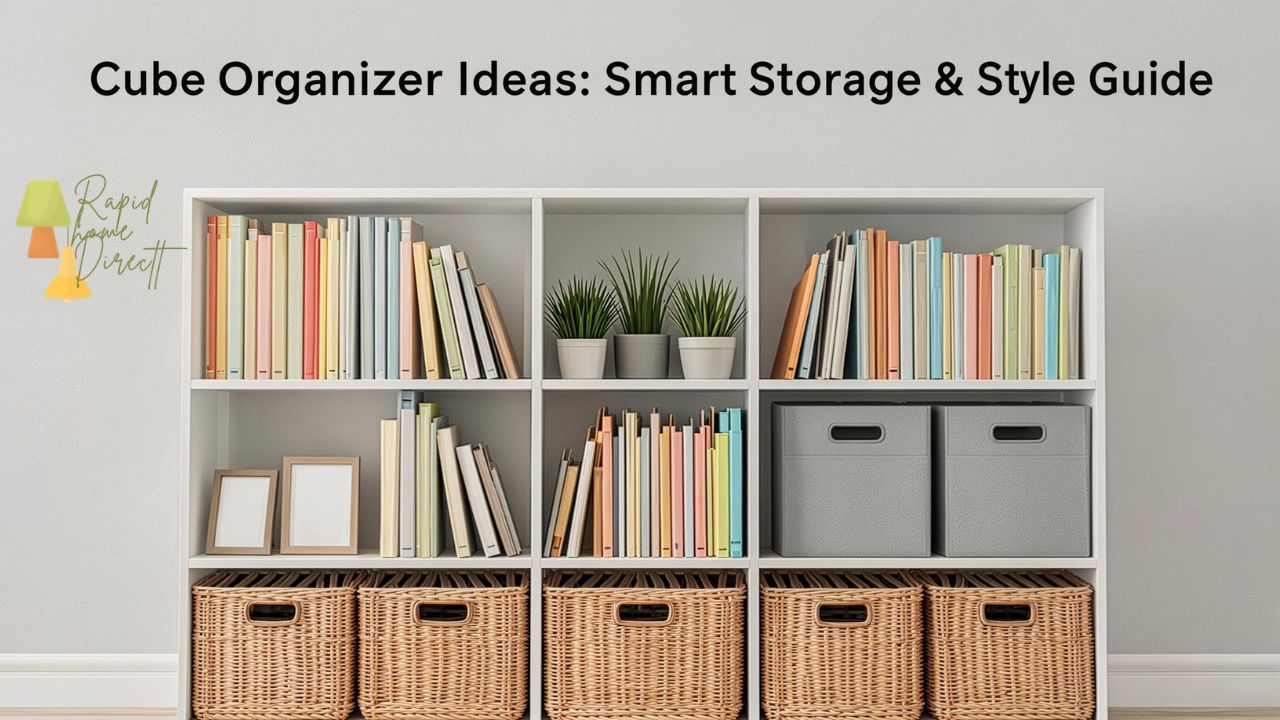
There’s a certain satisfaction that comes from turning chaos into order. A stack of books suddenly has a home. Toys disappear into tidy bins. Shoes line up neatly instead of spilling across the floor. That quiet transformation often starts with a cube organizer.
A cube organizer is one of those deceptively simple pieces of furniture that can completely reshape how a room functions. It’s modular, versatile, and surprisingly stylish when used thoughtfully.
In reality, smart storage isn’t just about hiding clutter—it’s about designing systems that make daily life smoother. Whether you’re organizing a small apartment or reworking a family playroom, understanding how to use this shelving solution can make a dramatic difference.

Table of Contents
Why a Cube Organizer Works So Well
Types and Configurations of Cube Organizer Units
Materials and Build Quality
How to Choose the Right Cube Organizer
Room-by-Room Styling Ideas
Storage Bins and Accessories
Infographic: Cube Organizer Buying Checklist
Personal Background: The Rise of Modular Storage Brands
Frequently Asked Questions
Conclusion
Why a Cube Organizer Works So Well
The appeal of a cube organizer lies in its modular structure. Each cubby creates a defined space for items, making it easier to categorize and access belongings.
Organizational psychology research suggests that clearly defined storage zones reduce mental clutter. When objects have designated spots, decision fatigue decreases.
Additionally, cube units maximize vertical space without overwhelming rooms. Their geometric design complements modern interiors, making them both functional and decorative.

Types and Configurations of Cube Organizer Units
Not all organizers are identical. Configuration determines flexibility.
2×2 Units
Compact and ideal for bedrooms or entryways.
3×3 Units
Popular for living rooms and offices, offering balanced storage and display space.
4×4 or Larger Units
Best for playrooms or shared spaces requiring higher capacity.
Horizontal Layouts
Often used as media consoles or window benches.
Vertical Layouts
Great for narrow spaces with limited floor width.
Selecting configuration depends on room size and storage needs.
Materials and Build Quality
Durability matters, especially for heavy items like books.
Solid Wood
Sturdy and long-lasting, though typically higher priced.
Engineered Wood (MDF)
Affordable and lightweight, suitable for decorative use.
Metal Frame Cubes
Modern and durable, often with open designs.
Laminate Finishes
Resistant to scratches and easy to clean.
| Material | Strength | Best For | Maintenance |
|---|---|---|---|
| Solid Wood | High | Heavy loads | Moderate |
| MDF | Moderate | Light decor | Easy |
| Metal | High | Industrial style | Easy |
| Laminate | Moderate | Family use | Very easy |
Quality construction prevents sagging shelves over time.
How to Choose the Right Cube Organizer
Choosing the right cube organizer involves more than measuring wall space.
Assess Storage Needs
Are you storing books, clothing, toys, or decor?
Consider Weight Capacity
Check manufacturer specifications before loading heavy items.
Match Interior Style
White units suit minimalist homes; wood finishes add warmth.
Evaluate Flexibility
Adjustable shelves or removable bins enhance versatility.
A thoughtfully selected organizer supports both aesthetics and daily routines.
Room-by-Room Styling Ideas
Living Room
Use open cubes for books and decor while adding baskets for hidden storage.
Kids’ Room
Color-coded bins encourage children to maintain organization.
Home Office
Store files, supplies, and display awards or plants.
Entryway
Keep shoes, bags, and seasonal accessories neatly contained.
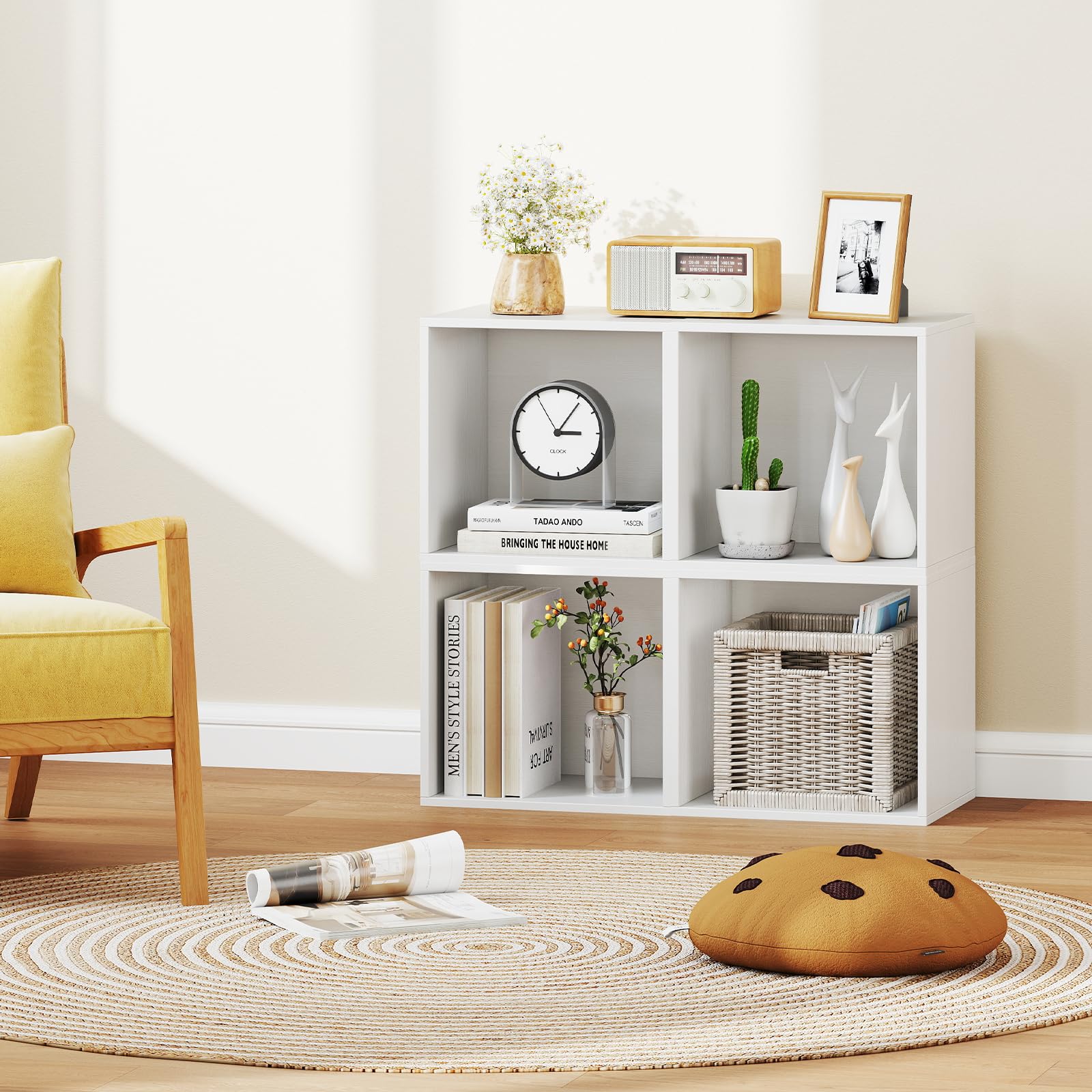
Strategic styling ensures the unit enhances the room rather than dominating it.
Storage Bins and Accessories
Bins amplify the efficiency of a cube organizer.
- Fabric bins for soft storage
- Wicker baskets for texture
- Clear containers for visibility
- Label tags for easy identification
Mixing open and concealed storage creates visual balance.

Infographic: Cube Organizer Buying Checklist
Quick Checklist:
✔ Measure wall dimensions
✔ Confirm weight capacity
✔ Choose compatible bins
✔ Match color and finish
✔ Plan placement before purchase
Personal Background: The Rise of Modular Storage Brands
The popularity of modular storage skyrocketed with brands like IKEA introducing accessible, customizable shelving systems. Companies specializing in flat-pack furniture built global reputations by offering affordable, adaptable designs.
These brands capitalized on urban living trends where flexibility and efficiency are essential. Modular shelving lines generated billions in revenue, reflecting consumer demand for functional, stylish solutions.
Their success underscores an important shift in interior design: practicality and personalization matter more than ever.

Frequently Asked Questions
What size cube organizer is best?
It depends on room size and storage needs. 3×3 units are among the most versatile.
Can a cube organizer hold heavy books?
Solid wood or reinforced MDF units can handle moderate book weight.
Are cube organizers good for small apartments?
Yes, they maximize vertical storage without occupying excess floor space.
Can I use one as a TV stand?
Horizontal configurations often function as media consoles.
How do I prevent sagging?
Avoid exceeding weight limits and distribute items evenly.
Are fabric bins washable?
Most are spot-clean only; check manufacturer instructions.
Can I stack cube organizers?
Some models allow stacking, but ensure stability and safety.
Do cube organizers look stylish?
With thoughtful styling and accessories, they enhance modern interiors beautifully.
Conclusion
A cube organizer isn’t just shelving—it’s a foundation for organized living. It transforms cluttered spaces into functional, visually pleasing environments. By selecting durable materials, appropriate sizing, and complementary accessories, you create a system that supports both style and efficiency.
Sometimes, the path to a calmer home begins with something as simple—and powerful—as a well-placed set of cubes.