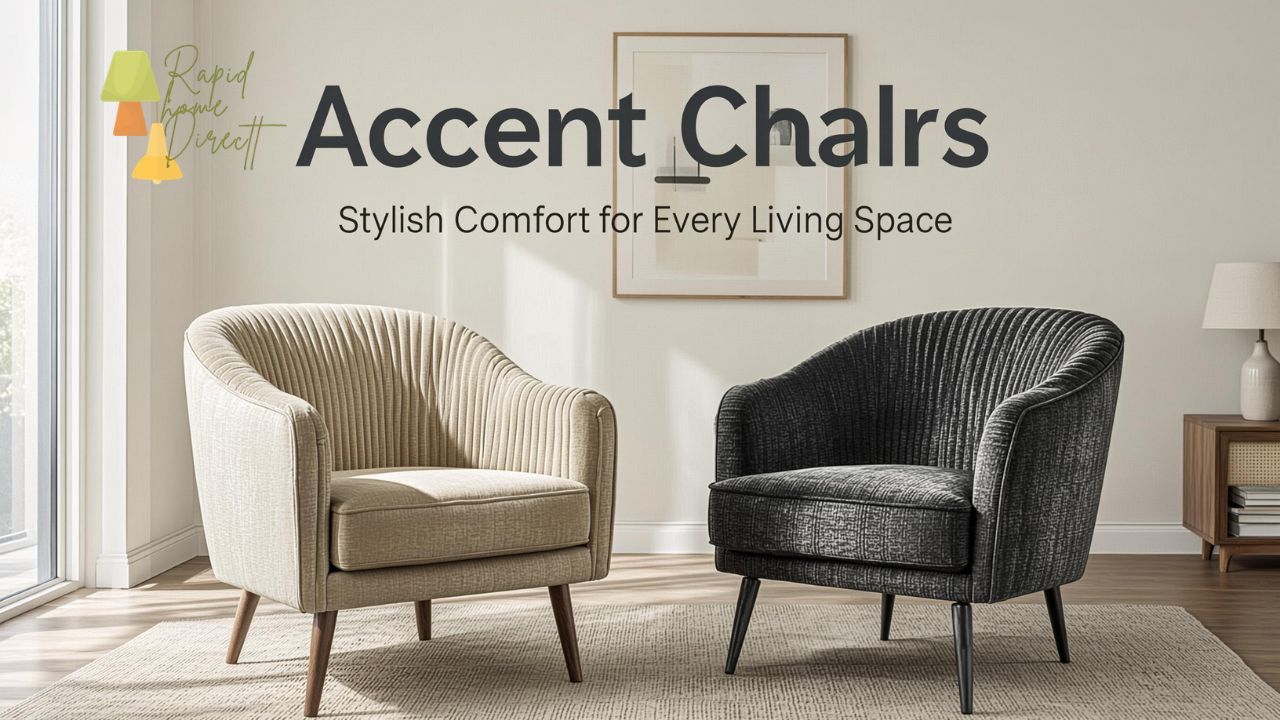
When you walk into a room and something instantly catches your eye, it’s often not the sofa or the coffee table—it’s the chair. accent chairs have a unique way of commanding attention while quietly tying a space together. They can be bold, subtle, vintage, modern, cozy, or dramatic—all at once.
In reality, accent chairs are more than just extra seating. They’re personality pieces. Whether you’re redesigning your living room, upgrading a bedroom corner, or adding warmth to a home office, the right chair can completely shift the mood of a space. And because homes today are becoming more expressive and personalized, accent chairs matter more than ever.
Interior design surveys show that over 60% of homeowners prioritize statement furniture when refreshing their interiors. That’s where accent chairs step in—they blend function with flair. Let’s explore how to choose one that feels like it was meant for your home.
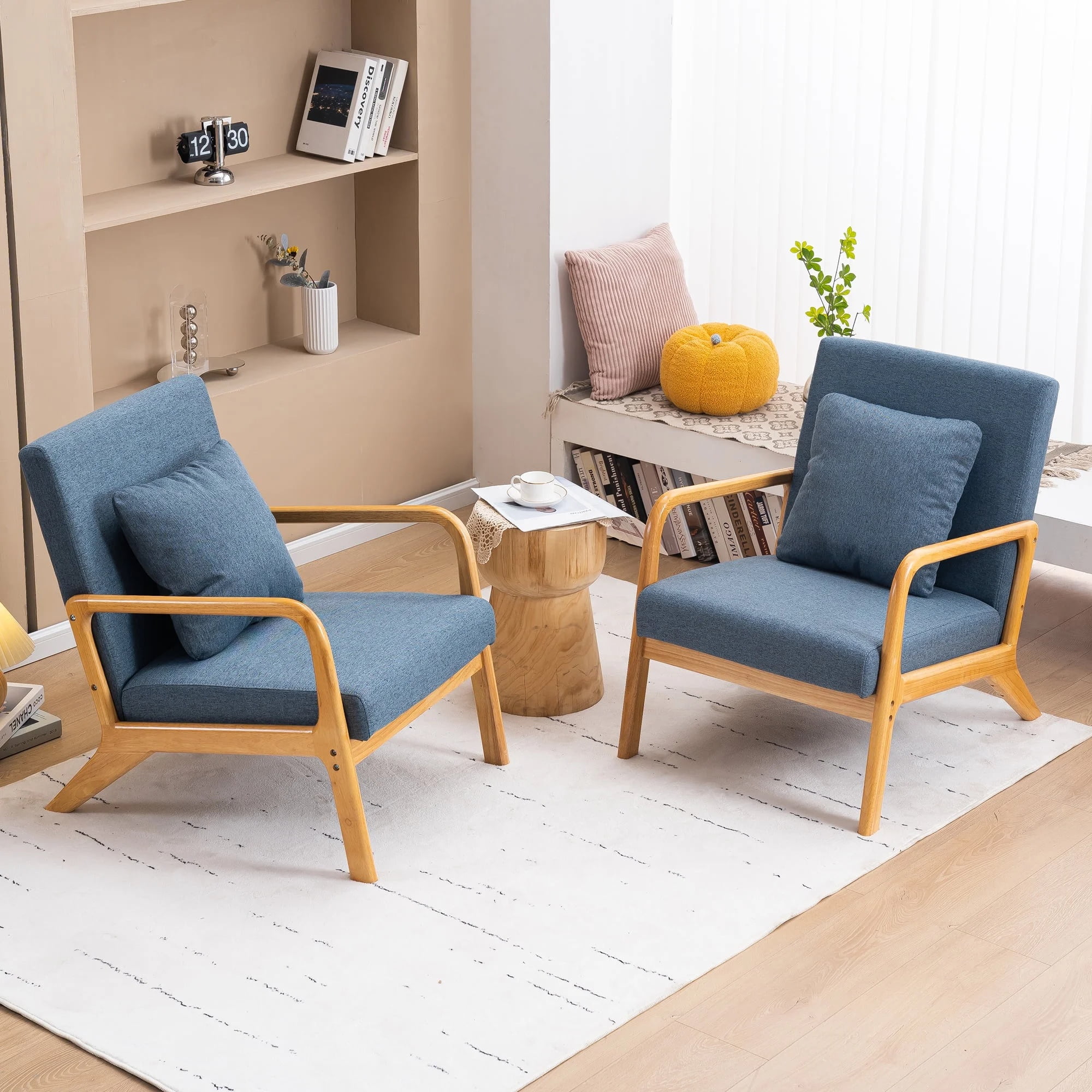
Table of Contents
What Are Accent Chairs?
Why Accent Chairs Matter in Interior Design
Popular Types of Accent Chairs
Materials and Upholstery Options
How to Choose the Perfect Accent Chairs for Your Space
Styling Tips for Different Rooms
Personal Background: The Rise of Statement Furniture
Budget, Value, and Investment Insights
Frequently Asked Questions
Conclusion
What Are Accent Chairs?
Accent chairs are standalone seating pieces designed to complement and enhance existing furniture. Unlike dining chairs or office chairs, their primary role is aesthetic impact combined with comfort.
Key Characteristics
- Unique shape or silhouette
- Contrasting color or fabric
- Decorative details (tufting, carved legs, bold prints)
- Placed strategically to highlight a space
In simple terms, accent chairs are the finishing touch that makes a room feel complete rather than “almost done.”
Why Accent Chairs Matter in Interior Design

Interior designers often refer to them as “anchor pieces.” Why? Because a well-placed accent chair can:
- Break up visual monotony
- Introduce texture and contrast
- Define zones in open layouts
- Add functional seating without crowding
However, it’s not just about looks. In smaller apartments, a compact accent chair can replace bulky furniture while still providing comfort. In larger homes, a pair of accent chairs can balance a sectional sofa and create a conversational setup.
Design psychology suggests that curved chairs feel more inviting, while angular designs communicate structure and modernity. That subtle detail influences how guests perceive your space.
Popular Types of Accent Chairs
Not all accent chairs are created equal. Here’s a closer look at popular styles.
1. Wingback Chairs
Originally designed in the 17th century to shield from drafts, wingbacks now symbolize elegance. High backs and side “wings” create a dramatic silhouette.
Best for:
- Formal living rooms
- Reading corners
- Traditional interiors
2. Club Chairs
Deep, plush, and often leather-upholstered, club chairs prioritize comfort.
Best for:
- Cozy dens
- Home libraries
- Masculine décor themes
3. Slipper Chairs
Armless and compact, these are perfect for small spaces.
Best for:
- Bedrooms
- Apartments
- Minimalist homes
4. Barrel Chairs
Rounded backs create a cocoon-like feel.
Best for:
- Modern living rooms
- Boutique-style spaces
5. Accent Armchairs
This is the most versatile category. Armchairs with bold upholstery or unique legs easily become focal points. When chosen thoughtfully, accent chairs can transform even a neutral palette into something visually exciting.
Materials and Upholstery Options
The fabric you choose dramatically impacts durability and style.
| Material | Feel | Best For | Durability |
|---|---|---|---|
| Velvet | Luxurious, soft | Glam & modern homes | Medium |
| Leather | Sleek, classic | Offices & masculine décor | High |
| Linen | Light, breathable | Coastal or airy spaces | Medium |
| Polyester blends | Affordable, durable | Family homes | High |
| Bouclé | Textured, trendy | Contemporary interiors | Medium |
That said, lifestyle matters. If you have pets or kids, performance fabrics resist stains better. On the other hand, if you’re designing a formal sitting room, aesthetics may take priority over practicality.
How to Choose the Perfect Accent Chairs for Your Space
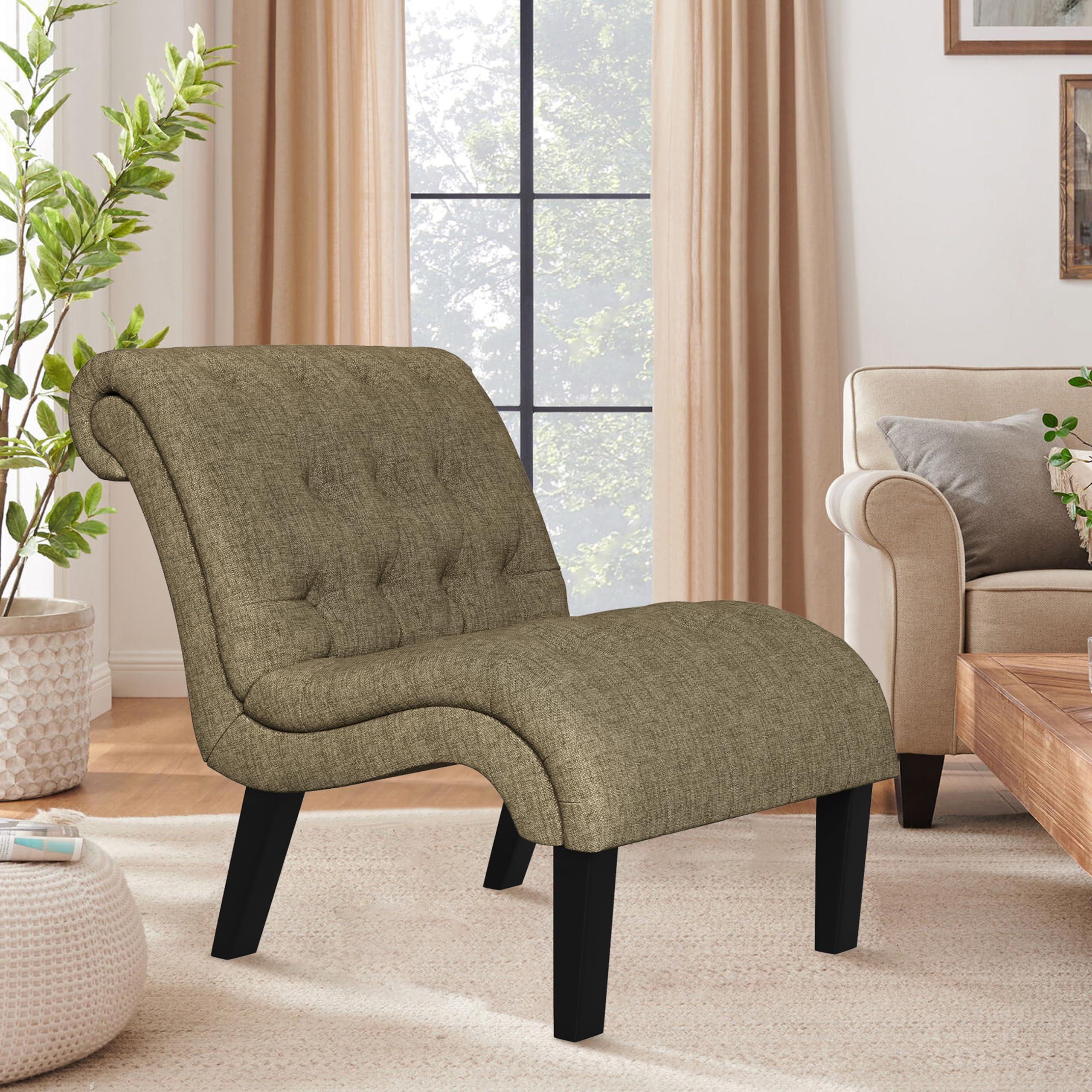
Choosing accent chairs isn’t just about picking something pretty. Here’s a practical checklist.
Consider Room Size
Measure before buying. A chair that looks perfect online might overwhelm a small room.
Match or Contrast?
- Matching creates harmony.
- Contrasting adds drama.
For example, in a neutral living room, a mustard or emerald chair adds depth without requiring a full redesign.
Comfort Test
If possible, sit in it. Check seat depth, cushion density, and back support.
Think Long-Term
Trends change. However, classic silhouettes in timeless colors last longer.
Styling Tips for Different Rooms
Living Room
Place two accent chairs opposite a sofa to create conversation flow. Add a small side table between them.
Bedroom
Use a slipper chair near a window. Add a throw blanket for warmth.
Home Office
A bold accent chair can soften a corporate-feeling space.
Entryway
A compact chair adds both style and practicality for putting on shoes.
Interior experts often recommend layering textures—pairing velvet chairs with wooden tables, for example—to avoid flat, one-dimensional spaces.
Personal Background: The Rise of Statement Furniture
The concept of accent furniture gained momentum during the mid-20th century modern design movement. Designers like Charles Eames and Ray Eames popularized lounge chairs that blended art with function. Their innovative molded plywood designs revolutionized seating aesthetics.
Later, retailers like IKEA democratized stylish seating, making decorative chairs accessible worldwide. In recent years, brands such as West Elm and Wayfair have fueled the online furniture boom.
While individual chair designers don’t always have publicly disclosed net worth figures, the global home furniture market itself exceeded $600 billion in recent estimates. That reflects just how central furniture—including accent chairs—has become in modern living.
Budget, Value, and Investment Insights
Accent chairs range widely in price:
- Budget: $100–$300
- Mid-range: $300–$800
- Luxury: $1,000+
However, price doesn’t always equal quality. Look at:
- Frame material (solid wood > particleboard)
- Cushion filling (high-density foam lasts longer)
- Fabric rub count (indicates durability)
In reality, a well-made chair can last 10–15 years, making it a worthwhile investment rather than a short-term purchase.
Frequently Asked Questions
FAQ Section
What are accent chairs used for?
They provide extra seating while adding visual interest and personality to a room.
How many accent chairs should I have in a living room?
Typically one or two, depending on room size and layout.
Should accent chairs match the sofa?
Not necessarily. Contrast often creates a more dynamic design.
Are accent chairs comfortable for daily use?
Yes, especially armchairs and club chairs with supportive cushions.
Can accent chairs work in small apartments?
Absolutely. Slipper chairs and armless designs are perfect for tight spaces.
What color accent chair is most versatile?
Neutral tones like beige, gray, or navy blend well across décor styles.
Are accent chairs just decorative?
No. While stylish, they are fully functional seating pieces.
How long do accent chairs typically last?
With proper care, 7–15 years depending on quality.
Conclusion
At first glance, accent chairs might seem like optional extras. But once you experience how they transform a space—adding warmth, contrast, and personality—it’s hard to imagine a room without one. Whether you prefer timeless leather, bold velvet, or minimalist linen, the right chair can quietly elevate your entire home.
Choosing thoughtfully ensures your accent chair doesn’t just fill a corner—it tells a story. And honestly, isn’t that what great design is all about?