Introduction
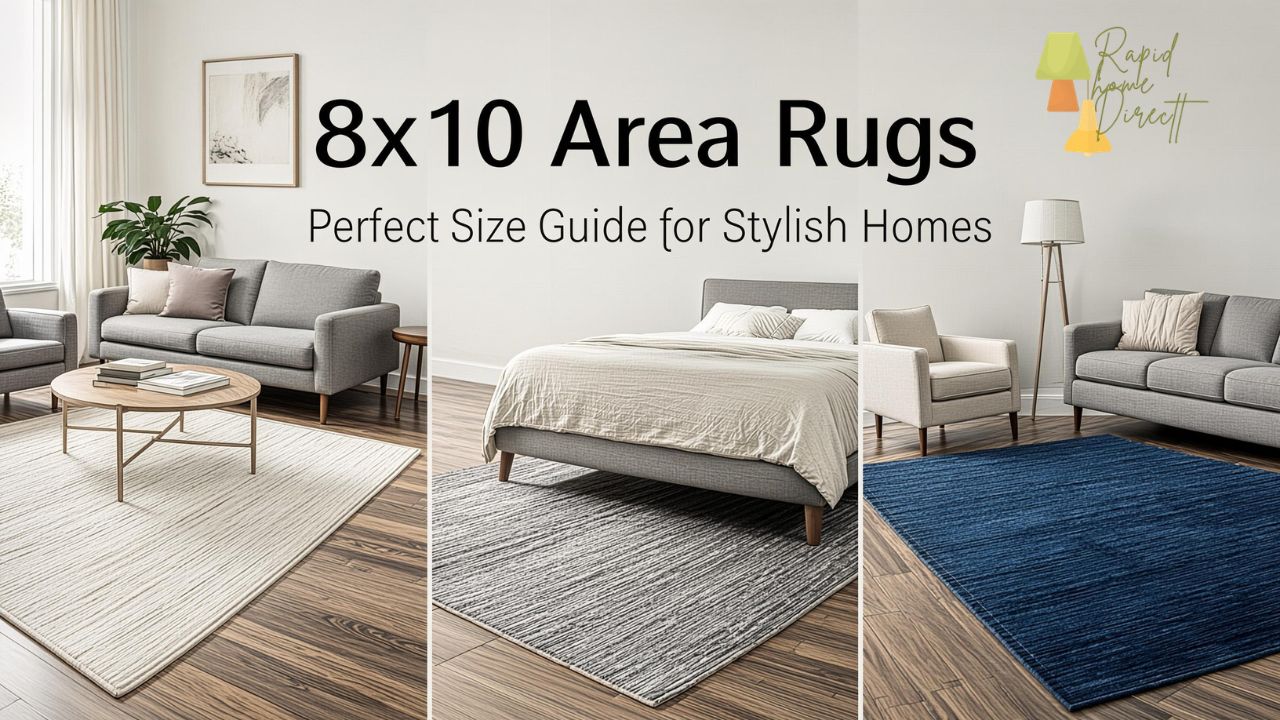
There’s a moment when a room just clicks—when everything feels balanced, cozy, and complete. Surprisingly, that moment often comes down to one detail: the rug. And more specifically, 8×10 area rugs.
If you’ve ever struggled with a room that feels slightly off—too empty, too cold, or just not “put together”—you’re not alone. The right rug size can fix that instantly. In reality, 8×10 area rugs hit that sweet spot between functionality and design, making them one of the most popular choices for modern homes.
Whether you’re redesigning your living room or refreshing a bedroom, understanding how to use this size effectively can completely transform your space.
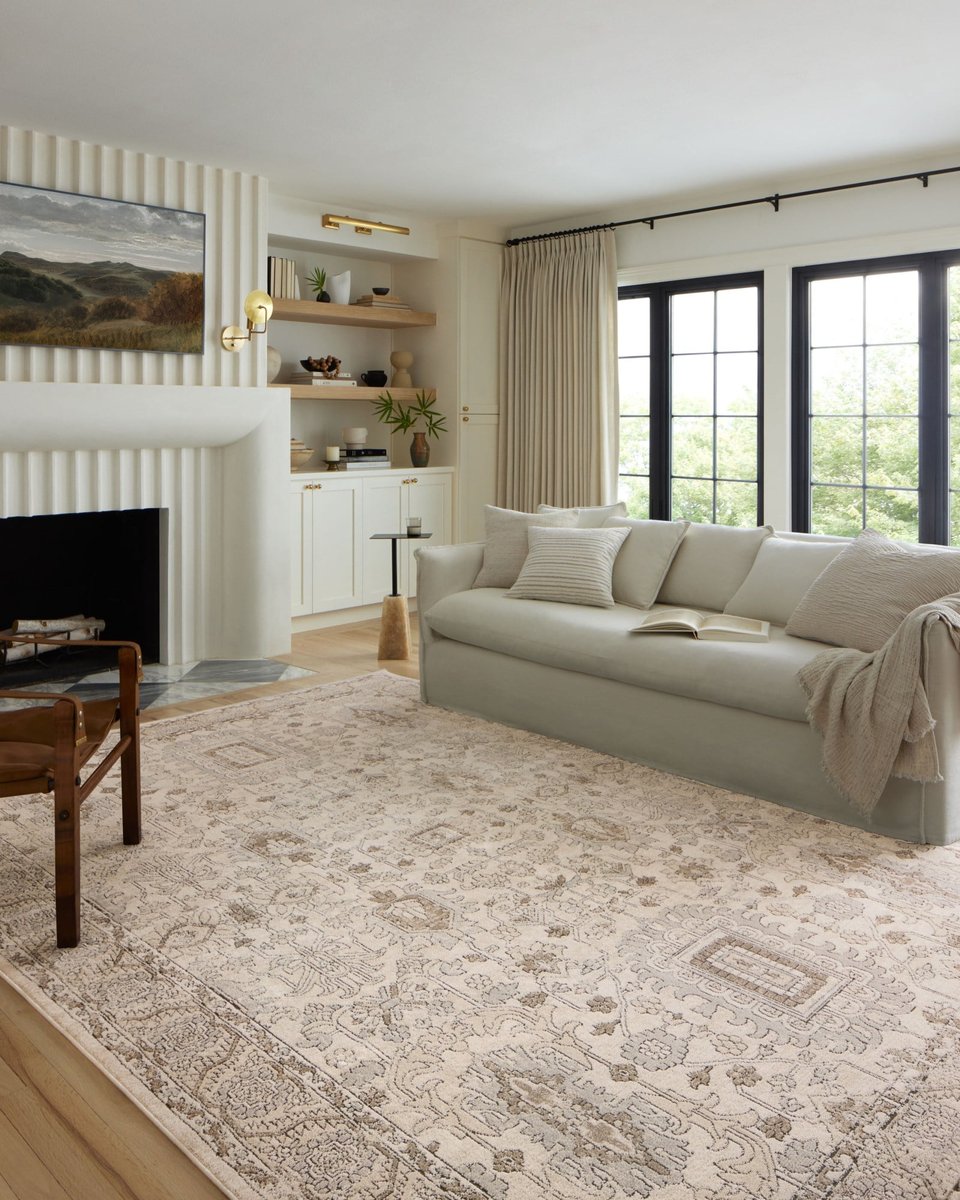
Table of Contents
Understanding 8×10 Area Rugs
Why 8×10 Area Rugs Are So Popular
Choosing the Right 8×10 Area Rugs for Your Space
Placement Guide for Different Rooms
Materials and Durability Explained
Design Trends and Styling Ideas
Budget and Buying Tips
Common Mistakes to Avoid
Personal Background & Industry Insights
FAQ Section
Conclusio
Understanding 8×10 Area Rugs
An 8×10 rug measures 8 feet by 10 feet—large enough to anchor furniture while still leaving visible flooring around the edges.
What Makes This Size Ideal?
- Works in medium to large rooms
- Fits under most furniture layouts
- Creates a balanced visual frame
Think of it as the “Goldilocks” of rugs—not too small, not too overwhelming.
Why 8×10 Area Rugs Are So Popular
Let’s be honest—size confusion is one of the biggest challenges when buying rugs.
Perfect Balance of Coverage
8×10 rugs cover enough area to define a space without making it feel cramped.
Versatility Across Rooms
They work beautifully in:
- Living rooms
- Bedrooms
- Dining areas
Interior Designer Favorite
Many designers recommend this size because it aligns well with standard furniture dimensions.
Choosing the Right 8×10 Area Rugs for Your Space
Not all rugs are created equal—even within the same size.
Consider Room Dimensions
Make sure your room can comfortably fit this size.
| Room Type | Ideal Use of 8×10 Rug |
|---|---|
| Living Room | Under sofa and chairs |
| Bedroom | Under bed |
| Dining Room | Under table |
Color and Pattern Selection
- Light tones: Make rooms feel larger
- Dark tones: Add warmth
- Patterns: Hide stains and add character
Lifestyle Factors
Have kids or pets? Choose:
- Stain-resistant materials
- Durable fibers
Placement Guide for Different Rooms
Placement is where most people get it wrong—but it’s also where the magic happens.
Living Room Layout
The most popular setup includes:
- Front legs of sofa and chairs on the rug
- Coffee table centered
Bedroom Placement
Place the rug:
- Under the bed
- Extending on both sides
Dining Room
Ensure the rug extends beyond chairs, even when pulled out.

Materials and Durability Explained
The material you choose affects comfort, maintenance, and lifespan.
Natural Fibers
- Wool: Soft and durable
- Cotton: Lightweight and affordable
- Jute: Eco-friendly
Synthetic Options
- Polyester: Budget-friendly
- Nylon: Strong and resilient
- Polypropylene: Stain-resistant
Material Comparison Table
| Material | Durability | Comfort | Maintenance |
|---|---|---|---|
| Wool | High | High | Medium |
| Cotton | Medium | Medium | Easy |
| Synthetic | High | Medium | Easy |
Design Trends and Styling Ideas
Interior trends change, but rugs remain a core element.
Current Trends
- Neutral palettes
- Vintage-inspired patterns
- Layered rugs
- Textured designs
Creative Styling Ideas
- Pair rugs with matching cushions
- Layer smaller rugs on top
- Use bold patterns as focal points
Real-Life Example
Imagine a neutral living room with a beige sofa. Add a patterned rug, and suddenly the space feels complete and alive.
Budget and Buying Tips
Buying a rug doesn’t have to break the bank.
Price Ranges
- Budget: $100–$300
- Mid-range: $300–$800
- Premium: $800+
Smart Buying Tips
- Look for seasonal sales
- Compare materials carefully
- Read reviews before buying
Common Mistakes to Avoid
Even experienced decorators slip up here.
1. Choosing the Wrong Size
Too small rugs disrupt the flow.
2. Ignoring Placement
Poor placement reduces visual impact.
3. Overlooking Maintenance
Some rugs require more care than others.
4. Matching Everything
Too much coordination can look dull.
Personal Background & Industry Insights
Interior design has evolved into a blend of creativity and practicality. Many professionals started by experimenting with simple elements like rugs and layouts.
Career Journey
- Starting with DIY projects
- Learning spatial planning
- Working with clients
- Building design expertise
Achievements
- Transforming spaces efficiently
- Enhancing comfort and style
- Increasing property value
Financial Insights
Interior designers typically earn:
- $50,000 to $150,000 annually
- Top designers earn significantly more
Interestingly, rugs are often the first upgrade recommended in design consultations.
FAQ Section
What rooms are best for 8×10 rugs?
Living rooms, bedrooms, and dining areas benefit most from this size.
How do I place an 8×10 rug in a living room?
Place furniture partially or fully on the rug for balance.
Are 8×10 rugs too big for small rooms?
They can be, so measure your space first.
What material is best for durability?
Wool and synthetic fibers are highly durable.
How often should I clean my rug?
Vacuum weekly and deep clean every 6–12 months.
Can I use an 8×10 rug under a dining table?
Yes, as long as it extends beyond the chairs.
Do rugs make rooms look bigger?
Yes, especially when properly placed.
Are patterned rugs better than plain ones?
Depends on your style—patterns add character, plain rugs keep things minimal.
Conclusion
8×10 area rugs are more than just floor coverings—they’re the foundation of a well-designed room. They bring warmth, define spaces, and tie everything together in a way that feels effortless.
That said, the key isn’t just choosing the right rug—it’s knowing how to use it. When you get that balance right, your space doesn’t just look better—it feels better too.