Introduction
It’s funny how one small change can completely transform a space—and in many bathrooms, that change starts with shower curtains. You might not think much about them at first, but the moment you swap out an old, dull curtain for something fresh and stylish, the entire room feels different.
Shower curtains aren’t just practical barriers to keep water where it belongs—they’re a major design element. They set the tone, add personality, and even influence how spacious or cozy your bathroom feels.
If you’ve ever struggled to choose the right one—or ended up with a curtain that looked great but didn’t last—this guide is for you. Let’s explore how to pick the perfect option that balances style, durability, and everyday convenience.
Table of Contents
What Are Shower Curtains?
Types of Shower Curtains
Materials Used in Shower Curtains
How to Choose the Best Shower Curtains
Benefits of High-Quality Shower Curtains
Styling Tips for Shower Curtains
Personal Experience with Bathroom Makeover
Common Mistakes to Avoid
Future Trends in Shower Curtains
FAQ
Conclusion
What Are Shower Curtains?

Definition and Purpose
Shower curtains are waterproof or water-resistant fabric or plastic panels designed to:
- Prevent water from splashing outside the shower area
- Provide privacy
- Enhance bathroom aesthetics
They hang from a rod and can be easily replaced, making them one of the most flexible decor elements in your home.
Why They Matter More Than You Think
In reality, bathrooms are often overlooked when it comes to design. However, something as simple as shower curtains can:
- Instantly upgrade the look
- Add color or texture
- Make small spaces feel larger
Types of Shower Curtains

Fabric Shower Curtains
These are popular for their:
- Soft, elegant look
- Variety of designs
- Washable material
However, they usually require a liner.
Vinyl and Plastic Curtains
- Waterproof by design
- Affordable
- Easy to clean
But they may lack the premium feel of fabric.
Hookless Shower Curtains
A modern innovation, these:
- Slide easily onto rods
- Simplify installation
- Offer a sleek appearance
Decorative Curtains
Designed for style, these curtains:
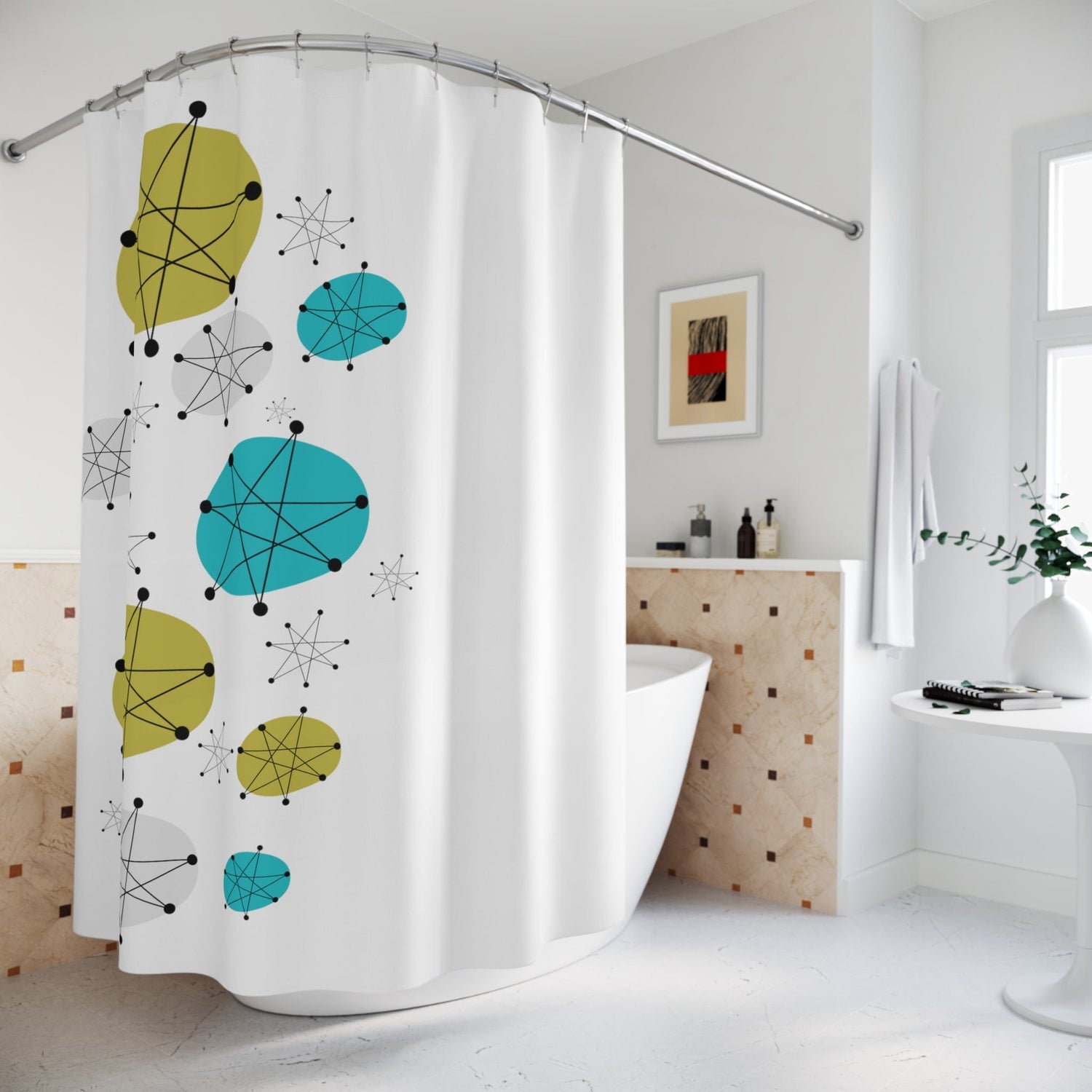
- Feature bold prints
- Add personality
- Complement bathroom themes
Materials Used in Shower Curtains

Common Materials
- Polyester: Durable and widely used
- Cotton: Soft but requires liner
- Vinyl (PVC): Fully waterproof
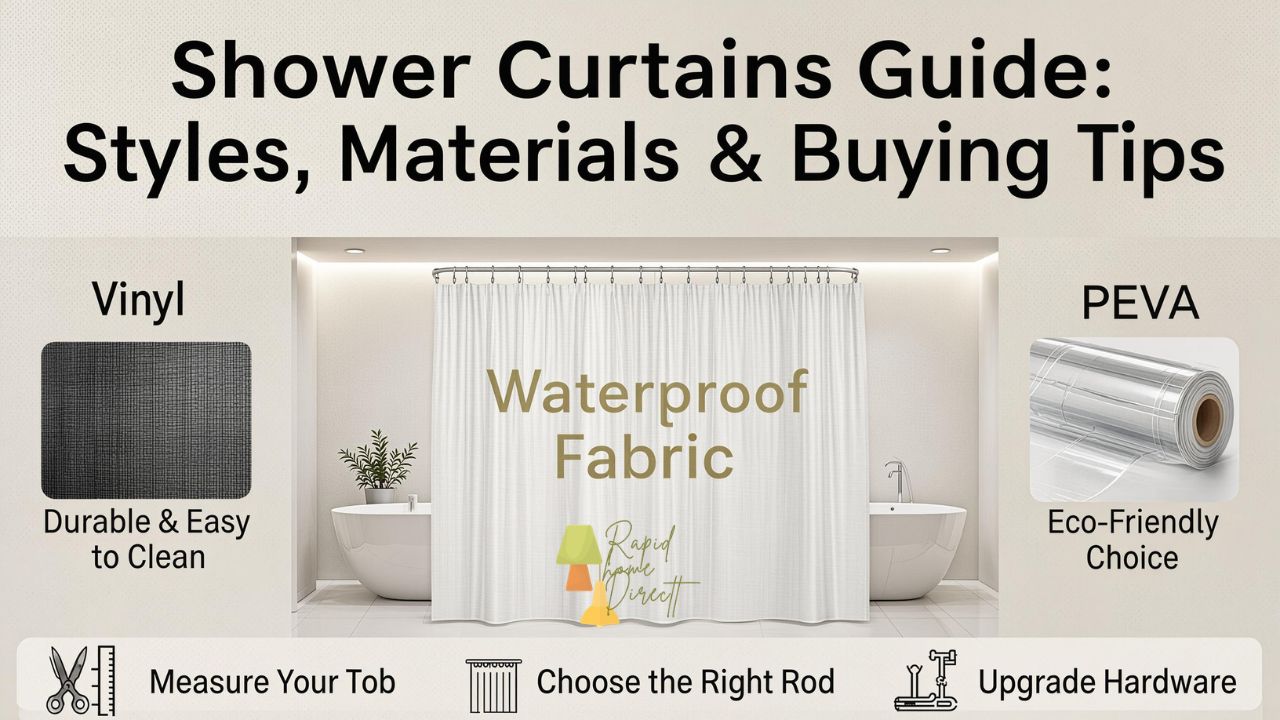
- PEVA/EVA: Eco-friendly alternatives
Material Comparison Table
| Material | Waterproof | Durability | Maintenance |
|---|---|---|---|
| Polyester | Moderate | High | Easy |
| Cotton | Low | Medium | Medium |
| Vinyl | High | Medium | Easy |
| PEVA/EVA | High | High | Easy |
How to Choose the Best Shower Curtains

Size and Fit
Always measure your shower area:
- Standard size: 72 x 72 inches
- Extra-long options available
Design and Color
Choose based on your bathroom style:
- Light colors → Make space feel bigger
- Dark colors → Add drama and contrast
Functionality
Consider:
- Water resistance
- Ease of cleaning
- Durability
Budget Considerations
Prices vary widely, but investing in quality often means:
- Longer lifespan
- Better performance
Benefits of High-Quality Shower Curtains

Water Protection
Good shower curtains:
- Prevent leaks
- Protect floors
Improved Hygiene
Quality materials resist:
- Mold
- Mildew
Aesthetic Upgrade
A stylish curtain can:
- Redefine your bathroom
- Add personality
Styling Tips for Shower Curtains
Match with Accessories
Coordinate your curtain with:
- Towels
- Bath mats
- Wall decor
Use Patterns Wisely
Patterns can:
- Add depth
- Create focal points
Keep It Balanced
Avoid overwhelming small bathrooms with overly bold designs.
Personal Experience with Bathroom Makeover

I remember renovating a small guest bathroom. Everything was clean and functional—but something felt off. It lacked personality.
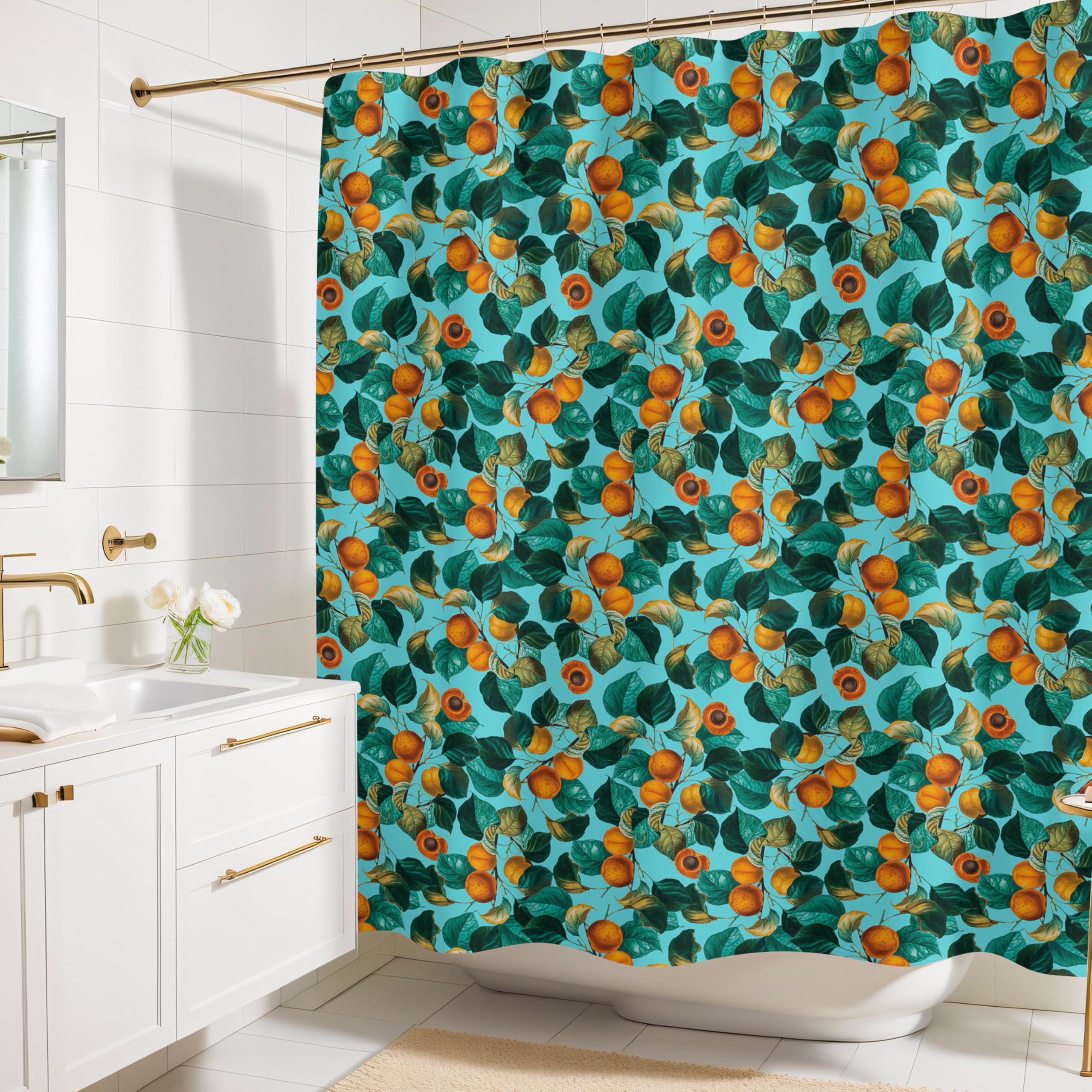
Then I replaced the old curtain with a bold patterned one. That single change completely transformed the space. It felt lively, welcoming, and surprisingly more spacious.
hat’s when I realized the true power of shower curtains—they’re not just accessories; they’re statement pieces.
Common Mistakes to Avoid
Ignoring Liners
Fabric curtains need liners for proper water protection.
Choosing the Wrong Size
Too short or too narrow curtains look awkward and ineffective.
Overlooking Maintenance
Some materials require more care than others.
Future Trends in Shower Curtains
Eco-Friendly Options
Sustainability is shaping the market:
- Recyclable materials
- Non-toxic fabrics
Smart Bathroom Integration
Future designs may include:
- Antibacterial coatings
- Water-repellent technology
Minimalist Designs
Clean, simple styles are becoming increasingly popular.
FAQ
What are shower curtains made of?
They are made from materials like polyester, cotton, vinyl, or eco-friendly PEVA.
Do I need a liner with shower curtains?
Yes, especially with fabric curtains, to prevent water leakage.
How often should I replace shower curtains?
Every 6–12 months depending on usage and maintenance.
Can shower curtains be washed?
Yes, most fabric curtains are machine washable.
Are plastic shower curtains safe?
PEVA options are safer alternatives to traditional PVC.
What size shower curtain should I buy?
Standard size is 72 x 72 inches, but measure your space first.
How do I prevent mold on shower curtains?
Keep them dry and clean regularly.
Are expensive shower curtains worth it?
Higher-quality options offer better durability and design.
Conclusion
Bathrooms might be one of the smallest spaces in your home, but they have a huge impact on your daily routine. And surprisingly, shower curtains play a major role in shaping that experience.
From functionality to style, the right choice can completely transform your space—making it feel cleaner, brighter, and more inviting. Whether you prefer bold designs or subtle elegance, investing in the right curtain is always worth it.
Because sometimes, it’s the simplest changes that make the biggest difference.