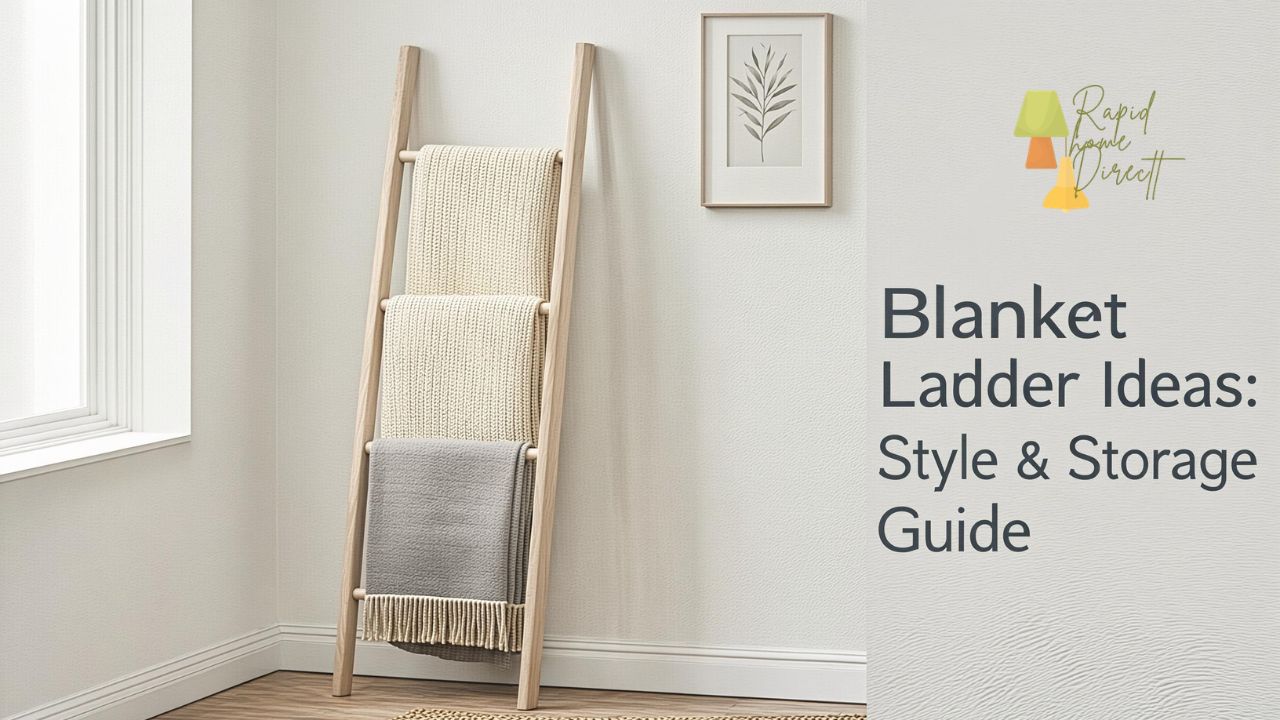
There’s something quietly charming about walking into a room and spotting a cozy throw draped perfectly over a blanket ladder. It feels intentional. Warm. Effortlessly styled.
A blanket ladder may look simple at first glance, but it’s one of those rare decor pieces that merges beauty and practicality. It organizes throws, quilts, and even towels while adding vertical interest to otherwise empty walls.
In reality, this versatile home accent has become a staple in modern farmhouse, rustic, and minimalist interiors. And the best part? It doesn’t require drilling, complicated installation, or bulky storage units.

Table of Contents
Why a Blanket Ladder Works in Modern Interiors
Types of Blanket Ladder Designs
Materials and Build Quality
How to Choose the Right Blanket Ladder
Styling a Blanket Ladder Like a Designer
Placement Ideas for Every Room
Infographic: Blanket Ladder Buying Checklist
Personal Background: Designers Who Popularized the Trend
Frequently Asked Questions
Conclusion
Why a Blanket Ladder Works in Modern Interiors
Interior design is all about layers—textures, heights, and dimensions. A blanket ladder introduces vertical balance without crowding floor space.
Unlike traditional shelving, it leans gently against a wall, creating visual interest without overwhelming the room. Designers often use ladders to soften large empty walls or add warmth to minimalist layouts.
According to home decor trend reports, small-scale functional accents have surged in popularity over the last decade. Consumers increasingly favor pieces that offer storage without bulky cabinetry. The blanket ladder fits this need perfectly.
Types of Blanket Ladder Designs
Not all ladders are created equal. Understanding the variety helps narrow down your ideal choice.
Traditional Wooden Ladder
Crafted from solid wood, these designs emphasize rustic warmth and farmhouse appeal.
Modern Minimalist Ladder
Slim profiles with matte finishes complement contemporary spaces.
Industrial Metal Ladder
Combines wood and metal for an urban, loft-inspired look.
Decorative Painted Ladder
Features distressed finishes or bold colors for statement styling.
Each style reflects a different personality and decor philosophy.
Materials and Build Quality
Durability matters, especially if you plan to hang heavy quilts.
Solid Wood
Oak, pine, and walnut offer strength and longevity.
Engineered Wood
More affordable and lightweight, suitable for decorative throws.
Metal Frames
Provide industrial appeal and added sturdiness.
| Material | Durability | Style Appeal | Ideal Use |
|---|---|---|---|
| Solid Wood | High | Warm & Rustic | Living rooms |
| Engineered Wood | Moderate | Modern | Apartments |
| Metal | High | Industrial | Loft spaces |
Selecting quality materials ensures your blanket ladder remains stable and safe.
How to Choose the Right Blanket Ladder
Choosing the right ladder involves more than aesthetics.
Height and Width
Standard heights range from 4 to 6 feet. Ensure proportions suit your ceiling height.
Weight Capacity
Check manufacturer guidelines if hanging heavier blankets.
Finish and Tone
Match with existing furniture finishes for cohesive styling.
Stability
Rubber grips or anti-slip pads prevent wall scratches.
A well-chosen ladder complements your room rather than dominating it.
Styling a Blanket Ladder Like a Designer
Styling makes all the difference.
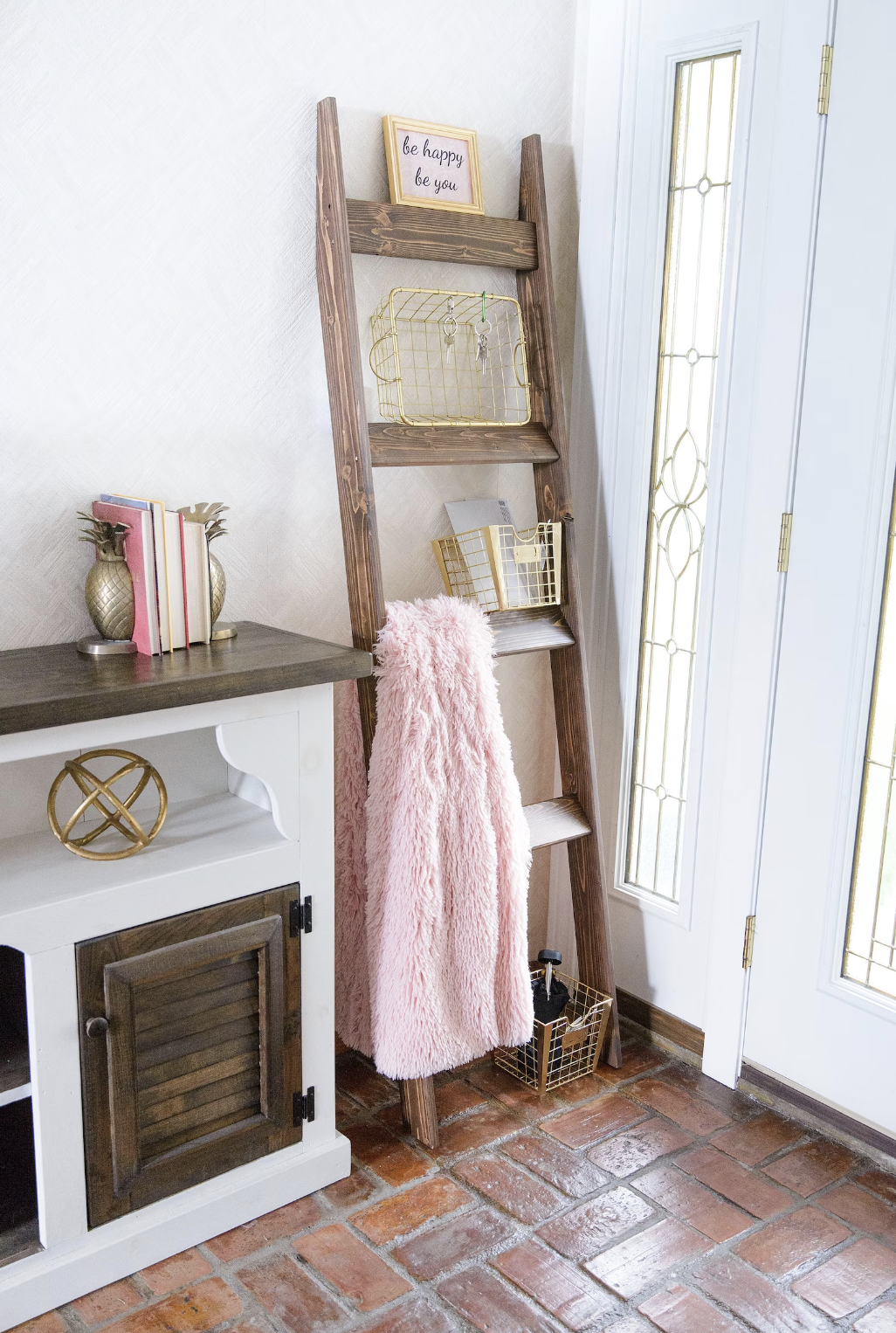
- Drape blankets loosely for casual elegance.
- Mix textures—knits, faux fur, woven cotton.
- Add seasonal throws for easy decor refresh.
- Incorporate fairy lights for subtle warmth.

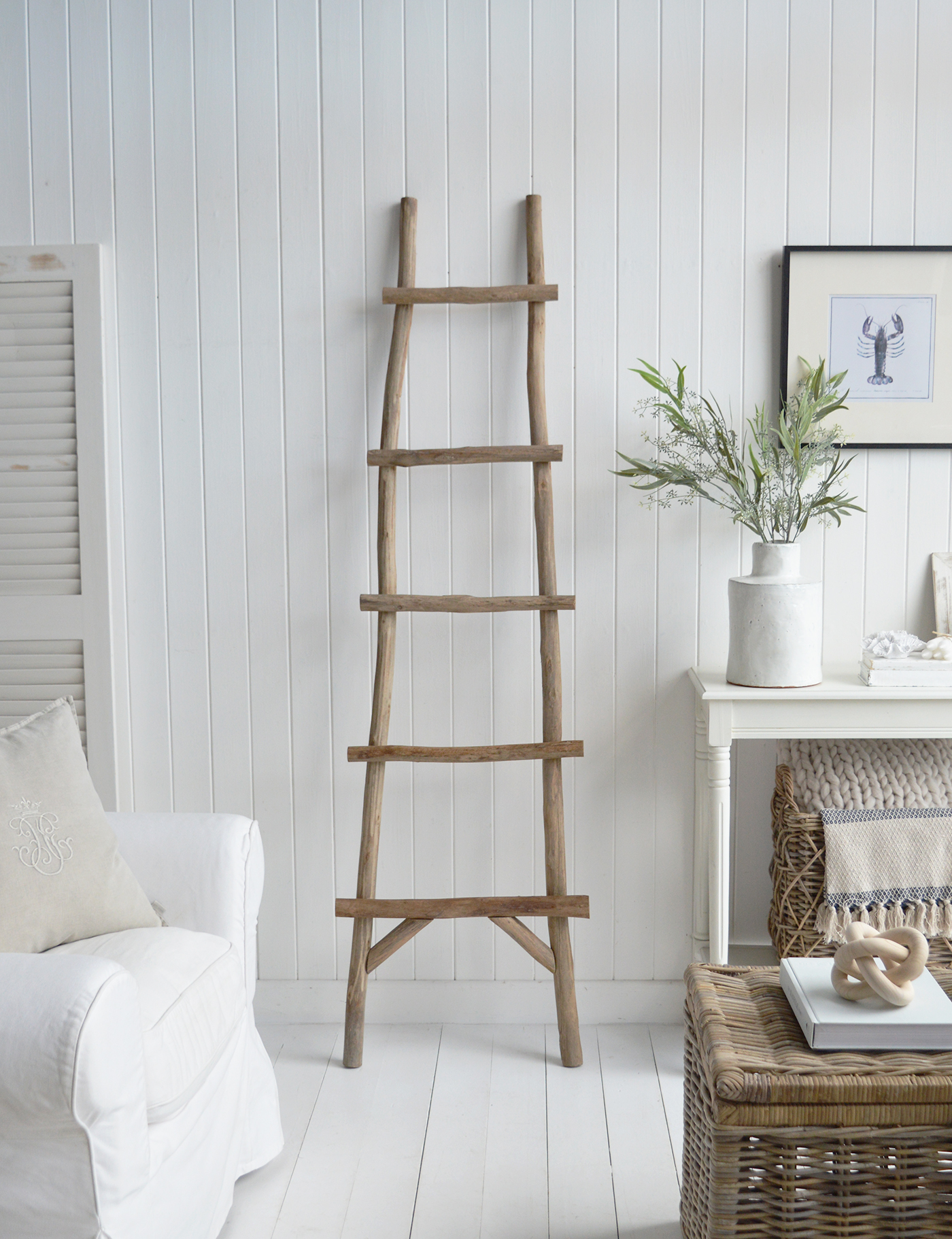
The key is layering without overcrowding. Leave space between rungs for visual breathing room.
Placement Ideas for Every Room
Living Room
Position beside sofas to keep throws accessible.
Bedroom
Use near the bed for decorative quilts.
Bathroom
Hang towels for spa-inspired ambiance.
Entryway
Display scarves during winter months.
Strategic placement enhances both functionality and decor flow.
Infographic: Blanket Ladder Buying Checklist
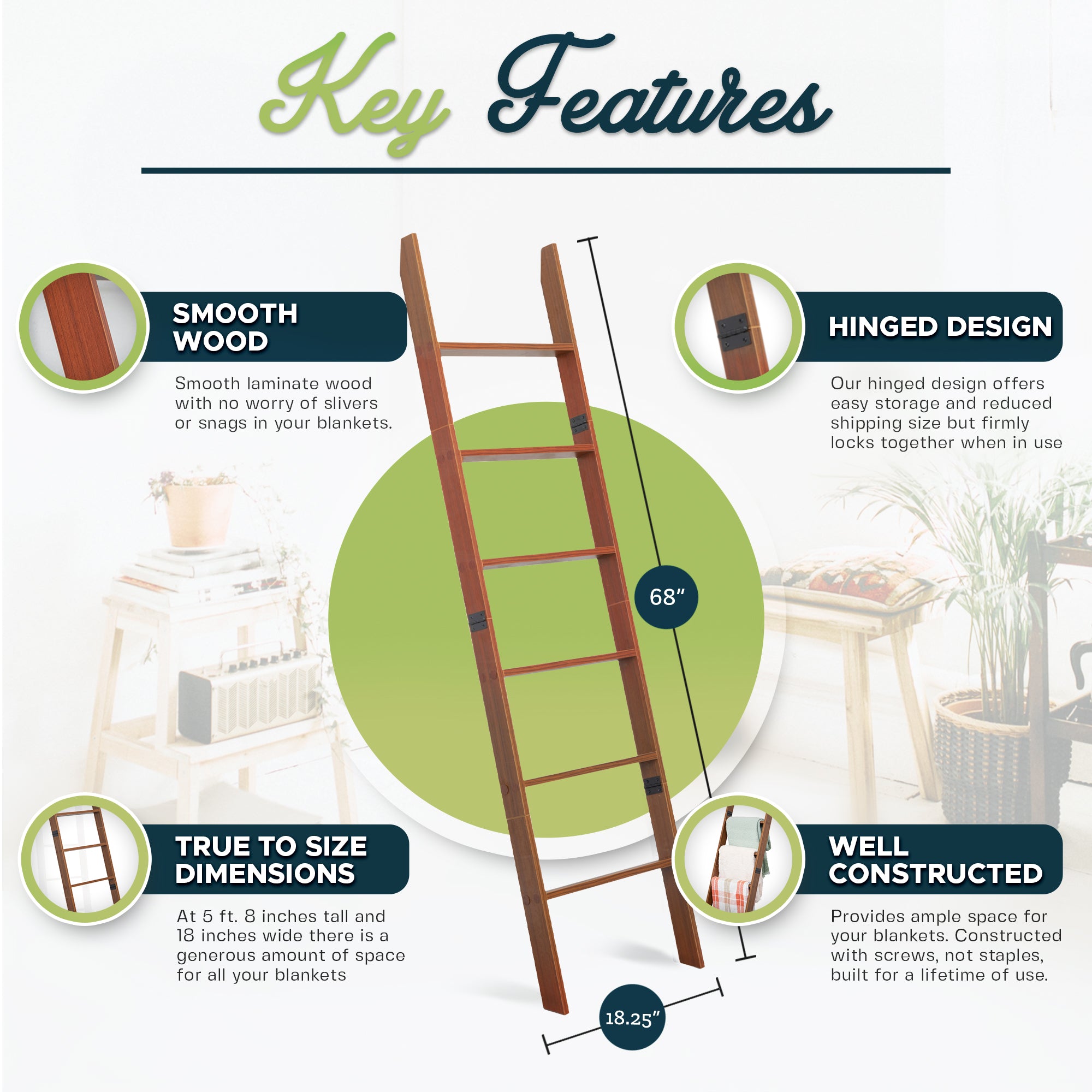
Quick Checklist:
✔ Measure wall height
✔ Confirm weight capacity
✔ Match finish to furniture
✔ Ensure stable base
✔ Plan styling layout
Personal Background: Designers Who Popularized the Trend
The rise of the blanket ladder trend can be traced to farmhouse-style influencers and interior designers who championed cozy, layered aesthetics. Designers like Joanna Gaines showcased leaning ladders as decorative storage solutions, blending rustic charm with modern simplicity.
Through television and lifestyle brands, these designers built multi-million-dollar home decor empires centered on functional beauty. Their influence shifted consumer preferences toward pieces that feel intentional yet approachable.
This shift highlights a broader trend: homeowners value decor that balances comfort, storage, and visual harmony.
Frequently Asked Questions
What is a blanket ladder used for?
It stores and displays blankets, quilts, and throws in a stylish way.
Is a blanket ladder safe?
Yes, when placed securely against a stable wall surface.
How many blankets can it hold?
Typically 3–5, depending on rung spacing.
Does it require installation?
No, most designs lean against the wall without drilling.
Can I use it in a bathroom?
Yes, it works well for towels.
What height is ideal?
4–6 feet suits most standard ceilings.
Are metal ladders durable?
Yes, especially for heavier textiles.
Is it suitable for small apartments?
Absolutely—it provides vertical storage without occupying floor space.
Conclusion
A blanket ladder may seem like a simple decor accessory, but its impact is undeniable. It organizes textiles, enhances visual interest, and introduces cozy charm to any room. By selecting the right material, size, and placement, you can elevate your interior effortlessly.
Sometimes, the most understated pieces create the most inviting spaces—and this decorative ladder is proof that functional storage can also be beautifully styled.