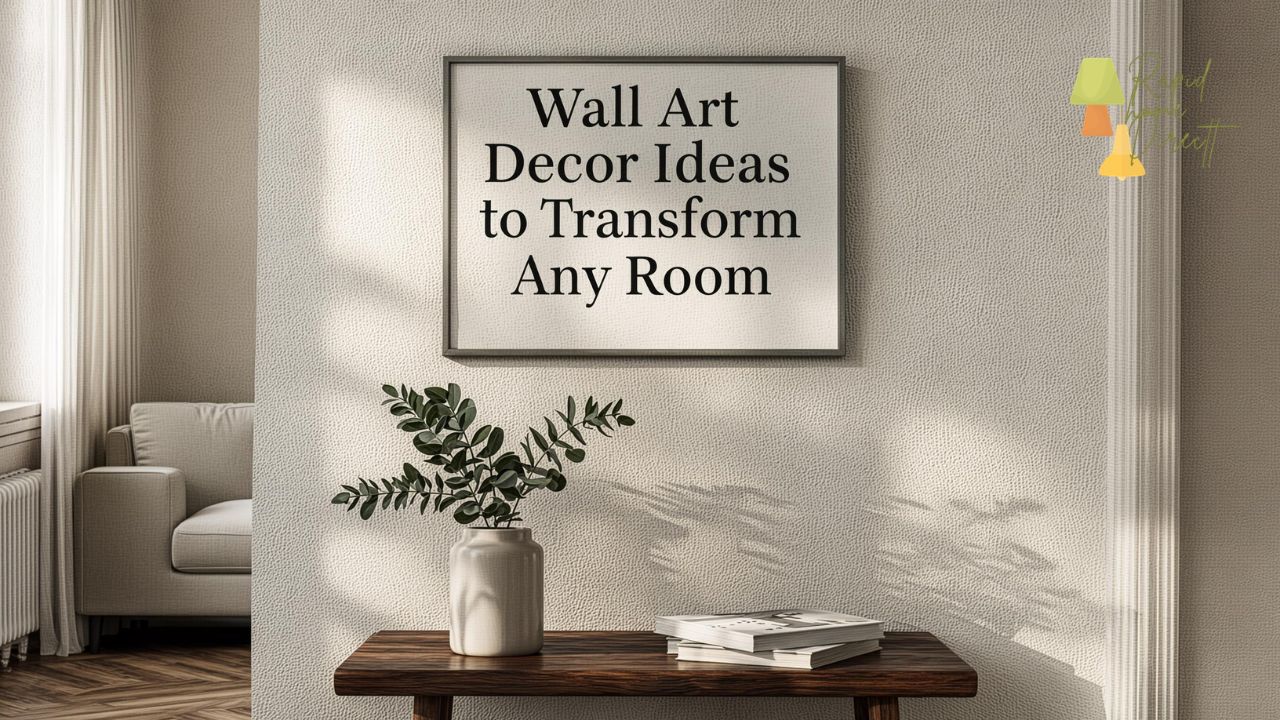
There’s something powerful about a blank wall. It holds potential—waiting for personality, color, and meaning. That’s where wall art decor comes in.
Wall art decor isn’t just about filling empty space. It’s about telling a story, reflecting your personality, and shaping the atmosphere of a room. A single framed piece can create calm. A bold gallery wall can energize a space instantly.
In reality, choosing the right artwork involves more than picking something pretty. Size, scale, placement, lighting, and theme all influence how your room feels. When done thoughtfully, wall styling becomes the defining element of your interior.
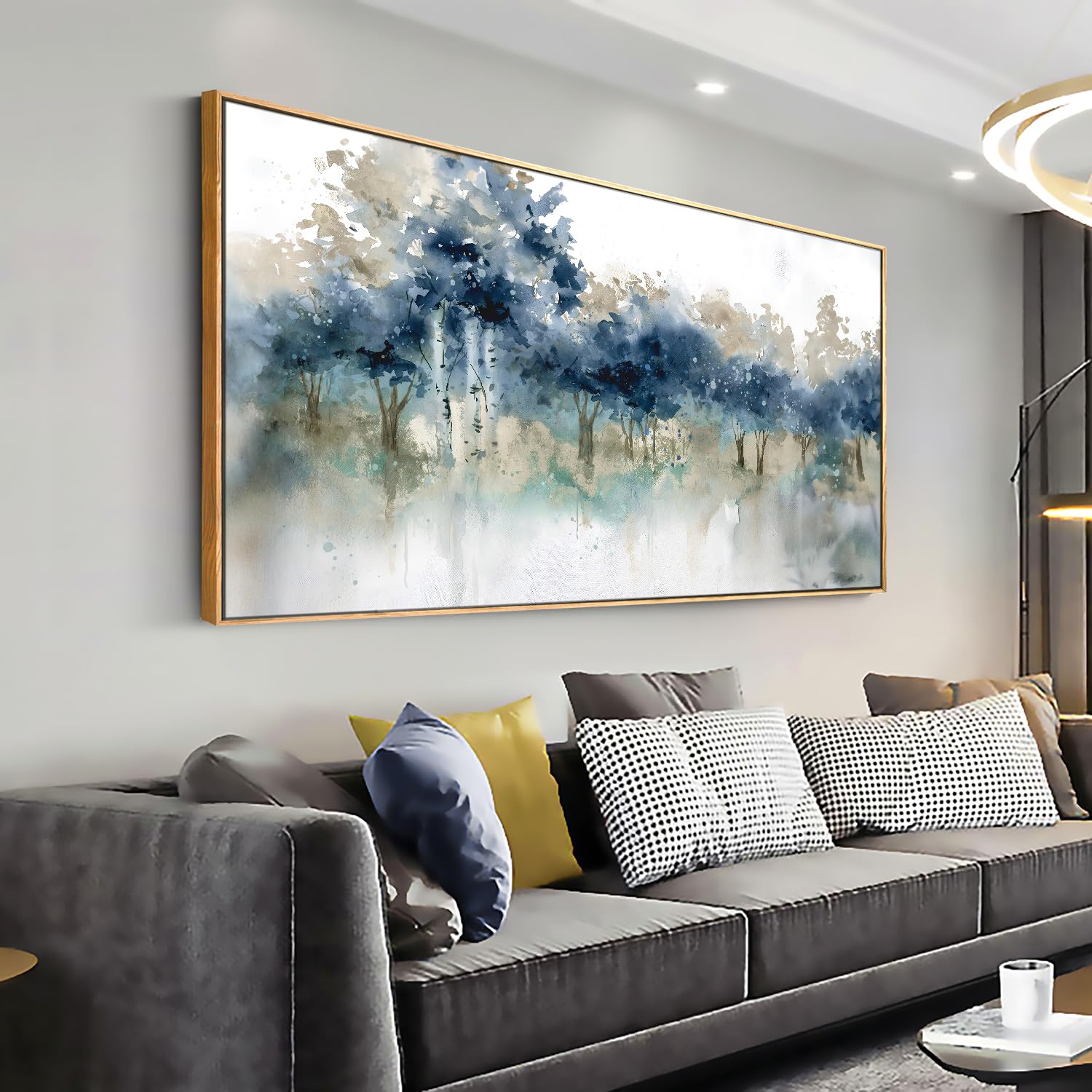
Table of Contents
Why Wall Art Decor Matters in Interior Design
Types of Wall Art Decor Styles
Choosing the Right Wall Art Decor for Your Space
Sizing, Placement, and Layout Tips
Wall Art Decor by Room
Trends in Modern Wall Art Decor
Infographic: Wall Art Decor Planning Checklist
Personal Background: Designers Who Elevated Wall Styling
Frequently Asked Questions
Conclusion
Why Wall Art Decor Matters in Interior Design
Interior design is not complete without visual storytelling. Furniture provides structure, but wall art decor provides emotion. It creates focal points, adds color layers, and ties different design elements together.
Studies in environmental psychology suggest that art influences mood and productivity. Calm landscapes can reduce stress, while vibrant abstract pieces stimulate creativity.
In many homes, walls represent the largest unused surface area. Decorating them effectively maximizes design impact without adding clutter.
Types of Wall Art Decor Styles
There are countless ways to approach wall styling.
Canvas Prints
Affordable and versatile, canvas prints suit modern interiors.
Framed Photography
Personal and meaningful, ideal for bedrooms or hallways.
Metal Art
Industrial-inspired and contemporary.
Wooden Wall Panels
Rustic and warm, adding texture and depth.
Tapestries
Soft textile art perfect for bohemian decor themes.
Sculptural Wall Pieces
Three-dimensional elements create visual intrigue.
Understanding these categories helps narrow down options.

Choosing the Right Wall Art Decor for Your Space
Selecting artwork requires balance.
Match the Color Palette
Complement or contrast with existing furniture tones.
Consider Theme
Abstract, nature-inspired, minimalist, or vintage—consistency matters.
Reflect Personal Taste
Your home should tell your story.
Think About Scale
Oversized art works well on large blank walls; smaller pieces suit gallery arrangements.
A thoughtfully selected piece elevates the room rather than overwhelming it.
Sizing, Placement, and Layout Tips
Proportion determines impact.
Eye-Level Placement
Art should generally hang 57–60 inches from the floor to its center.
Above Furniture
Leave 6–12 inches of space between furniture and artwork.
Gallery Wall Layout
Arrange frames on the floor first to experiment before mounting.
Symmetry vs. Asymmetry
Symmetrical layouts create formality; asymmetrical arrangements feel relaxed.
Correct placement ensures harmony within the room.
Wall Art Decor by Room

Living Room
Large statement pieces above sofas anchor seating areas.
Bedroom
Soft, calming artwork enhances relaxation.
Dining Room
Bold abstract pieces spark conversation.
Home Office
Motivational quotes or vibrant prints boost creativity.
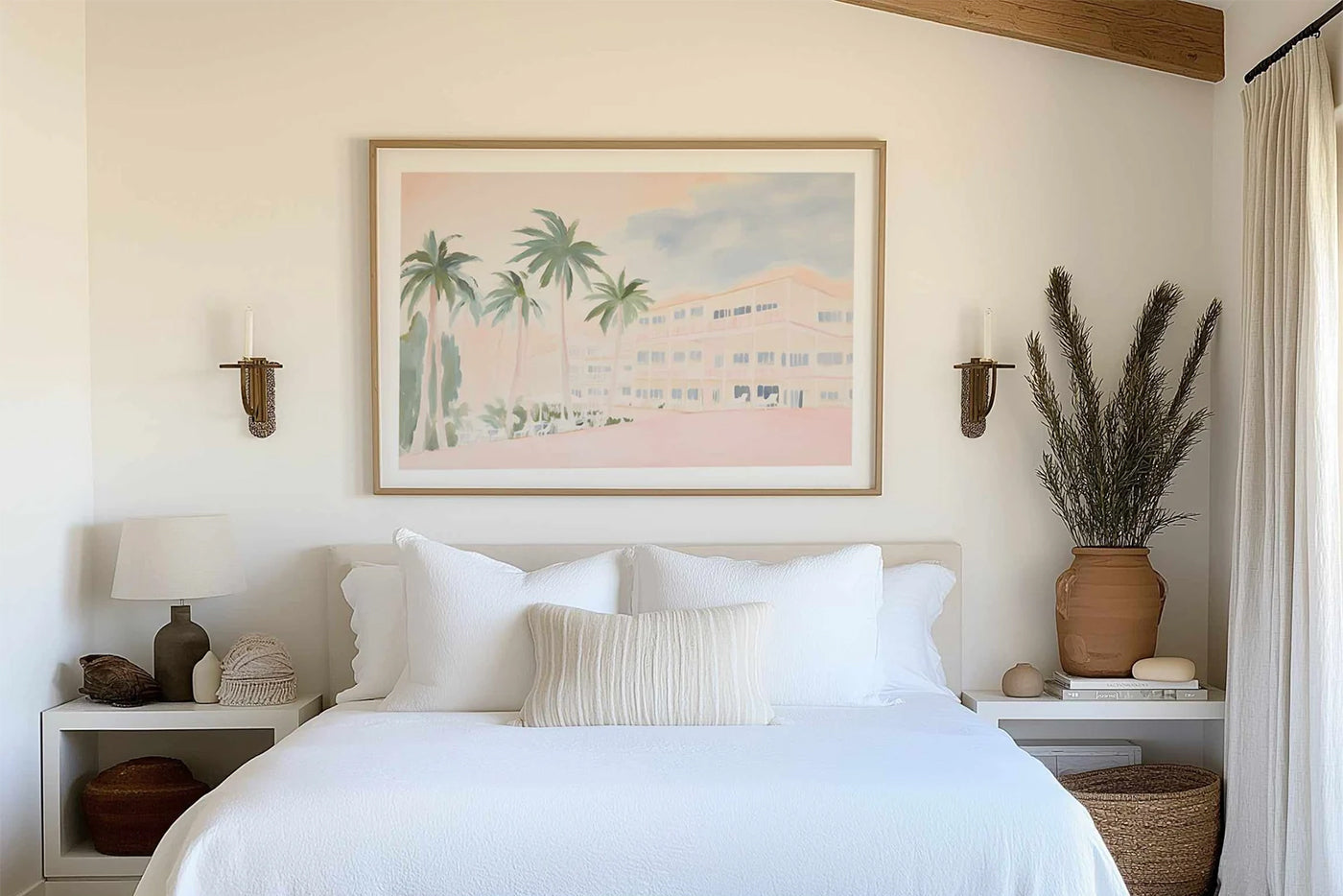
Matching artwork to room function enhances its effect.
Trends in Modern Wall Art Decor
Design trends evolve, but certain elements remain timeless.
Oversized Statement Pieces
Large-scale art creates drama.
Minimalist Black and White
Clean lines and neutral tones suit contemporary spaces.
Botanical Prints
Nature-inspired art adds freshness.
Textured Art
Layered materials like plaster and wood introduce depth.

According to interior design trend forecasts, textured and large-format pieces continue gaining popularity in modern homes.
Infographic: Wall Art Decor Planning Checklist


Planning Checklist:
✔ Measure wall dimensions
✔ Choose cohesive color palette
✔ Select appropriate scale
✔ Consider lighting
✔ Secure proper mounting hardware
Personal Background: Designers Who Elevated Wall Styling
Wall styling became a design focal point through influential interior designers who emphasized storytelling in homes. Joanna Gaines and Nate Berkus frequently incorporate curated art collections to personalize spaces.
These designers built successful lifestyle brands, generating multi-million-dollar revenues by teaching homeowners how to blend functionality with aesthetic storytelling. Their approach highlights how thoughtful wall art decor transforms interiors from generic to meaningful.
Their philosophy reinforces one essential idea: walls should express identity, not remain blank.

Frequently Asked Questions
How do I choose the right size?
Measure your wall and choose artwork covering about two-thirds of the furniture width below it.
Can I mix different art styles?
Yes, but maintain cohesive color or framing for harmony.
How high should I hang wall art?
Eye-level placement is typically best for balance.
Is a gallery wall outdated?
No, it remains popular when thoughtfully curated.
What lighting works best?
Soft, indirect lighting or picture lights enhance visibility.
Can large art make a small room feel bigger?
Yes, oversized pieces create depth and draw attention upward.
Should wall art match furniture?
It should complement rather than perfectly match.
Are framed prints better than canvas?
It depends on style preference and desired texture.
Conclusion
Wall art decor is more than decoration—it’s expression. It shapes atmosphere, enhances mood, and transforms blank walls into storytelling surfaces. By considering scale, placement, and personal taste, you can create a home that feels curated and authentic.
Sometimes, the difference between an ordinary room and an unforgettable one is simply what hangs on the wall.