Sometimes, a room doesn’t need a full makeover. It just needs one standout piece that quietly transforms everything around it. An accent cabinet has that kind of power. It can fill an empty wall, organize clutter, and introduce personality—all without overwhelming the space.
An accent cabinet is more than just storage furniture. It’s a design feature that blends practicality with style. Whether placed in a living room, hallway, bedroom, or dining area, it brings balance and visual interest to interiors of every size.
In modern homes where space and organization matter more than ever, choosing the right cabinet can make daily life easier while elevating the aesthetic of your entire home.

Table of Contents
Why an Accent Cabinet Enhances Interior Design
Popular Accent Cabinet Styles
Materials and Build Quality Explained
How to Choose the Right Accent Cabinet
Best Rooms for an Accent Cabinet
Storage Functionality and Organization Tips
Infographic: Accent Cabinet Buying Checklist
Personal Background: Designers Who Popularized Statement Storage
Frequently Asked Questions
Conclusion
Why an Accent Cabinet Enhances Interior Design
Interior design isn’t just about filling a room with furniture. It’s about layering elements that create depth and harmony. An accent cabinet does exactly that.
Visually, it introduces contrast—through bold colors, textured finishes, or decorative hardware. Functionally, it provides concealed storage that keeps spaces tidy.
According to recent home organization trends, multi-functional furniture pieces are among the most sought-after items in modern households. Homeowners increasingly prioritize furniture that combines storage and aesthetics. An accent cabinet meets both needs seamlessly.

Popular Accent Cabinet Styles
The beauty of this furniture piece lies in its versatility. There’s truly something for every design preference.
Modern Minimalist
Clean lines, smooth finishes, and neutral colors define minimalist cabinets. These pieces complement contemporary apartments and open-concept homes.
Mid-Century Modern
Featuring tapered legs and warm wood tones, mid-century designs bring retro charm into modern settings.
Rustic Farmhouse
Distressed wood finishes and sliding barn doors create warmth and texture.
Bohemian and Artistic
Intricate carvings, bold patterns, and vibrant colors make these cabinets conversation starters.
Industrial
Metal frames combined with reclaimed wood create urban appeal.
Each style reflects personality while fulfilling practical needs.
Materials and Build Quality Explained
Durability depends heavily on materials and construction methods.

Solid Wood
Strong and long-lasting. Ideal for homeowners seeking heirloom-quality pieces.
Engineered Wood (MDF)
Affordable and lightweight. Best for decorative use in low-traffic areas.
Metal Accents
Often used in industrial designs for strength and durability.
Glass Panels
Perfect for display cabinets showcasing curated decor.
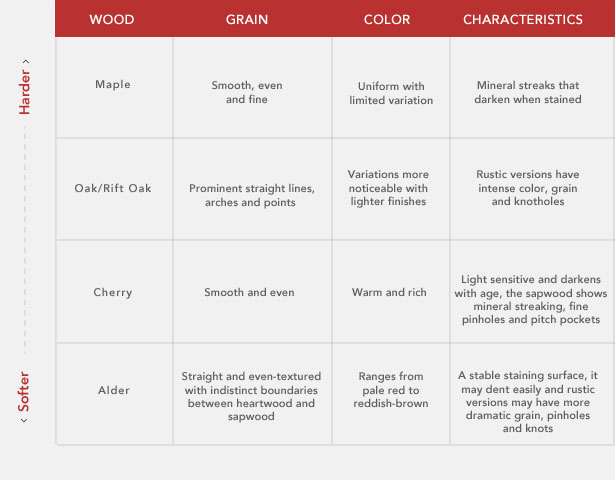
| Material | Strength | Maintenance | Price Range |
|---|---|---|---|
| Solid Wood | High | Moderate | High |
| MDF | Moderate | Easy | Low–Mid |
| Metal | High | Easy | Mid |
| Glass | Moderate | Careful cleaning | Mid |
Selecting high-quality construction prevents sagging shelves and door misalignment over time.
How to Choose the Right Accent Cabinet
Finding the perfect accent cabinet involves more than liking its appearance.
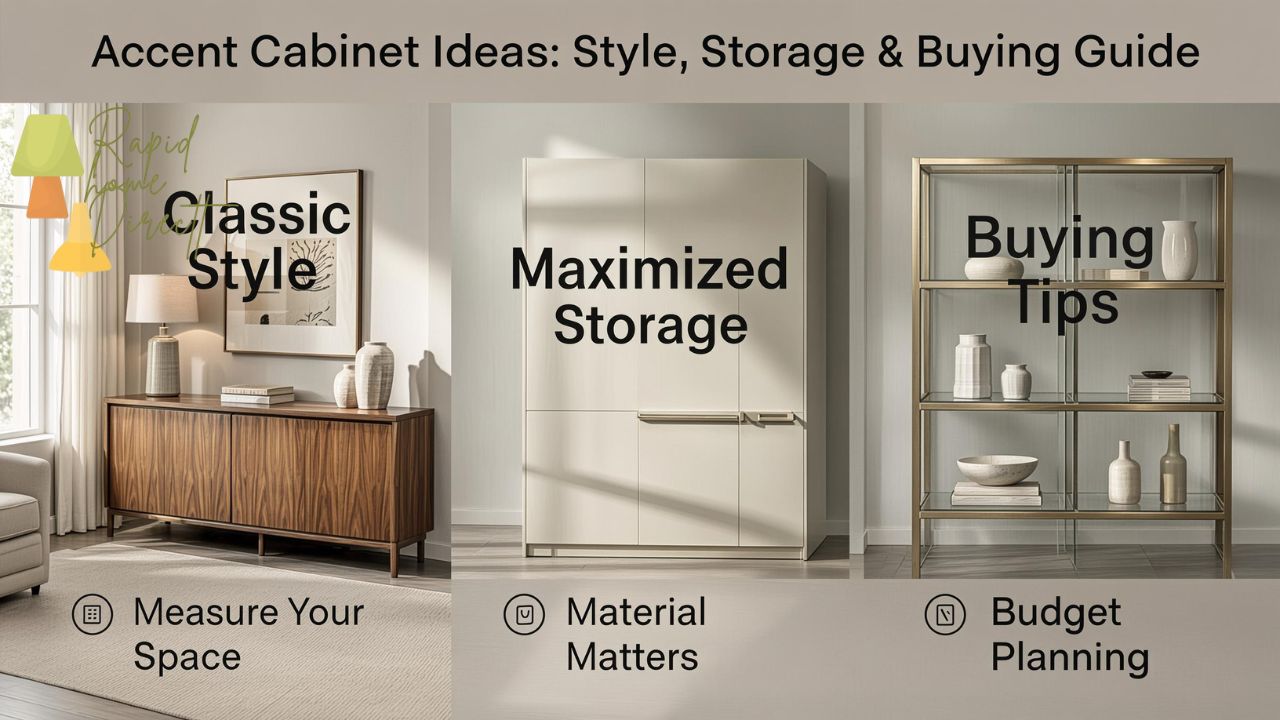
Measure Your Space
Ensure enough clearance for doors and walking space.
Determine Storage Needs
Do you need shelves, drawers, or adjustable compartments?
Consider Color and Finish
Neutral tones blend effortlessly. Bold hues create focal points.
Match Hardware and Details
Handles, knobs, and trim should complement existing decor.
Balance is key—your cabinet should enhance the room rather than overpower it.
Best Rooms for an Accent Cabinet
Versatility allows placement in multiple areas.
Living Room
Use it as a statement piece against a blank wall or beneath artwork.
Entryway
Store keys, mail, and everyday essentials while creating a welcoming first impression.
Dining Room
Functions as a compact sideboard for dishes and linens.
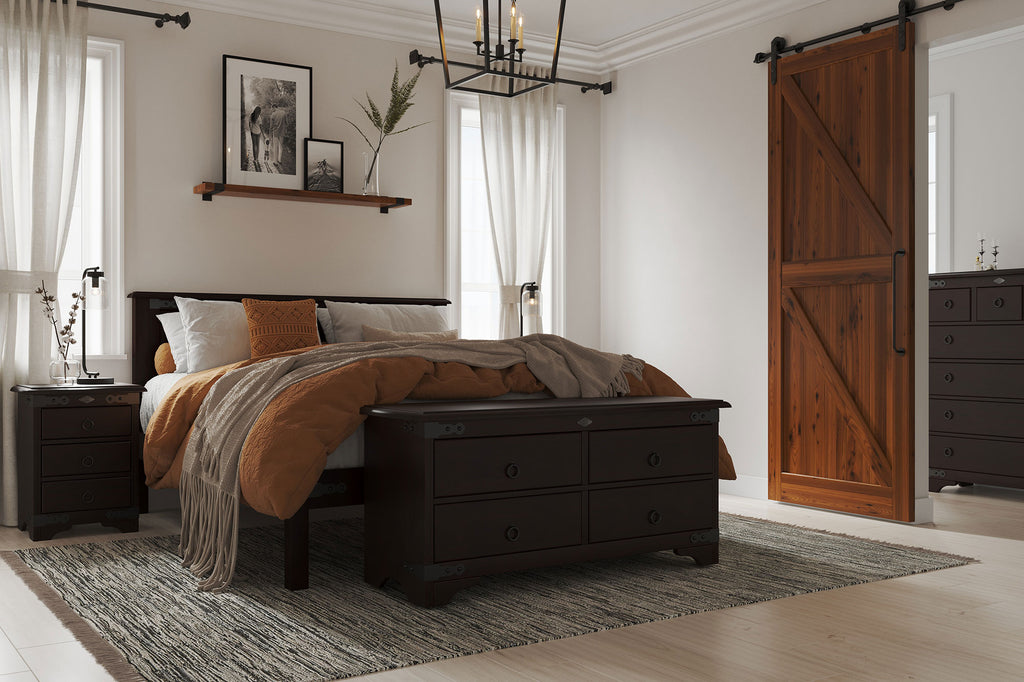
Bedroom
Acts as stylish additional storage for accessories and books.
Storage Functionality and Organization Tips
A well-organized cabinet maximizes its value.
- Use labeled baskets for smaller items.
- Add LED strip lighting inside display sections.
- Separate seasonal decor into storage bins.
- Install shelf liners for protection.
Thoughtful organization transforms clutter into curated storage.
Infographic: Accent Cabinet Buying Checklist
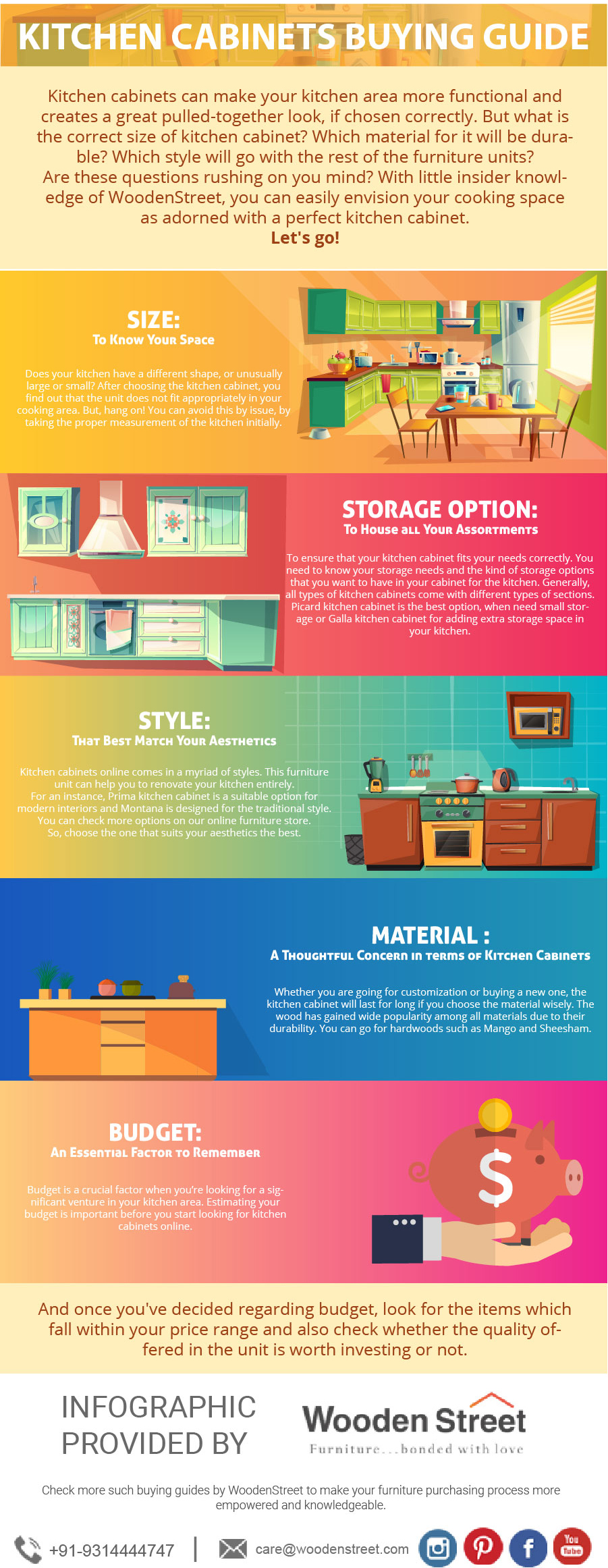
Quick Checklist:
✔ Confirm room measurements
✔ Check shelf weight capacity
✔ Inspect hinges and hardware
✔ Evaluate material durability
✔ Match overall decor theme
Personal Background: Designers Who Popularized Statement Storage
The modern emphasis on statement storage can be traced to influential interior designers such as Joanna Gaines and Nate Berkus. Their television appearances and lifestyle brands showcased how practical furniture can double as artful decor.
Joanna Gaines, through Magnolia, transformed farmhouse aesthetics into a multi-million-dollar brand empire. Similarly, Nate Berkus built a successful design business and retail collaborations centered on personalized interiors.
Their careers illustrate how furniture pieces like the accent cabinet evolved from simple storage units into intentional design statements that express individuality.

Frequently Asked Questions
What is an accent cabinet used for?
It provides decorative storage and enhances the aesthetic appeal of a room.
Can an accent cabinet support heavy items?
Solid wood models can, but always check manufacturer weight limits.
Is it suitable for small apartments?
Yes. Compact designs work perfectly in limited spaces.
What height is ideal?
Typically 30–40 inches for living rooms, but it varies by placement.
Can it function as a TV stand?
Some wide cabinets can double as media consoles.
Are glass-door cabinets practical?
Yes, especially for displaying books or decor, though they require regular cleaning.
What color works best?
Neutral wood tones or white offer versatility; bold colors create focal points.
How do I style the top surface?
Add lamps, plants, framed photos, or decorative trays for layered appeal.
Conclusion
An accent cabinet is more than a storage solution—it’s a design opportunity. It organizes your belongings while expressing your personal style. By selecting the right material, size, and placement, you can transform an overlooked corner into a focal point that adds warmth and character to your home.
Sometimes, the smallest addition creates the greatest impact—and often, that addition is a thoughtfully chosen cabinet.