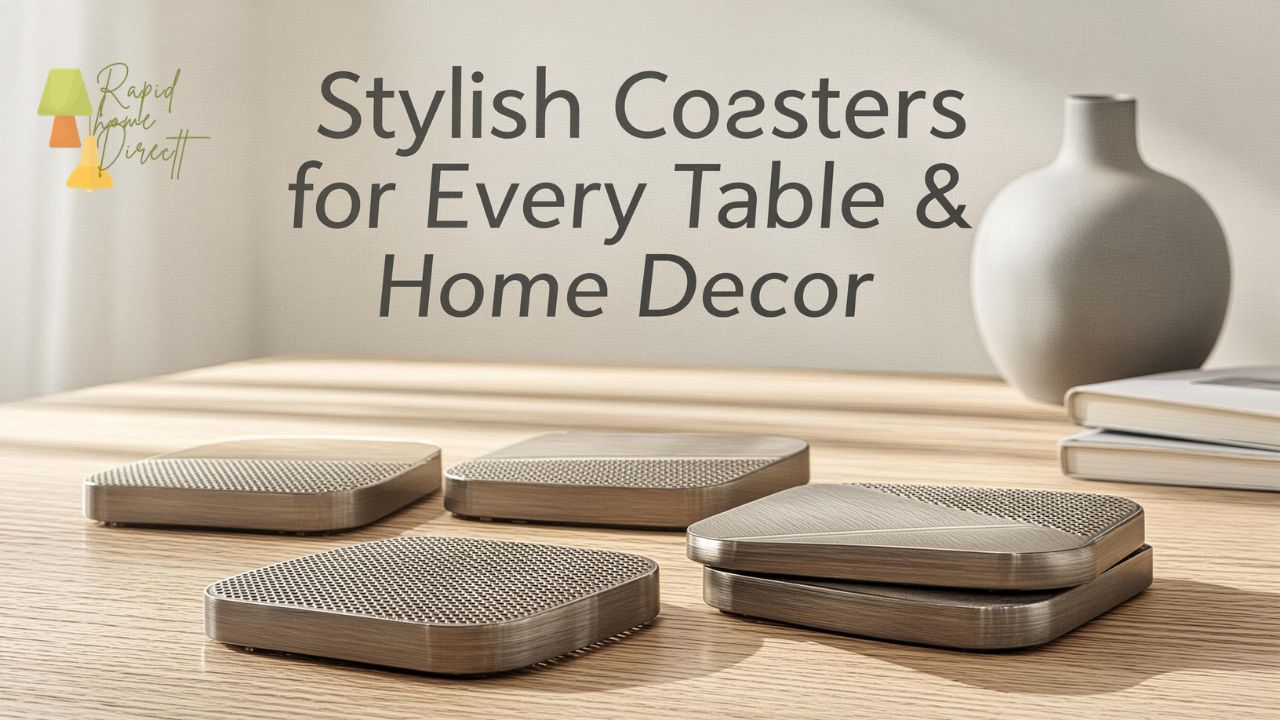
When was the last time you noticed a ring on your coffee table and felt that tiny wave of regret? It’s funny how something as small as coasters can quietly save your furniture—and your mood. They’re often overlooked, yet they play a powerful role in protecting surfaces while adding personality to a room.
In reality, coasters aren’t just practical accessories. They’re design details. From minimalist marble circles on a sleek dining table to vibrant ceramic pieces in a cozy kitchen, they subtly shape how a space feels. That’s why choosing the right style matters more than most people think.
If you care about home decor, entertaining guests, or simply keeping your favorite wooden table in perfect condition, understanding coasters is essential. This guide walks you through materials, styles, care tips, trends, and even the creative entrepreneurs who turned this humble item into a global design statement.
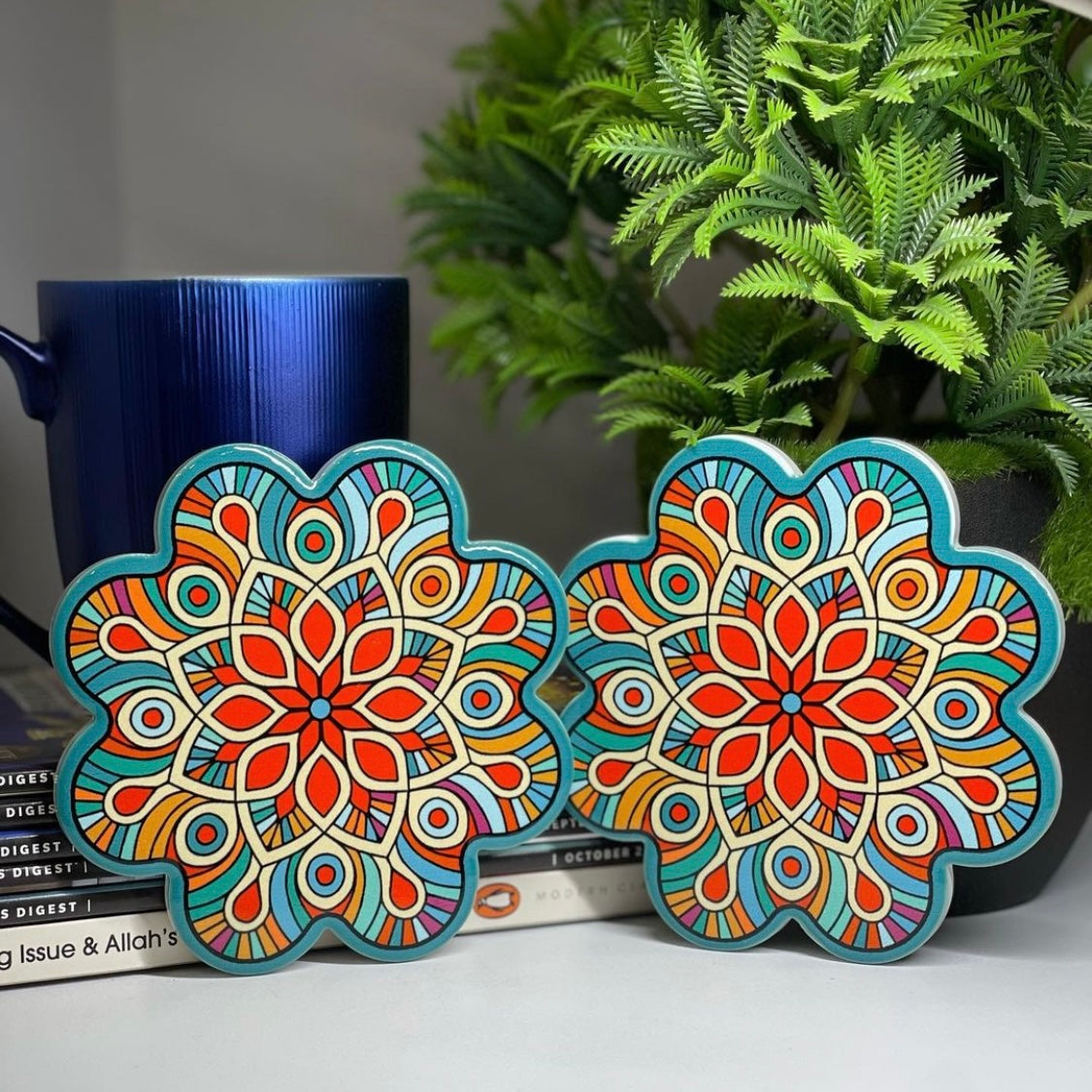
Table of Contents
Why Coasters Matter in Every Home
Types of Coasters by Material
How to Choose the Right Coasters
Coasters in Interior Design Trends
DIY and Custom Coasters
Care and Maintenance Guide
Personal Background: The Designers Behind the Trend
Frequently Asked Questions
Conclusion
Why Coasters Matter in Every Home
At first glance, coasters seem simple. But they solve three critical problems in modern households: moisture damage, heat exposure, and surface staining.
Wooden tables, especially oak and walnut, are highly sensitive to water rings. According to furniture restoration professionals, moisture marks are among the most common causes of refinishing jobs. Heat from mugs can also dull varnish and leave permanent impressions.
However, protection isn’t their only function. Coasters create visual anchors. They define where drinks belong on a table, helping keep spaces organized during gatherings. In open-concept homes, small accessories like these add layers of texture without cluttering surfaces.

Types of Coasters by Material
Different materials serve different lifestyles. Choosing the right type depends on usage, decor style, and maintenance preferences.
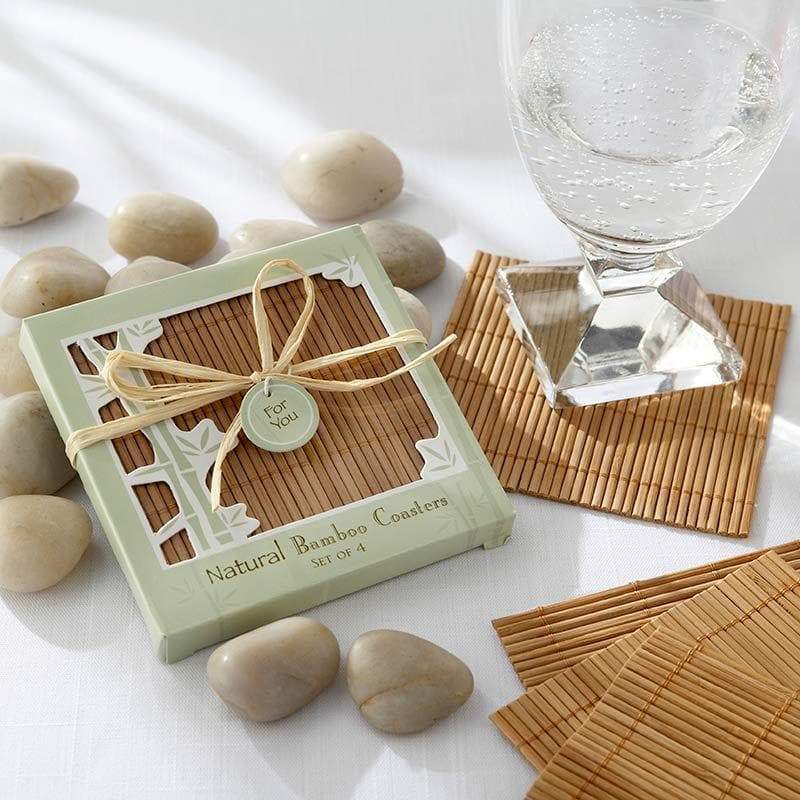
Wooden Coasters
Wooden coasters bring warmth and rustic charm. They’re ideal for farmhouse or Scandinavian interiors. However, they require sealing to prevent moisture absorption.
Pros:
- Natural aesthetic
- Durable
- Lightweight
Cons:
- Can stain if untreated
- May warp with excessive moisture
Marble and Stone
Stone coasters, particularly marble and slate, are popular in modern luxury interiors. They’re heavy, stable, and visually elegant.
Pros:
- Heat resistant
- Long-lasting
- Sophisticated look
Cons:
- Heavier
- Can scratch delicate glass if unpadded
Ceramic
Ceramic options often feature hand-painted designs. They absorb condensation well and double as decorative art pieces.
Cork
Cork is affordable and eco-friendly. It’s lightweight and naturally water-resistant, making it ideal for everyday use.
Silicone and Resin
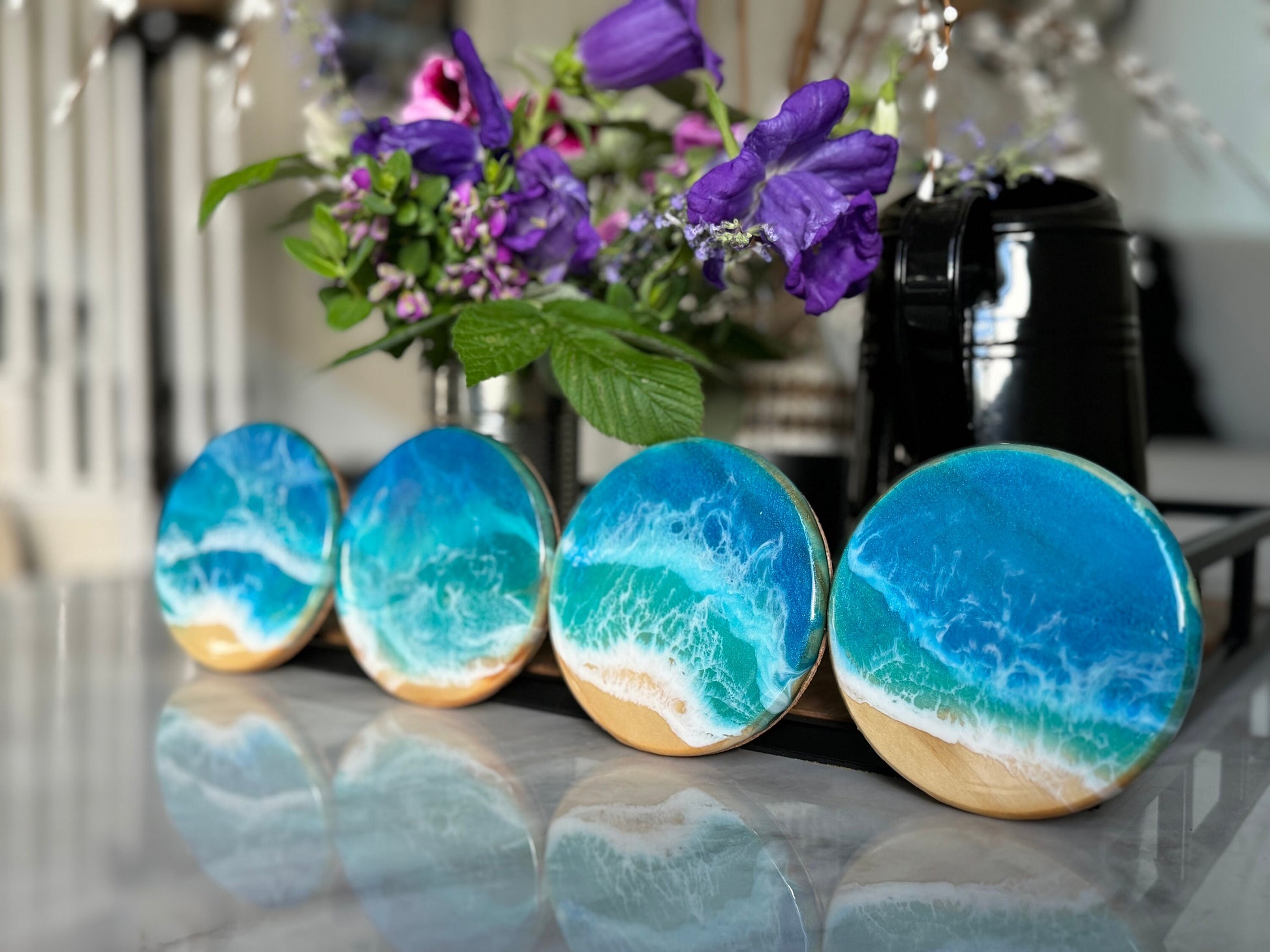
Modern silicone designs are flexible and easy to clean. Resin pieces allow creative patterns—think ocean waves or abstract swirls.
How to Choose the Right Coasters
Selecting coasters isn’t random. Consider these factors carefully:
1. Surface Protection Needs
If you own antique wood furniture, prioritize absorbent materials like ceramic or cork.
2. Interior Style
Minimalist spaces benefit from monochrome marble. Bohemian homes may prefer patterned ceramic.
3. Usage Frequency
For daily coffee drinkers, durability and easy cleaning matter more than aesthetics.
4. Size and Shape
Standard diameter ranges between 3.5–4 inches. Larger mugs may require oversized versions.
5. Non-Slip Backing
Rubber or cork backing prevents sliding and protects glass tables.
Coasters in Interior Design Trends
Interior designers increasingly treat coasters as styling elements. On Instagram and Pinterest, you’ll notice curated coffee table layouts featuring:
- A stack of books
- A candle
- A small plant
- Coordinated coasters
That said, design trends shift quickly. Currently, popular themes include:
- Neutral stone palettes
- Handmade artisan ceramics
- Sustainable bamboo options
- Geometric resin art
DIY and Custom Coasters
One reason coasters remain popular is their creative potential. DIY enthusiasts use resin molds, pressed flowers, photographs, and even fabric to craft personalized sets.
Custom engraving has also become a strong gifting trend. Weddings, housewarmings, and corporate events often feature personalized designs with names or logos.
In fact, Etsy reports consistent growth in home accessory searches, particularly customizable drink accessories. The emotional value of handmade items continues to drive this demand.
Care and Maintenance Guide
Proper maintenance extends the lifespan of coasters significantly.
Cleaning Tips
- Marble: Wipe with damp cloth, avoid acidic cleaners.
- Wood: Use mild soap, dry immediately.
- Ceramic: Most are dishwasher safe, but check manufacturer instructions.
- Cork: Spot clean only.
Storage Advice
Stack neatly in holders to prevent chipping. Keep away from prolonged direct sunlight to avoid fading.
Personal Background: The Designers Behind the Trend
The transformation of coasters from functional protectors to style statements didn’t happen overnight. Many independent designers and small-batch artisans contributed to this evolution.
Entrepreneurs in the handmade decor industry often start small—selling at local markets or online platforms. Some expand into lifestyle brands generating six-figure annual revenues.
For example, several top Etsy sellers in home decor niches reportedly earn between $100,000 to $500,000 annually, depending on volume and branding. Their journey usually begins with a passion for craft, transitions into social media marketing, and eventually scales into full-fledged home accessory businesses.
What’s inspiring is that these creators prove even everyday items can build financial success when combined with creativity and smart branding.
Frequently Asked Questions
Are coasters really necessary?
Yes. They protect surfaces from water rings, stains, and heat damage, especially on wooden furniture.
What material is best for coasters?
Ceramic and cork are excellent for absorption, while marble offers durability and luxury appeal.
How many coasters should a household have?
A standard set includes 4–6 pieces. Larger households or frequent hosts may need 8–12.
Can coasters be decorative?
Absolutely. Many people coordinate them with table runners, placemats, and candle holders.
Do coasters prevent heat damage?
Yes, particularly stone and ceramic materials that resist high temperatures.
Are wooden coasters waterproof?
Only if sealed properly. Unsealed wood can absorb moisture and stain.
How do I clean marble coasters?
Use a soft damp cloth and avoid acidic solutions like vinegar.
Are custom coasters good gifts?
Yes, personalized designs are popular for weddings, housewarmings, and corporate events.
Conclusion
In the end, coasters are small but powerful. They protect your furniture, elevate your decor, and even reflect your personality. Whether you prefer rustic wood, sleek marble, or playful resin art, the right choice makes a difference.
Sometimes, it’s the smallest details that leave the strongest impression. And when guests set down their drinks without hesitation—no fear of stains or scratches—you’ll know you made the right call.