
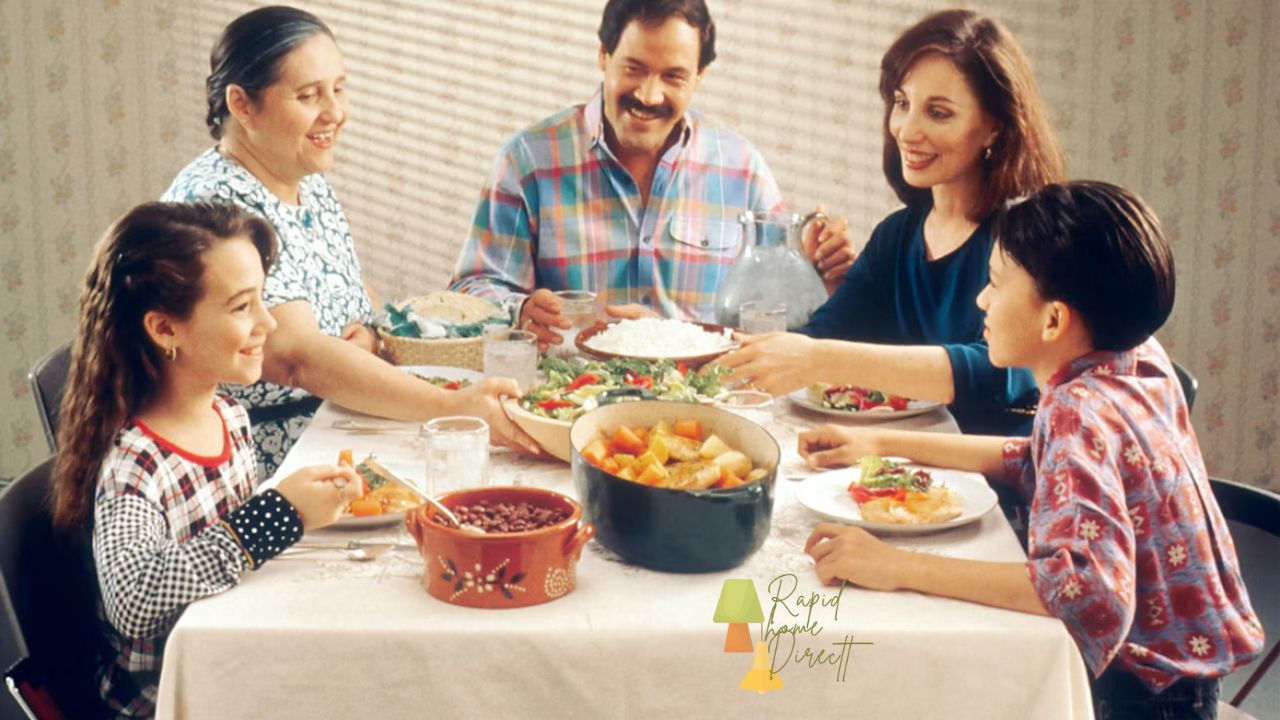
Welcome to the ultimate resource for transforming your family life. Finding effective whatutalkingboutfamily tips can feel like searching for a hidden treasure, but it’s the key to unlocking a home filled with joy, respect, and deep connection. Many families struggle with communication breakdowns and daily friction, but you don’t have to. The journey to a more harmonious household starts right here.
These aren’t just abstract ideas; they are practical, actionable strategies designed to improve your family dynamics significantly. By embracing these principles, you can build a foundation of trust and understanding that will last a lifetime. This guide is packed with powerful whatutalkingboutfamily tips to help you navigate the beautiful, chaotic, and rewarding adventure of family.
Quick Guide to Family Harmony
| Key Tip Area | Core Principle | Expected Benefit |
|---|---|---|
| Communication | Listen to understand, not just to reply. | Reduces misunderstandings and conflict. |
| Connection | Prioritize quality time, free from distractions. | Strengthens emotional bonds and trust. |
| Conflict Resolution | Address disagreements calmly and respectfully. | Teaches valuable life skills and prevents resentment. |
| Consistency | Establish and maintain clear rules and routines. | Creates a stable and predictable environment. |
The Heart of the Matter: Why Communication Is Everything
At the core of every strong family is the ability to communicate openly and honestly. It sounds simple, yet it’s often the biggest hurdle. Effective communication isn’t just about talking; it’s about creating a safe space where every family member, from the youngest child to the oldest adult, feels heard, valued, and understood.
Many of our communication habits are learned and, thankfully, can be unlearned and improved. The following sections will dive deep into specific whatutalkingboutfamily tips that focus on revolutionizing how you talk and listen to one another.
Active Listening: The Unspoken Superpower
One of the most transformative whatutalkingboutfamily tips is mastering the art of active listening. This means giving someone your full, undivided attention when they are speaking. It’s about hearing the words they say and understanding the emotions behind them.
How to Practice Active Listening
- Put Away Distractions: When a family member is talking to you, put your phone down, turn off the TV, and make eye contact. This simple act shows them they are your priority.
- Paraphrase and Clarify: Repeat back what you heard in your own words. You can say things like, “So, what I’m hearing is that you’re feeling frustrated about…” This confirms you’re understanding them correctly and gives them a chance to clarify.
- Validate Their Feelings: You don’t have to agree with them to acknowledge their emotions. Phrases like, “I can see why you would feel that way,” or “That sounds really difficult,” can make a world of difference. It tells them their feelings are legitimate.
Implementing these listening techniques is a game-changer. It shifts conversations from confrontational to collaborative, fostering an environment of mutual respect. This is one of the foundational whatutalkingboutfamily tips for a reason.
“I” Statements: Owning Your Feelings
Conflict is often escalated by blame. Phrases that start with “you” can immediately put someone on the defensive. “You always leave your mess everywhere,” or “You never listen to me,” are prime examples of accusatory language.
A powerful alternative is using “I” statements. This communication tool allows you to express your feelings and needs without attacking the other person. This is one of the most crucial whatutalkingboutfamily tips for de-escalating arguments.
Crafting the Perfect “I” Statement
The formula is simple: I feel [your emotion] when [the specific behavior] because [the impact it has on you].
- Instead of: “You’re so inconsiderate for being late!”
- Try: “I feel worried and disrespected when you arrive late without calling because it makes me think something bad happened.”
This approach invites empathy rather than defensiveness. It opens the door for a productive conversation about finding a solution, making it an essential skill in your collection of whatutalkingboutfamily tips.
Building Unbreakable Bonds: The Power of Connection
In our busy lives, it’s easy to live under the same roof but feel like ships passing in the night. Meaningful connection requires intentional effort. These whatutalkingboutfamily tips are designed to help you build and maintain strong emotional bonds.
Think of your family’s emotional connection as a bank account. Positive interactions are deposits, while negative ones are withdrawals. You want to make consistent deposits to ensure you have a healthy balance to draw from during tough times.
The Magic of Dedicated Family Time
Quality time is about presence, not just proximity. Spending hours in the same room while everyone is glued to their own screen doesn’t build connection. It’s the shared experiences and focused attention that count.
Ideas for Quality Connection
- Device-Free Dinners: Make it a rule that no phones or tablets are allowed at the dinner table. Use this time to talk about your day. Ask open-ended questions like, “What was the best part of your day?” or “What was something that challenged you today?”
- Weekly Family Fun Night: Dedicate one night a week to a family activity. This could be a board game night, a movie marathon with popcorn, or a creative project like building a puzzle together. The key is consistency.
- One-on-One “Dates”: Each parent can schedule regular one-on-one time with each child. It doesn’t have to be elaborate—a walk in the park, a trip for ice cream, or just 15 minutes of uninterrupted play can make a child feel incredibly special and seen. These individual moments are some of the most impactful whatutalkingboutfamily tips.
The Language of Appreciation
Families can easily fall into a pattern of only pointing out what’s wrong. To counteract this, make a conscious effort to express appreciation and gratitude. A culture of appreciation can radically improve the emotional climate in your home.
This practice is one of the simplest yet most effective whatutalkingboutfamily tips you can implement. It costs nothing but offers immense rewards in morale and goodwill.
How to Foster Appreciation
- Catch Them Being Good: Actively look for positive behaviors and praise them. “I really appreciate you clearing your plate without being asked,” is far more effective than only nagging when they don’t.
- Start a Gratitude Jar: Keep a jar and some small pieces of paper in a central location. Encourage everyone to write down things they are thankful for, including things they appreciate about each other. Read them aloud once a week.
- Say “Thank You” for the Little Things: Don’t take everyday contributions for granted. Thank your partner for making coffee, thank your child for their help, and thank your teen for their patience.
Navigating Conflict: Turning Arguments into Opportunities
Conflict is an unavoidable part of any relationship, including family. The goal isn’t to eliminate disagreements but to learn how to handle them constructively. Healthy conflict resolution skills are some of the most valuable whatutalkingboutfamily tips you can teach your children.
When managed well, conflicts can actually strengthen relationships by bringing issues to the surface and fostering a deeper understanding of one another’s needs and perspectives.
Establishing Rules for Fair Fighting
Arguing is emotional, and it’s easy for things to spiral out of control. Setting ground rules for disagreements ensures that discussions remain respectful and productive.
Fair Fighting Rules
- No Name-Calling or Insults: Personal attacks are off-limits. Focus on the issue, not the person.
- No Yelling: Raising your voice escalates tension and makes it harder for anyone to listen. Agree to speak in calm tones.
- Take a Timeout: If things get too heated, anyone can call for a break. Agree to a specific time (e.g., 20 minutes) to cool down and reconvene.
- No “Always” or “Never”: These absolute statements are rarely true and serve only to inflame the situation. Stick to the specific incident you’re discussing.
- Focus on Finding a Solution: The goal of the discussion should be to resolve the problem, not to “win” the argument.
These rules provide a framework for safety during disagreements, making it one of the most critical sets of whatutalkingboutfamily tips for long-term harmony.
The Family Meeting: A Forum for Solutions
A regularly scheduled family meeting is a proactive strategy for addressing issues before they become major blow-ups. It provides a dedicated time and place for everyone to voice concerns, celebrate successes, and collaborate on family plans.
This is one of the top-tier whatutalkingboutfamily tips for creating a democratic and organized family culture.
How to Run an Effective Family Meeting
- Set a Regular Time: Choose a time each week when everyone can attend, like Sunday evening. Keep it consistent.
- Create an Agenda: Have a notebook or whiteboard where family members can add topics they want to discuss throughout the week.
s - Rotate Leadership: Let different family members, including children (with guidance), take turns leading the meeting. This promotes ownership and engagement.
- Start with Positives: Begin each meeting by sharing compliments or appreciations. This sets a positive tone.
- End with Fun: Conclude the meeting with planning a fun family activity or enjoying a special treat. This ensures everyone looks forward to it.
The family meeting transforms problem-solving from a source of stress into a collaborative team effort, a truly valuable outcome from these whatutalkingboutfamily tips.
Structure and Consistency: The Foundation of a Calm Home
Children—and adults, for that matter—thrive on routine and predictability. A consistent structure reduces anxiety and power struggles because everyone knows what to expect. Establishing clear rules and routines is one of the most practical whatutalkingboutfamily tips.
This doesn’t mean your home needs to run with military precision. It’s about creating a predictable rhythm for your days that provides a sense of security and order.
The Importance of Routines
Routines are particularly crucial for mornings, after school, and bedtime, as these are often the most hectic times of the day.
Creating Effective Routines
- Collaborate on the Creation: Involve your children in creating their routines. When they have a say, they are more likely to buy into the plan.
- Use Visual Aids: For younger children, create a chart with pictures illustrating each step of their routine (e.g., brush teeth, put on pajamas, read a book).
- Be Consistent: The key to making a routine stick is consistency. It may take a few weeks, but eventually, the routine will become second nature, reducing the need for constant reminders and nagging.
These are whatutalkingboutfamily tips that pay dividends in peace and saved time.
Setting and Enforcing Boundaries
Clear, consistent boundaries are an expression of love. They teach children self-control and respect for others. The challenge for many parents is not setting the rules, but enforcing them consistently.
Inconsistent enforcement sends a mixed message and encourages children to test the limits. These whatutalkingboutfamily tips on boundaries are about being firm but fair.
Tips for Effective Boundaries
- Keep Rules Simple and Clear: Children should be able to understand and repeat the family rules. Focus on a few important ones rather than having a long list of regulations.
- State Consequences in Advance: Consequences for breaking rules should be logical, related to the behavior, and known ahead of time. For example, “If you don’t finish your homework, you can’t have screen time.”
- Follow Through Every Time: This is the hardest but most important part. If you state a consequence, you must follow through. This consistency is what builds respect for the rules. It’s a cornerstone of effective whatutalkingboutfamily tips.
What Users Are Saying: Reviews and Ratings
Many families have found incredible success by implementing these types of strategies. Across parenting forums and social media, the feedback is overwhelmingly positive.
- Review by Sarah M., mother of two: “Implementing the ‘I’ statements was a total game-changer for us. The arguments with my teenager have become actual conversations. These whatutalkingboutfamily tips are gold. Rating: 5/5“
- Review by David P., father of three: “We started weekly family meetings a month ago. The amount of complaining has gone down, and the kids are actually helping find solutions to problems. I was skeptical, but it works! Rating: 4.5/5“
- Review by The Rodriguez Family: “The device-free dinner rule was tough at first, but now it’s our favorite part of the day. We’re learning so much about each other. It’s one of the best whatutalkingboutfamily tips we’ve tried. Rating: 5/5“
These real-world examples highlight the profound impact that a dedicated focus on communication and connection can have.
Understanding the “Whatutalkingboutfamily” Creator: A Personal Perspective
The “What U Talking Bout Family” concept, while not linked to a single public figure with a verifiable net worth, emerged from a grassroots movement of family therapists, child psychologists, and everyday parents. It represents a collective wisdom gathered from decades of professional practice and lived experience.
The philosophy’s origin lies in the work of family systems theory, which views the family as an interconnected emotional unit. The “brand” is more of a community-driven ethos than a commercial enterprise. Its value isn’t measured in dollars but in the countless families it has helped. The creators are people who believe passionately that with the right tools, any family can build a more loving and supportive environment. This guide is a distillation of those powerful whatutalkingboutfamily tips.
Putting It All Together: A Holistic Approach
Adopting these whatutalkingboutfamily tips is not about a quick fix. It’s a commitment to a new way of interacting, a cultural shift within your home. It requires patience, persistence, and a willingness to be vulnerable with the people you love most.
Start small. Pick one or two strategies from this guide that resonate with you the most. Perhaps it’s introducing device-free dinners or practicing “I” statements. Master those before adding more.
Remember that you are modeling these behaviors for your children. When they see you communicating respectfully, listening intently, and apologizing when you’re wrong, they are learning invaluable lessons for their own future relationships. Every effort you make is an investment in your family’s long-term happiness and well-being. These are more than just whatutalkingboutfamily tips; they are the building blocks of a beautiful life together.
Frequently Asked Questions (FAQs)
Q1: What if my partner isn’t on board with trying these tips?
This is a common challenge. The best approach is to lead by example. Start implementing the whatutalkingboutfamily tips in your own interactions. When your partner sees the positive changes in your communication and in the children’s behavior, they may become more open to trying them. Frame it as a team effort to make home life better for everyone.
Q2: My kids are teenagers. Is it too late to start?
Absolutely not! It’s never too late to improve family dynamics. While teenagers might be more resistant to change initially, they also have a greater capacity to understand the reasoning behind these strategies. Be open and honest with them. You could say, “I know we haven’t always been the best at communicating, and I want to change that. I’ve been learning about some whatutalkingboutfamily tips, and I’d love for us to try them together.”
Q3: We’re so busy. How can we find the time for family meetings and one-on-one dates?
It’s a matter of prioritization. Look at your family’s schedule and identify where you can carve out small pockets of time. A family meeting can be just 20-30 minutes a week. One-on-one time can be as simple as a 15-minute walk after dinner. The return on this time investment is immense. These whatutalkingboutfamily tips are about making the time you have together more meaningful.
Q4: What’s the single most important tip to start with?
If you can only start with one thing, focus on active listening. Truly hearing and validating your family members’ feelings can resolve and prevent countless conflicts. It’s the foundation upon which all other communication skills are built and one of the most powerful whatutalkingboutfamily tips.
Q5: What if we try these tips and still struggle?
That’s okay. Every family is different, and some challenges are more deeply rooted. If you’ve consistently applied these whatutalkingboutfamily tips and are still facing significant struggles, it may be a good time to seek professional help. A family therapist can provide personalized guidance and support to help you navigate your specific issues. Seeking help is a sign of strength, not failure.
Admin Recommendation
Transform Your Home with rapidhomedirect.com Home Exterior Services
Is RapidHomeFDirect.com Your Key to a Dream Home? An In-Depth